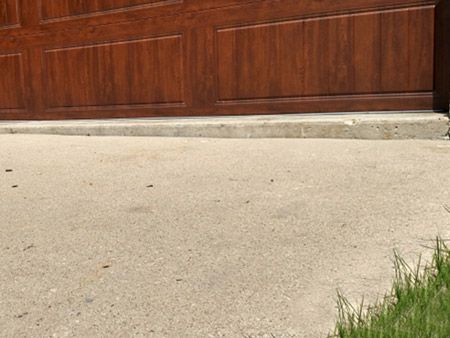
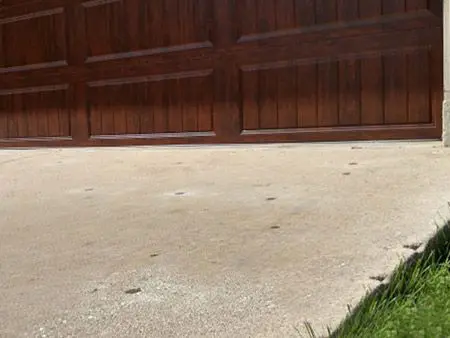
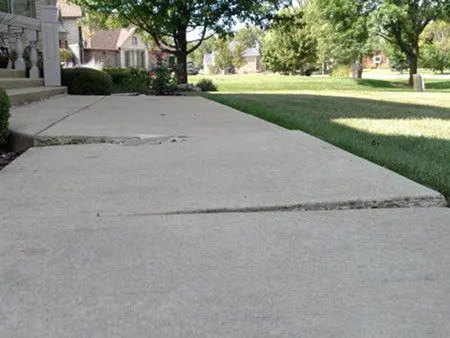
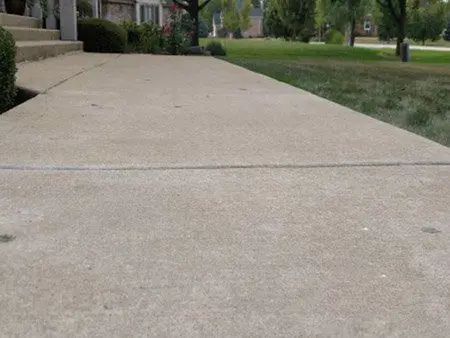
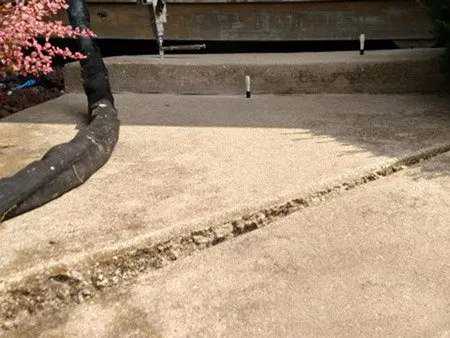
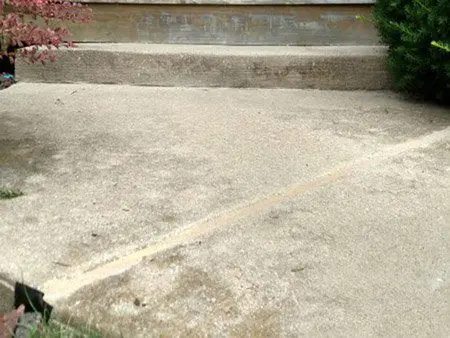
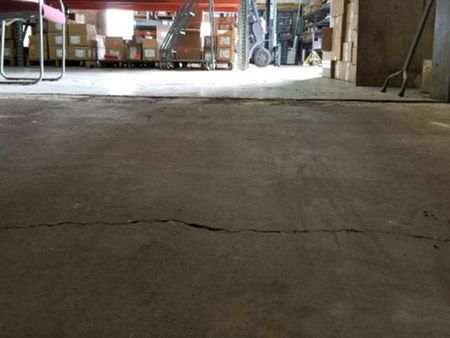
A dropped driveway panel or sidewalk edge can turn a familiar route into a rough transition. Polyurethane concrete raising restores support beneath many intact Streamwood slabs.
Correct Settlement Without Replacing Sound Concrete
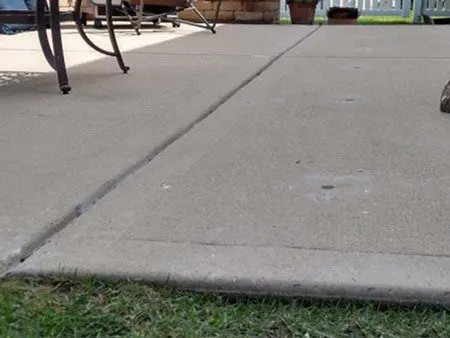
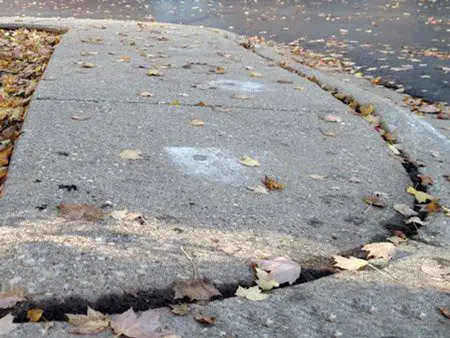
Streamwood is a compact suburban community with established neighborhoods, busy residential flatwork, local paths, and abundant nearby open space. Driveways, front walks, patios, and garage approaches can settle where soil consolidates or runoff reaches slab edges. The concrete may still be usable even when its elevation is not.
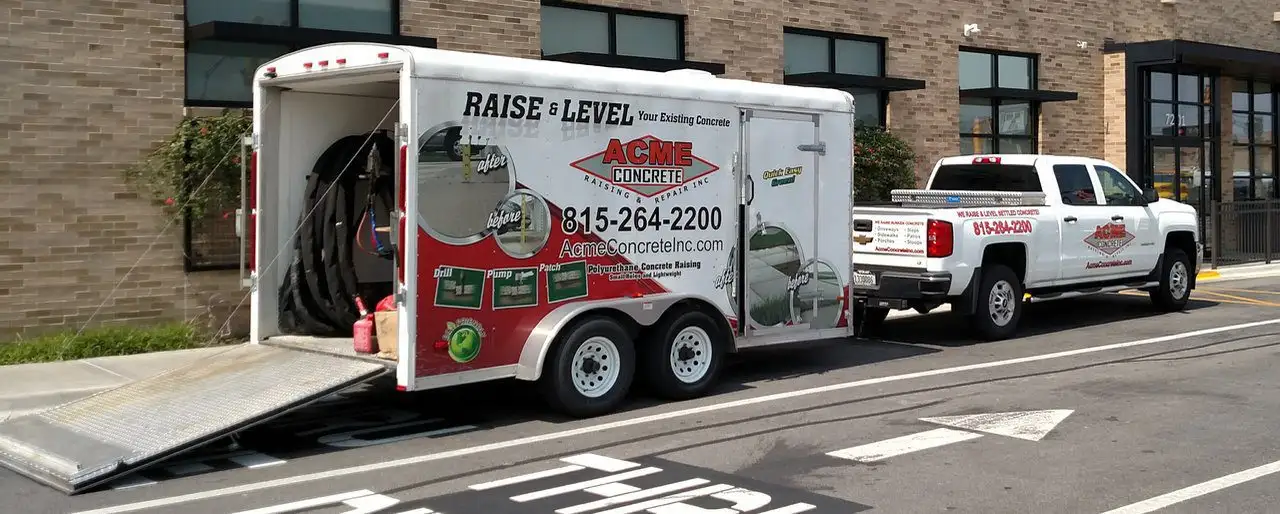
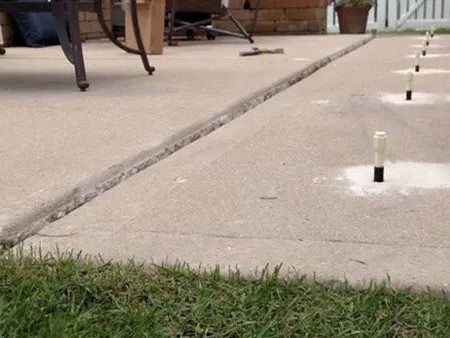
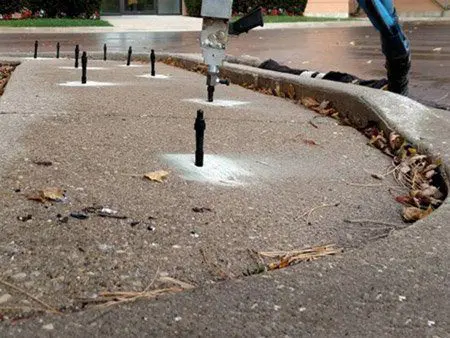
We evaluate the panel, cracks, joints, neighboring slabs, fixed thresholds, and drainage before drilling small access holes. Expanding foam fills the void and raises the concrete gradually. Explore our polyurethane slab raising process to understand how it limits demolition and added material weight.
Driveway panels must align with garage floors, entry walks need safe transitions at steps, and patios should work with the surrounding grade. We plan each lift around these practical constraints. Severely broken concrete or slabs with structural problems may still be better candidates for replacement.
The Estimate Guard Promise: Best Price. Best Warranty. Guaranteed. With Acme’s Estimate Guard, you never have to worry about overpaying for professional concrete raising. We guarantee a better price and a better warranty than any competitor—so you get the best overall value every time. It’s our commitment to fair pricing, quality workmanship, and long-lasting results.
Frequently Asked Questions
What Streamwood concrete can usually be raised?
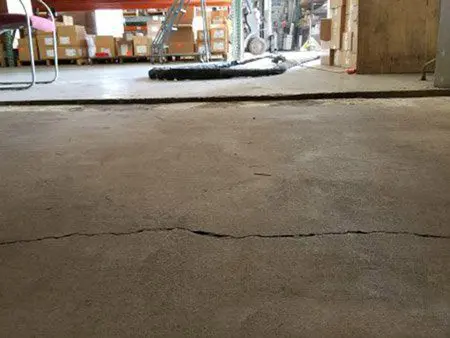
Settled driveways, sidewalks, patios, garage floors, and similar slabs may be candidates when the concrete remains structurally sound. Widespread crumbling or severe cracking can make replacement more appropriate.
How does polyurethane lift a slab?
The material is injected through small holes below the concrete. It expands to fill empty space and applies controlled lifting pressure while adding less weight than traditional cement-based fill.
Can you raise a sidewalk next to a fixed step?
Often, but the step, door threshold, connected panels, cracks, and drainage determine the available movement. The goal is practical improvement without forcing the slab against a fixed structure.
Will raising solve runoff from the entire yard?
No. It can improve a low slab and local pitch, but broader grading, downspout, or drainage problems may need separate correction. Water should be directed away from vulnerable slab edges where practical.
What happens to joints after the concrete moves?
Joint widths and crack alignment can change during lifting. Caulking or crack sealing is typically evaluated after the slab reaches its final position so the corrected openings can be prepared properly.