Long Grove contains the headwaters of Buffalo Creek and branches of Indian Creek, along with wetlands, ponds, and natural drainage corridors. Where a concrete wall or constructed shoreline holds back soil, water can carry fine material through open joints and hidden gaps, leaving unsupported areas behind the structure.
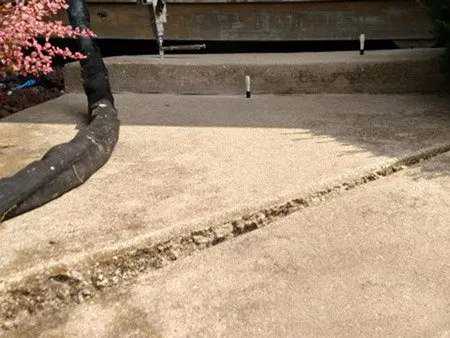
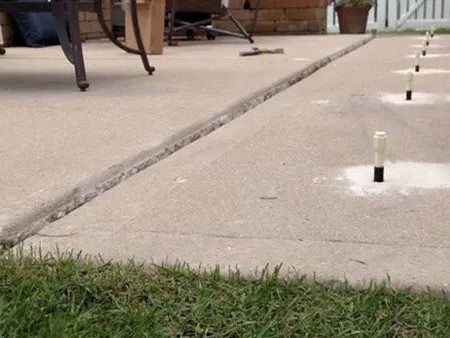
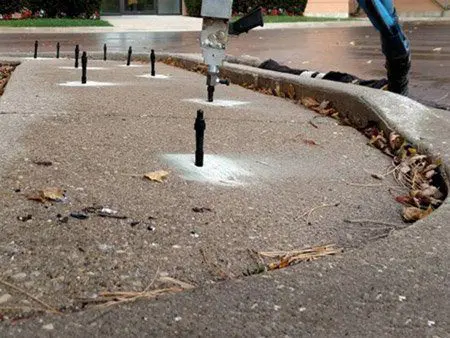
Acme evaluates wall movement, drainage, backfill loss, and accessible voids before recommending repair. When the existing structure is suitable, targeted polyurethane injection can fill empty space and help stabilize soil without excavating the entire landscaped edge.
Long Grove’s rolling terrain, wetland areas, and creek headwaters make water movement an important part of any shoreline repair. Pond walls and channel edges should be assessed together with grading and outlet conditions. Our seawall repair process focuses on the voids and erosion paths that can be reached safely.
The Estimate Guard Promise: Best Price. Best Warranty. Guaranteed. With Acme’s Estimate Guard, you never have to worry about overpaying for professional concrete raising. We guarantee a better price and a better warranty than any competitor—so you get the best overall value every time. It’s our commitment to fair pricing, quality workmanship, and long-lasting results.
Frequently Asked Questions
What types of shoreline walls can develop voids in Long Grove?
Concrete pond walls, channel edges, retaining sections, and other constructed water boundaries can lose backfill through joints or openings. The wall material, access, and extent of movement determine whether injection is appropriate.
What causes settlement behind a pond wall?
Fine soil may wash through a joint, beneath the wall, or around a pipe penetration. Repeated moisture movement gradually creates an empty space that can appear as a dip, soft area, or recurring hole behind the wall.
Can polyurethane repair a leaning seawall?
It can help fill voids and stabilize suitable backfill, but it is not a universal fix for a severely displaced or structurally failed wall. Those conditions may require engineering, reconstruction, or another specialty repair.
Will the repair disturb nearby landscaping?
Injection is designed to work through small access points, so disruption is often more limited than broad excavation. Actual access needs depend on the wall location, vegetation, utilities, and the area requiring treatment.
Should drainage be corrected before seawall repair?
Active drainage problems should be considered as part of the repair plan. Filling a void without addressing a continuing water path may allow erosion to return, so we identify visible contributing conditions during evaluation.