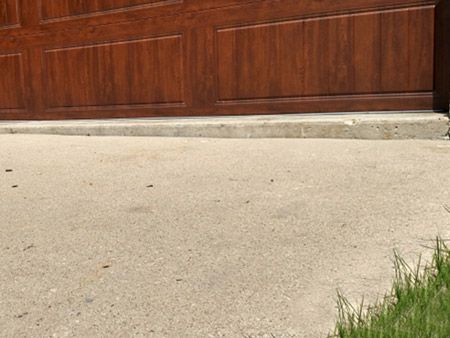
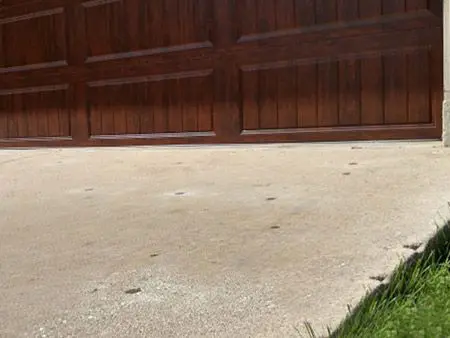
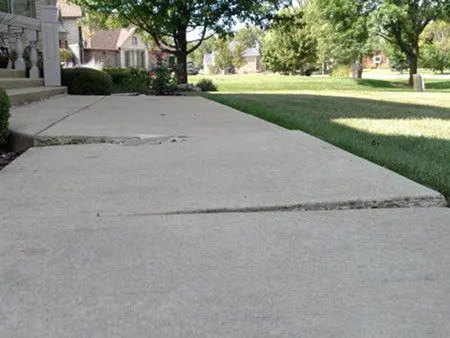
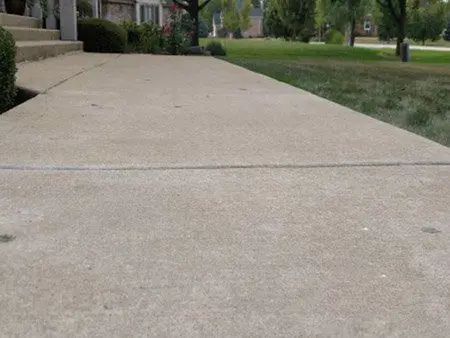
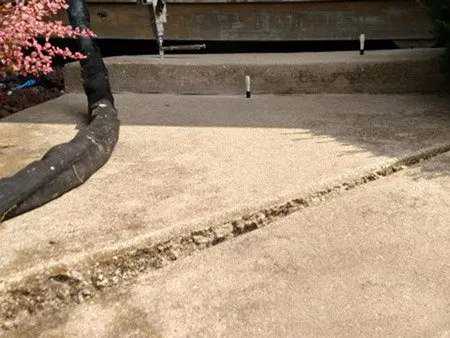
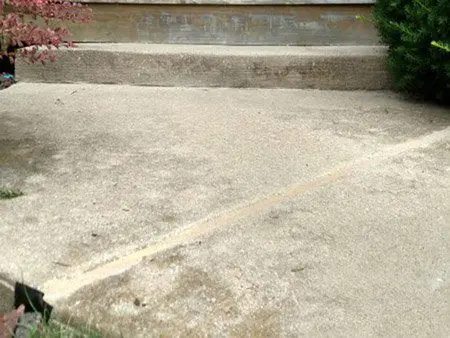
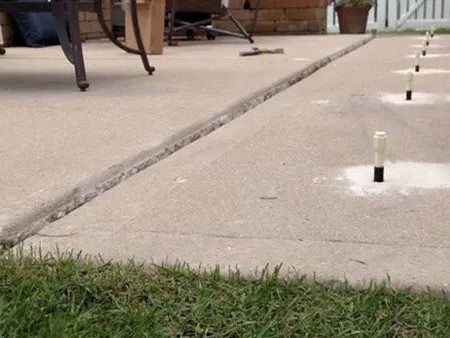
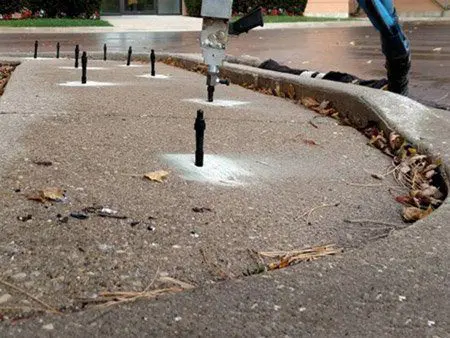
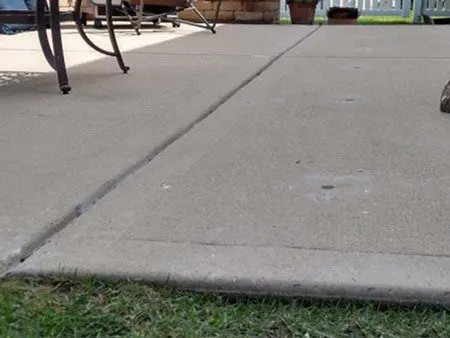
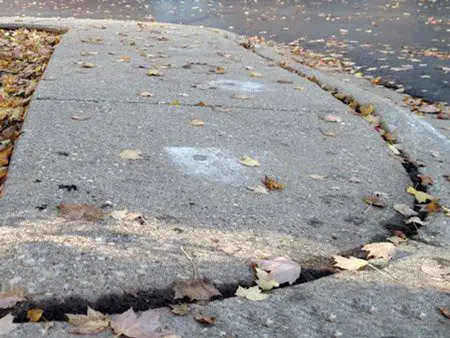
When soil migrates through a shoreline wall or drainage opening, the ground and concrete behind it may begin to settle. Polyurethane injection can restore support in selected voided areas.
Waterfront properties in and around Round Lake Heights often have compact yards, narrow access, and concrete close to the shoreline edge. A small opening can gradually carry backfill away, creating a low area behind the wall or leaving part of a walkway and patio unsupported.
Our evaluation begins with the visible wall, soil-loss pattern, adjacent slabs, surface runoff, and available equipment access. Foam is injected only where conditions indicate a suitable void or weak backfill zone. See how polyurethane supports eroded seawall backfill without opening the entire shoreline.
Targeted injection can fill accessible spaces and support settled flatwork, but it cannot rebuild deteriorated wall panels or correct every source of movement. Bowing, major cracking, failed anchors, and wall displacement call for structural evaluation. Drainage and the path of soil loss also need attention.
The Estimate Guard Promise: Best Price. Best Warranty. Guaranteed. With Acme’s Estimate Guard, you never have to worry about overpaying for professional concrete raising. We guarantee a better price and a better warranty than any competitor—so you get the best overall value every time. It’s our commitment to fair pricing, quality workmanship, and long-lasting results.
Frequently Asked Questions
Can a small depression behind the wall become a larger problem?
Yes. A depression may collect more runoff and continue directing water into the same void. Early evaluation can identify whether soil is still migrating and whether nearby concrete has lost support.
How is polyurethane installed behind a seawall?
Material is delivered through planned injection points into selected voids or weak backfill zones. Placement depends on wall construction, access, drainage openings, and the location of the observed settlement.
Will the process damage a small yard?
The method is designed for limited access, but crew and equipment routes are still required. Fences, landscaping, utilities, slopes, and docks are reviewed before scheduling.
What if the seawall is cracked or moving?
Minor surface defects and structural movement are different issues. A wall that is leaning, displaced, or significantly fractured may need engineering or reconstruction before void filling is considered.
How can future backfill loss be reduced?
Correct concentrated runoff where practical, maintain appropriate wall joints and drainage, and monitor gaps after storms or water-level changes. The right measures depend on the individual shoreline.