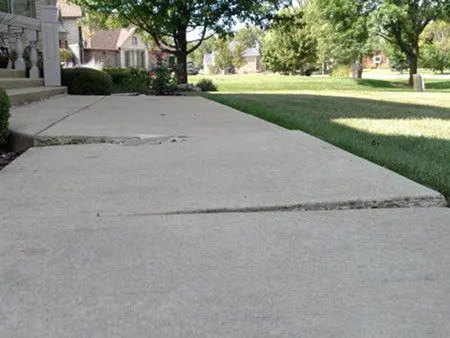
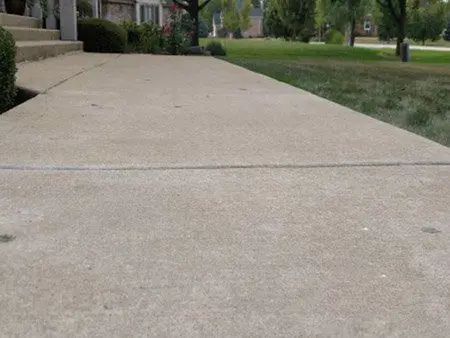
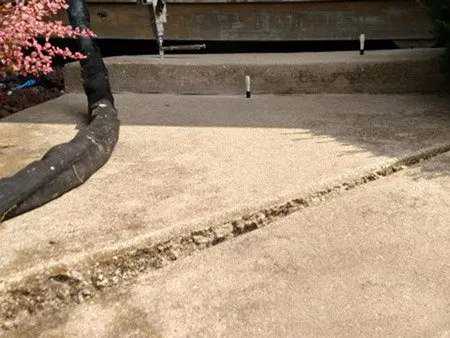
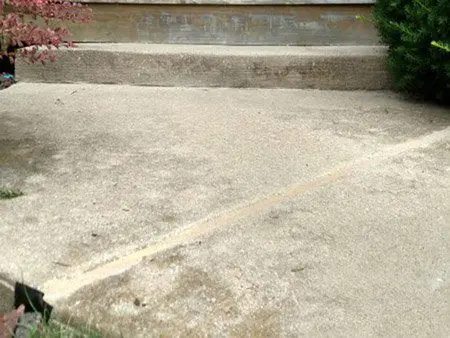
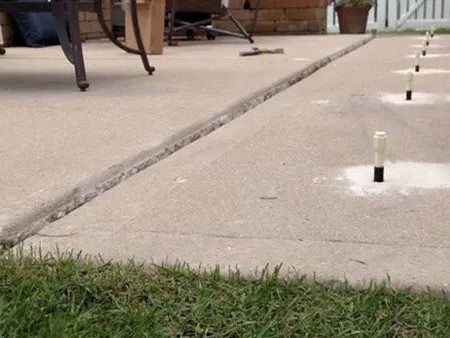
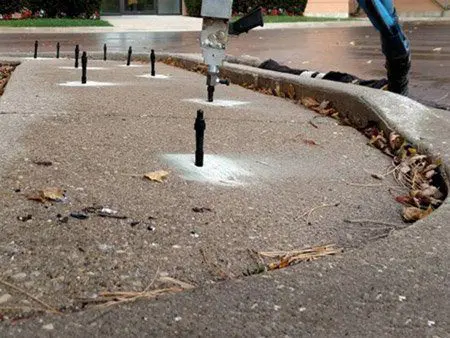
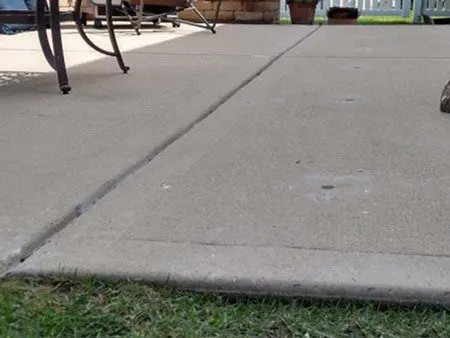
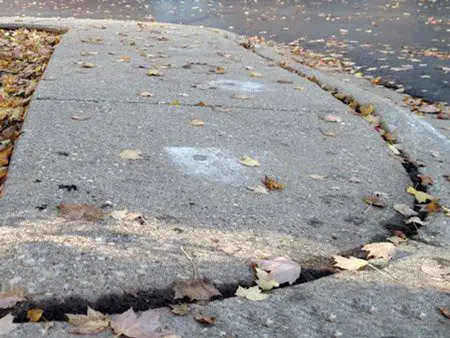
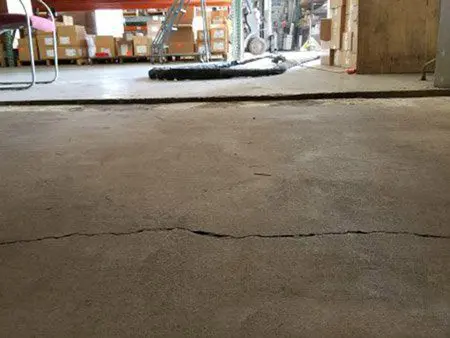
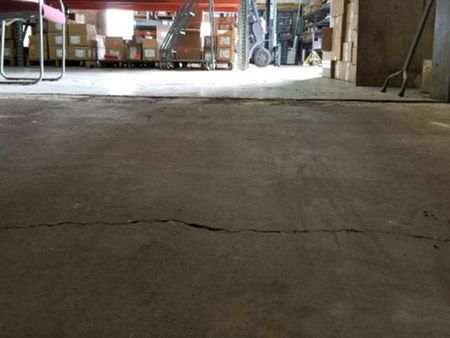
Treat deeper support loss beneath Hawthorn Woods concrete with controlled polyurethane injection. Stabilize weak zones while planning around slopes, landscaping, and drainage corridors.
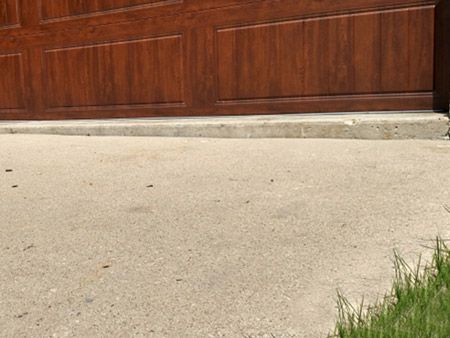
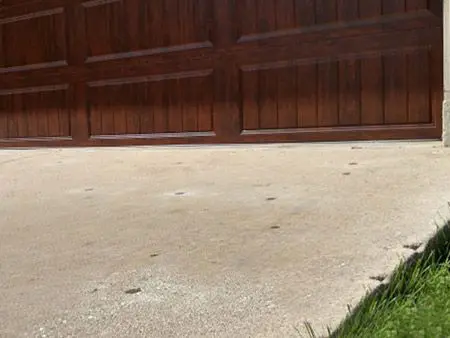
Hawthorn Woods properties often incorporate sloped yards, natural watercourses, swales, wetlands, and extensive landscaping. When runoff reaches disturbed fill or follows buried pathways, support loss may extend deeper than the immediate void beneath a driveway, patio, walk, or garage slab.
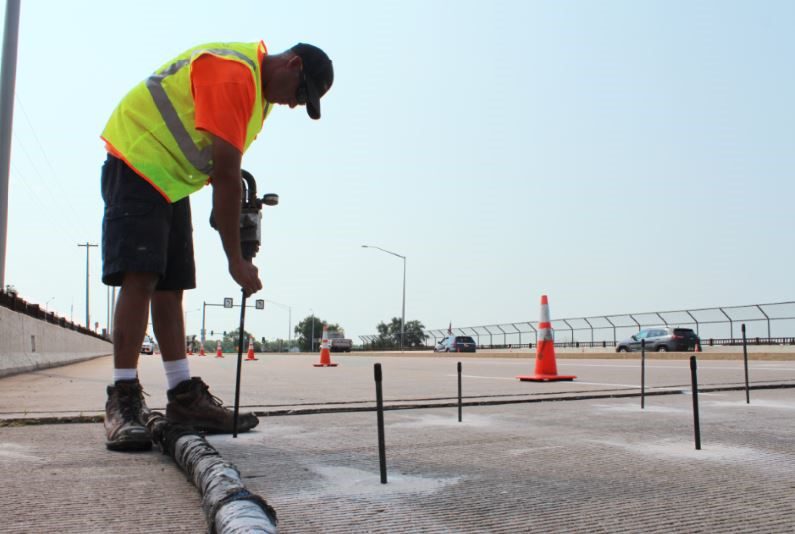
Our Deep Foamjection process targets weak material below standard slab-raising depth with expanding polyurethane. We review movement patterns, drainage evidence, structural connections, and access, then build an injection plan that can be adjusted as the soil and concrete respond.
Hawthorn Woods stabilization can require careful equipment positioning near mature plantings, long drives, retaining features, and drainage routes. We focus treatment on the identified weak zone, monitor nearby concrete, and avoid assuming that every settlement issue requires the same depth or volume of material.
The Estimate Guard Promise: Best Price. Best Warranty. Guaranteed. With Acme’s Estimate Guard, you never have to worry about overpaying for professional concrete raising. We guarantee a better price and a better warranty than any competitor—so you get the best overall value every time. It’s our commitment to fair pricing, quality workmanship, and long-lasting results.
Frequently Asked Questions
How is Deep Foamjection different from concrete raising in Hawthorn Woods?
Concrete raising primarily fills the void immediately below a slab and corrects elevation. Deep Foamjection reaches farther into weak soil when the support problem extends below that near-surface zone.
What site conditions can contribute to deeper support loss?
Concentrated runoff, buried drainage paths, consolidating fill, erosion, and changing soil moisture can all play a role. The cause and depth must be evaluated at the individual property.
Can deep injection be performed near mature landscaping?
Often, access can be planned with limited surface disturbance, but roots, irrigation, utilities, slopes, and equipment routes must be reviewed before injection points are selected.
Does Deep Foamjection always lift the slab?
The primary goal may be stabilization, lifting, or both. The planned outcome depends on slab condition, structural connections, available movement, and the response of the treated zone.
When is concrete replacement still necessary?
Replacement may be needed when the slab is severely cracked, deteriorated, improperly reinforced, or unable to move safely. Soil stabilization does not repair concrete that has structurally failed.