DEEP FOAMJECTION IN STREAMWOOD

Improve deeper support beneath settled concrete with targeted polyurethane injection for Streamwood homes and developed properties.
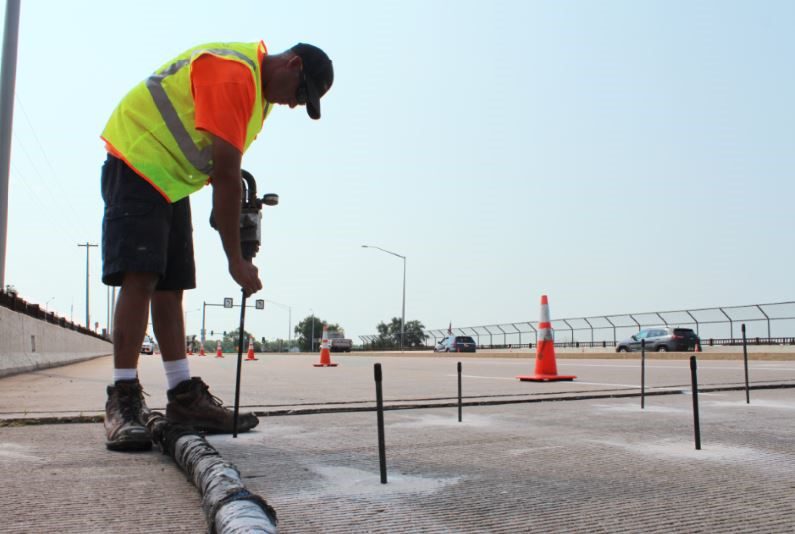
Highway worker

Deep Soil and Slab Stabilization in Streamwood

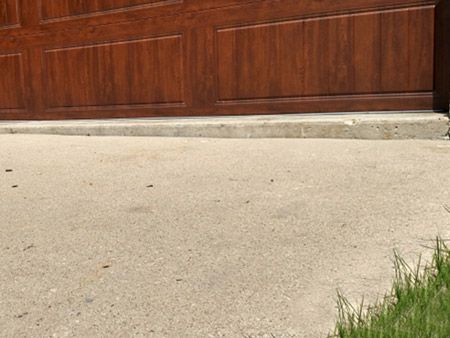
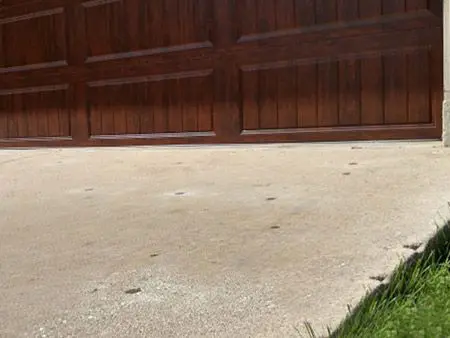
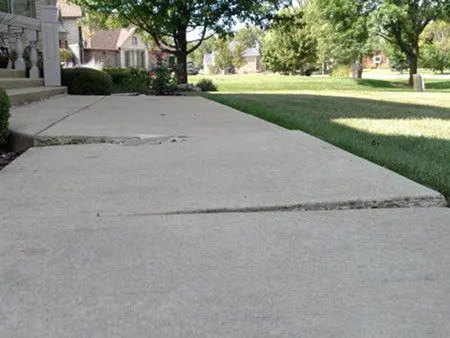
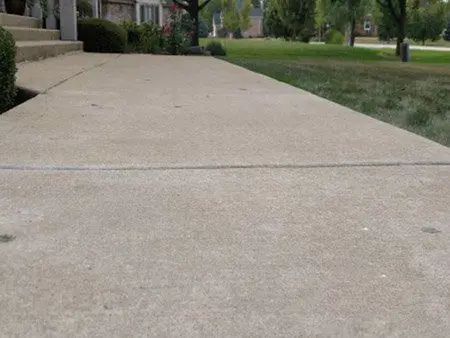
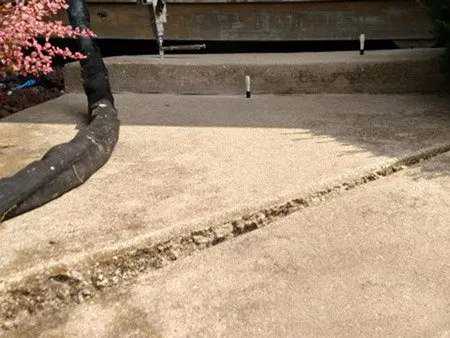
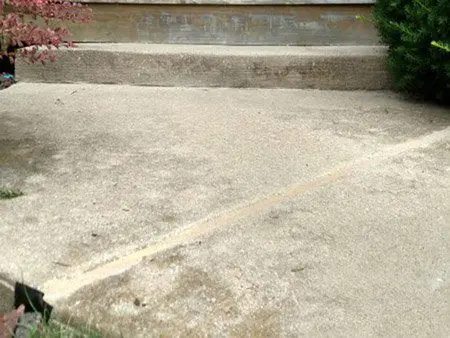
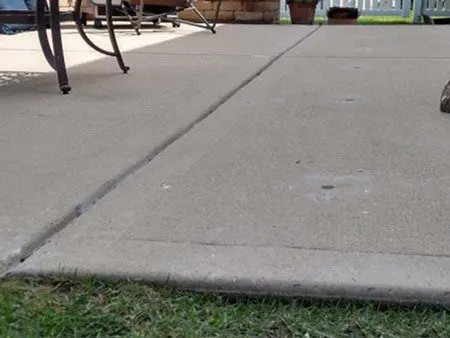
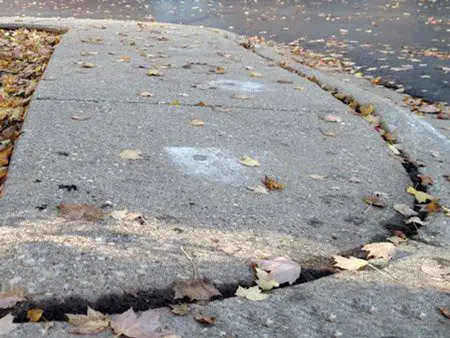
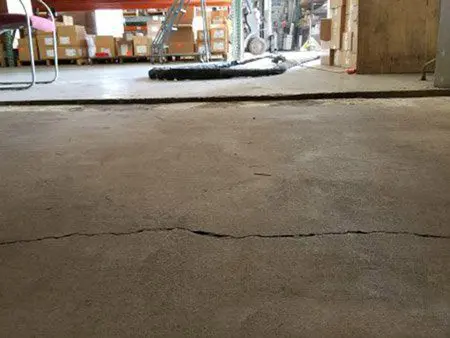
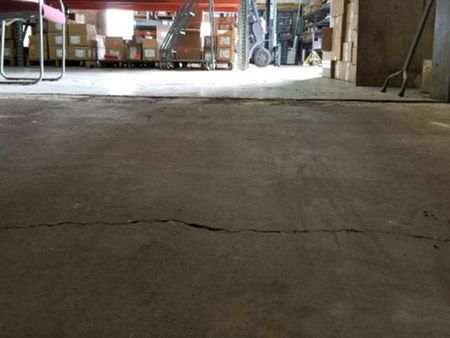
Streamwood concrete may cross subdivision fill, utility trenches, landscaped drainage, and transitions beside detention areas. When deeper soil consolidates or water moves fine material, driveways, walks, patios, and garage slabs can lose support beyond the immediate slab base. Acme reviews the movement pattern, cracks, grades, moisture routes, nearby structures, utilities, and access before recommending injection.
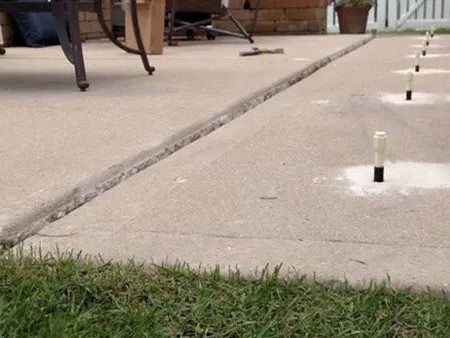
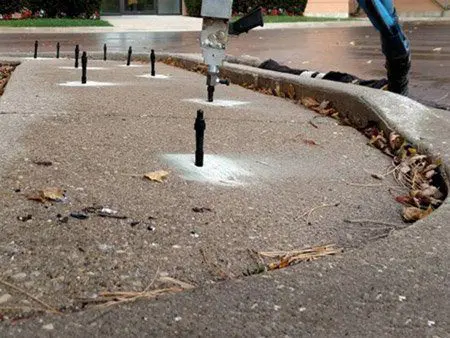
Deep Foamjection places expanding polyurethane through small ports at planned depths. In suitable conditions, it fills accessible voids, supports targeted weak zones, and may assist with controlled lifting. Injection spacing and sequence are adjusted as the slab responds, while drainage, severe cracking, and structural concerns are treated as separate needs.

Polyurethane Concrete Raising is All We Do!

Why Streamwood Settlement Needs Targeted Injection

Foamjection for Subdivision Fill and Drainage Routes

Streamwood driveways, walks, patios, and entry slabs may cross different fill depths or utility zones within one lot. Our Deep Foamjection service targets the support zone identified beneath suitable concrete.

Call today for a FREE Estimate!

The Estimate Guard Promise: Best Price. Best Warranty. Guaranteed. With Acme’s Estimate Guard, you never have to worry about overpaying for professional concrete raising. We guarantee a better price and a better warranty than any competitor—so you get the best overall value every time. It’s our commitment to fair pricing, quality workmanship, and long-lasting results.

Frequently Asked Questions

What signs suggest deeper support loss in Streamwood?

Recurring settlement, broad movement, hollow areas, edge washout, or slabs crossing filled or utility zones may justify deeper evaluation.
Potentially, but known utilities, trench location, slab condition, access, and settlement direction must be considered first.
No. It improves targeted support but does not correct grading, downspouts, detention systems, or active erosion.
In suitable conditions, material placement can fill voids, improve support, and assist with controlled lifting.
Severely fragmented concrete may not move as one unit and can be a better candidate for replacement.