DEEP FOAMJECTION IN ROUND LAKE HEIGHTS

Address deeper voids and weak supporting soils beneath suitable concrete where ordinary surface lifting may not solve the full problem.Lift sinking concrete and stabilize weak soil with expert Deep Foamjection in Round Lake Heights. Our expanding high density foam restores uneven slabs, fills underground voids, and reinforces the ground for long term durability.
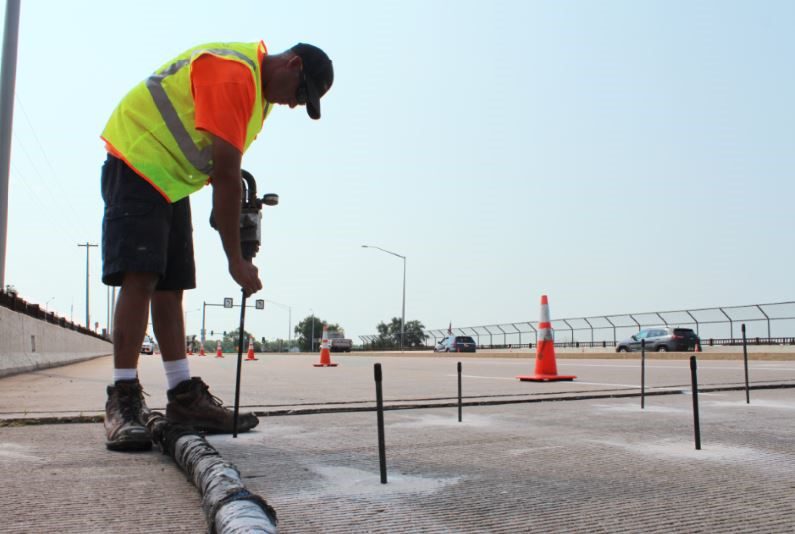
Highway worker

Deep Soil and Void Stabilization in Round Lake Heights

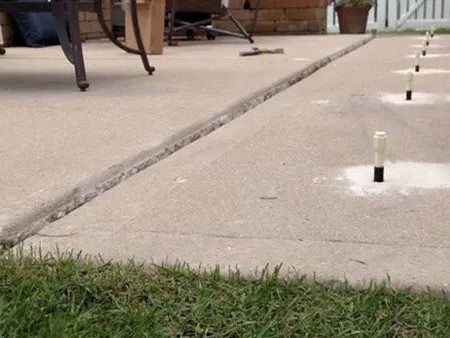
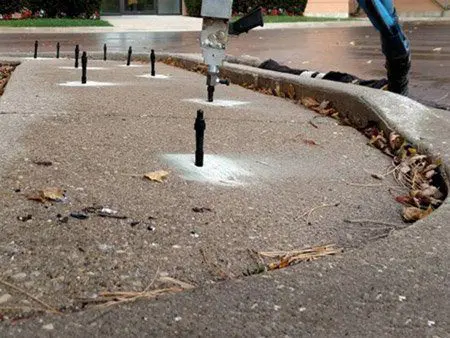
Closely spaced homes, utility routes, changing moisture, and disturbed fill can create support problems that extend below the immediate underside of a slab. When evaluation indicates a deeper weak zone, Deep Foamjection can deliver expanding material below the concrete to help fill voids and improve support.
The injection plan is based on slab movement, access, soil response, and the location of nearby structures or utilities. The objective is controlled support improvement, not unnecessary lifting or a one-size-fits-all volume of material.
Polyurethane Concrete Raising is All We Do!

Why Round Lake Heights Property Owners Choose Acme

Targeting Deep Support Problems on Compact Lots

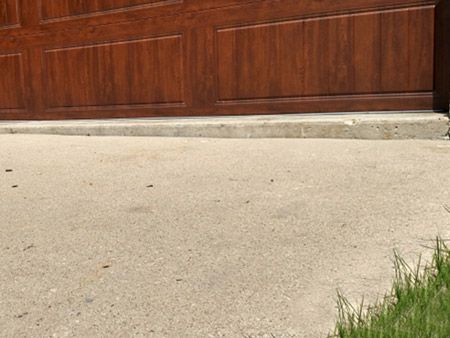
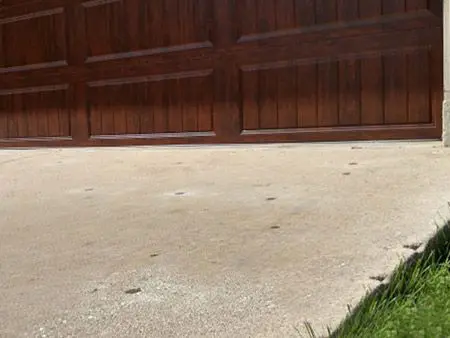
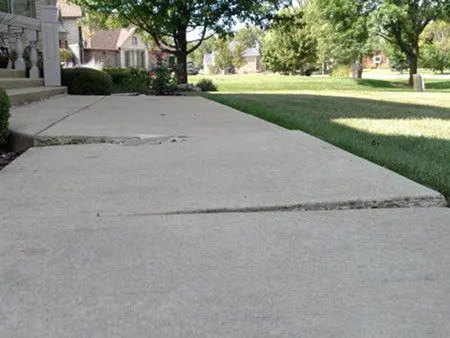
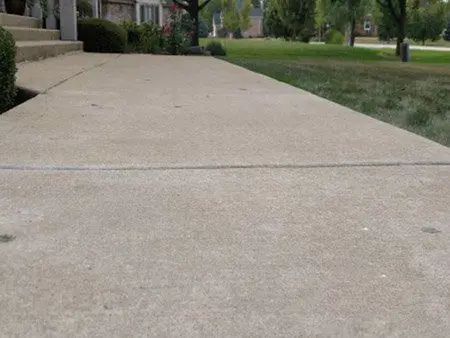
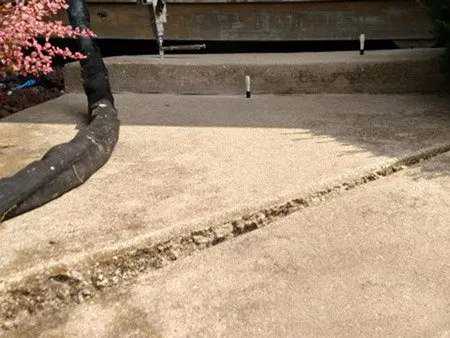
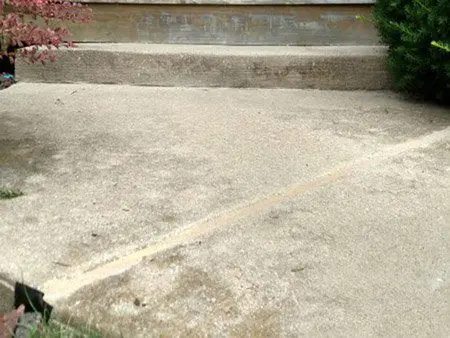
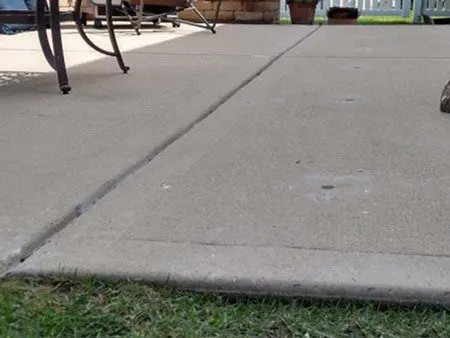
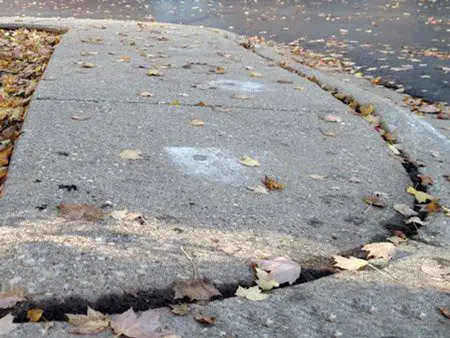
A low slab does not always mean the problem is directly beneath its surface. Our Deep Foamjection service is considered when voids, loosened fill, or weak soil appear to extend deeper around driveways, garage approaches, walks, or other concrete.

Call today for a FREE Estimate!

The Estimate Guard Promise: Best Price. Best Warranty. Guaranteed. With Acme’s Estimate Guard, you never have to worry about overpaying for professional concrete raising. We guarantee a better price and a better warranty than any competitor—so you get the best overall value every time. It’s our commitment to fair pricing, quality workmanship, and long-lasting results.

Frequently Asked Questions

How is Deep Foamjection different from concrete raising?

Concrete raising primarily repositions a settled slab. Deep Foamjection targets deeper voids or weak soil when the support issue extends below the slab interface.
No. Many slabs only need conventional raising, and some need replacement. Deep injection is recommended only when the observed conditions support it.
Material expansion can influence the slab, so placement is carefully monitored. The project goal may be stabilization, lifting, or a combination based on the plan.
Known utility routes, access limits, slab features, and surrounding structures are reviewed before injection points and depths are selected.
It can improve support, but it does not replace drainage correction. Active leaks, runoff, or erosion sources may need separate attention.