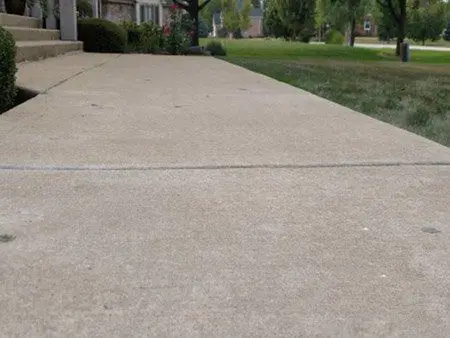
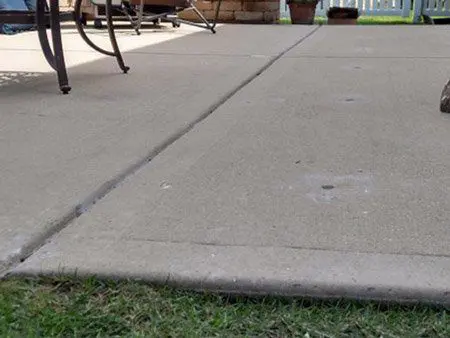
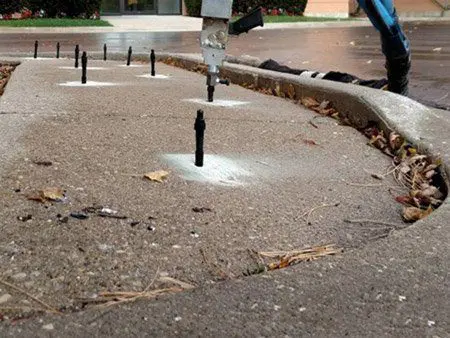
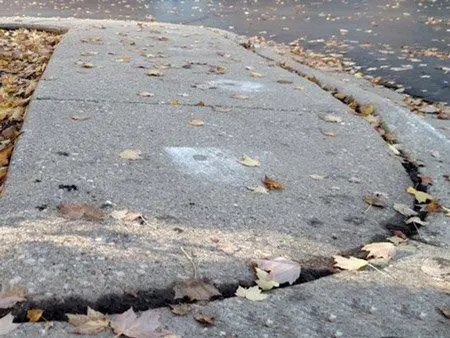
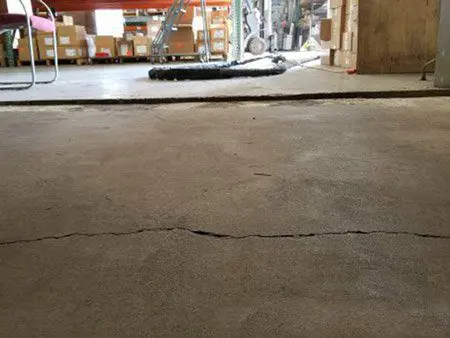
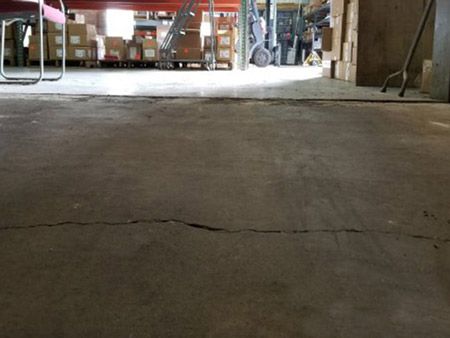
The Fox River Valley includes historic downtowns, riverfront neighborhoods, commercial districts, and residential properties set on terraces and changing grades. Rain and snowmelt can travel quickly across hard surfaces, and failed caulk gives that runoff a direct opening beneath driveways, walks, patios, and entries.
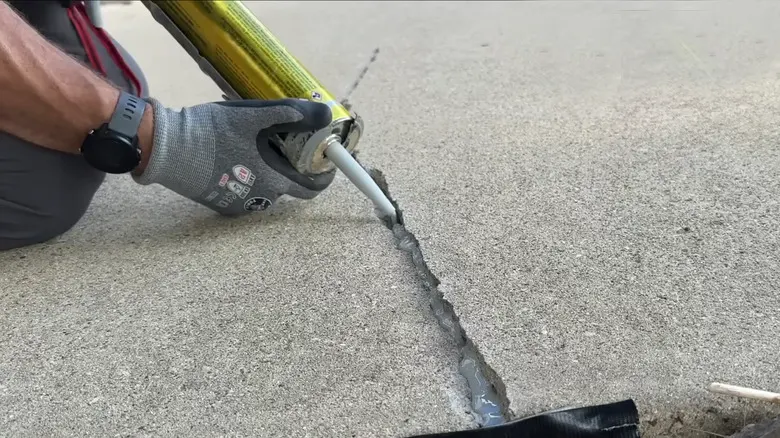
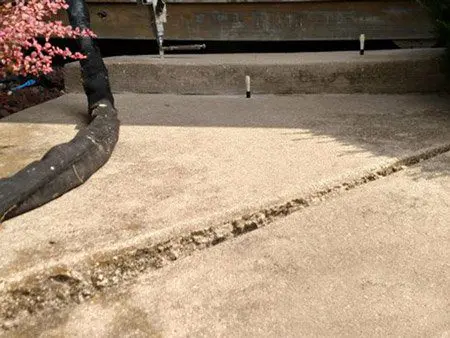
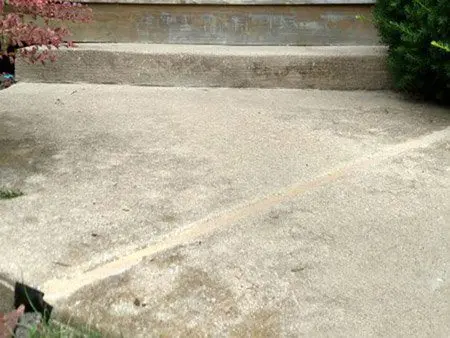
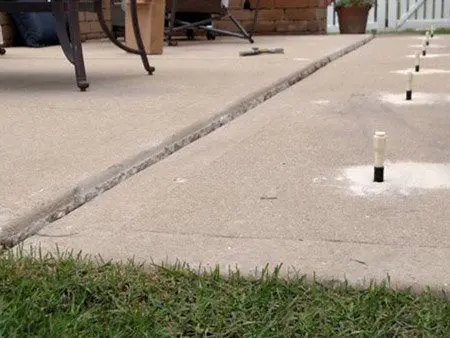
Acme installs flexible concrete joint sealant after removing loose material and preparing the gap. The finished joint helps direct water across the slab, blocks sediment, and accommodates normal seasonal expansion and contraction.
Floodplain edges, river terraces, tributary valleys, and neighborhood drainage systems create varied moisture conditions across the Fox River Valley. Caulking cannot replace site drainage, but it helps close seams where surface water and fine soil would otherwise reach the slab base.
The Estimate Guard Promise: Best Price. Best Warranty. Guaranteed. With Acme’s Estimate Guard, you never have to worry about overpaying for professional concrete raising. We guarantee a better price and a better warranty than any competitor—so you get the best overall value every time. It’s our commitment to fair pricing, quality workmanship, and long-lasting results.
Frequently Asked Questions
Is concrete caulking useful near the Fox River?
Yes. Sealing open joints can reduce water and debris entering beneath a slab in river-influenced areas. It does not replace flood protection, grading, drainage improvements, or shoreline maintenance.
Can you seal joints on sloped concrete?
Many sloped joints can be caulked successfully. We consider gap width, concrete condition, water direction, and how the sealant can be protected while it cures.
What happens to the old joint material?
Loose, hardened, or failed material is removed as needed. The gap is cleared and prepared so the replacement sealant bonds to sound joint walls rather than dirt, vegetation, or deteriorated filler.
Will the new sealant match aged concrete?
Available colors can blend well with many surfaces, but exact matching is not guaranteed because concrete changes tone with age, weather, repairs, and previous sealants. Performance and proper joint design come first.
Should a settled slab be lifted before caulking?
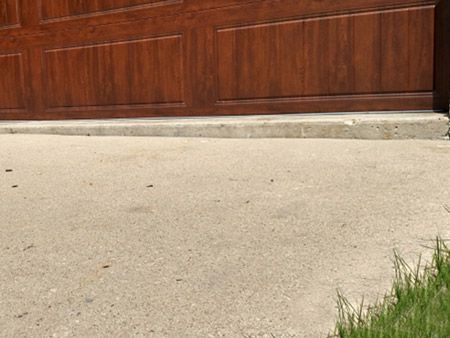
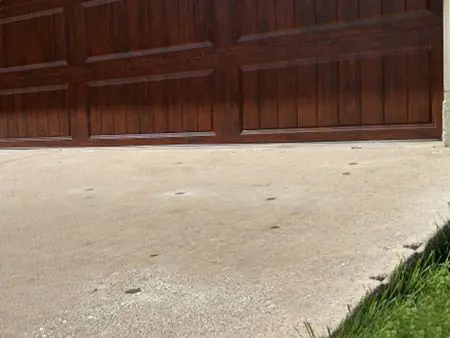
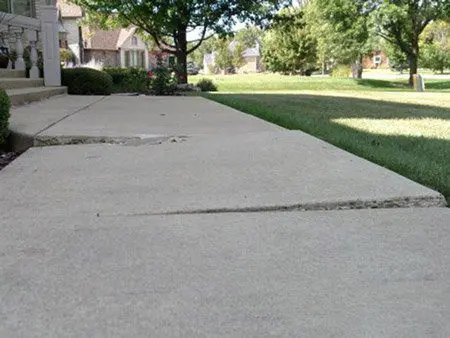
Usually. Lifting first corrects the panel position and creates a more stable joint alignment. The gap can then be sealed to limit future water and debris entry.