CONCRETE JOINT CAULKING IN MCCULLOM LAKE

Keep water, grit, and organic debris out of open concrete joints around McCullom Lake homes. Careful joint preparation and flexible sealant help driveways, walks, patios, and garage approaches accommodate seasonal movement with a cleaner, more protected edge.
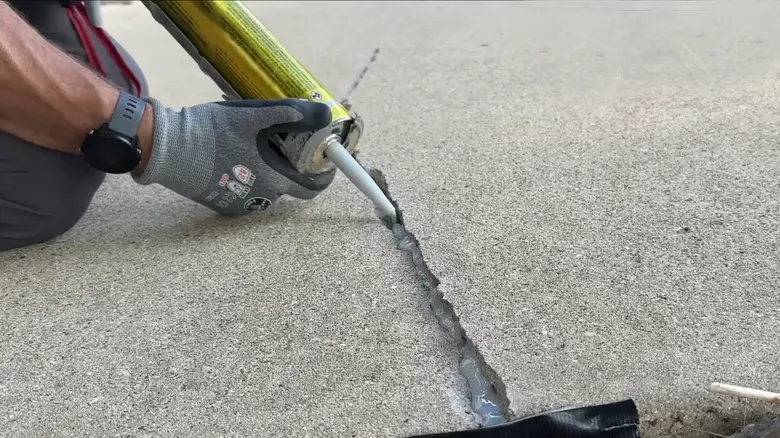
A person wearing gloves is applying sealant from a tube to fill a crack in a concrete surface, demonstrating professional Concrete Caulking in Prairie Grove.

Seal Joints Before Water and Debris Move In

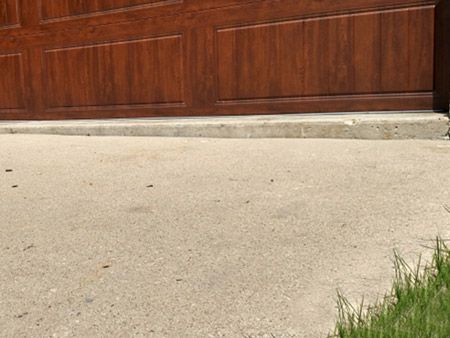
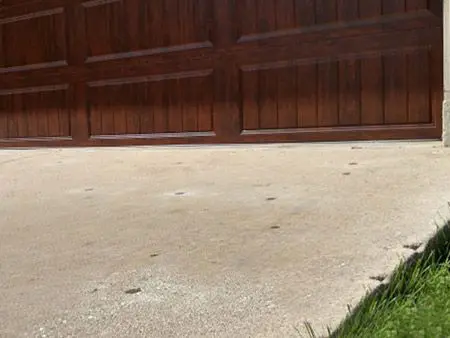
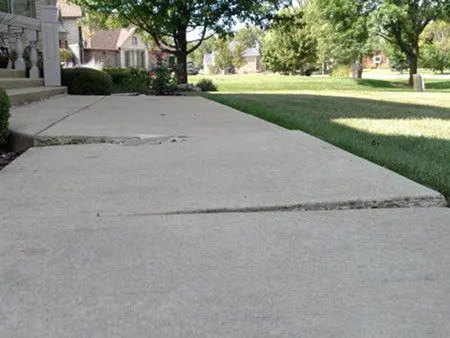
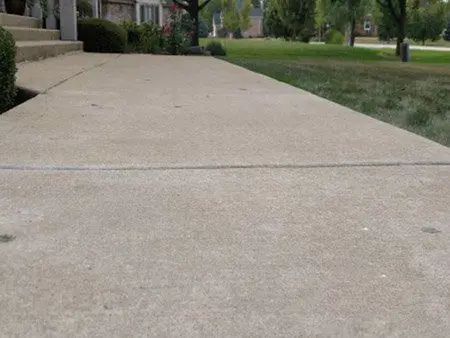
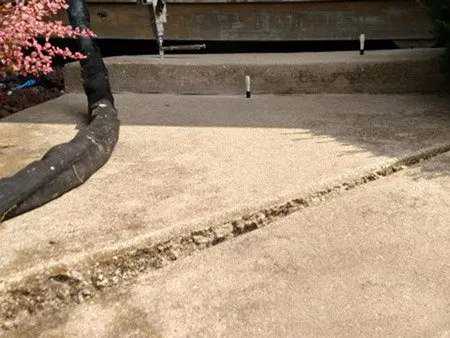
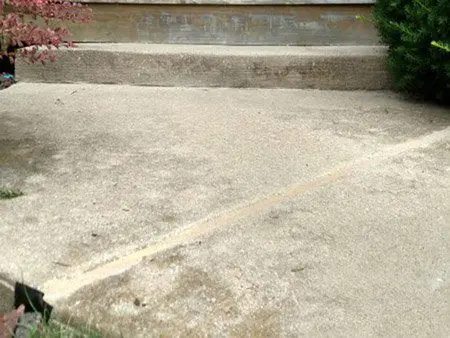
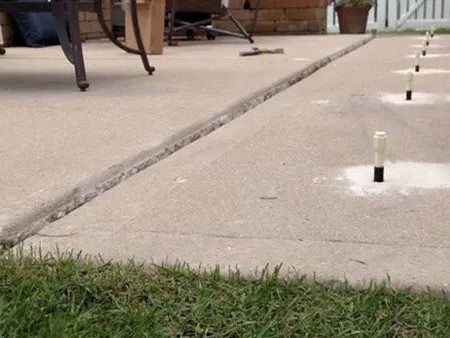
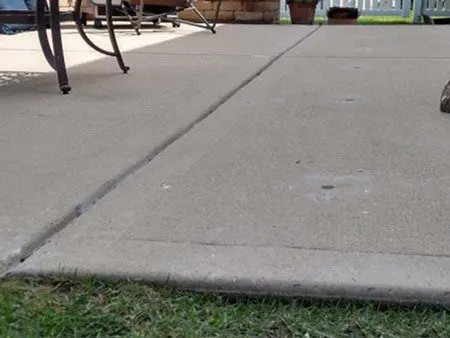
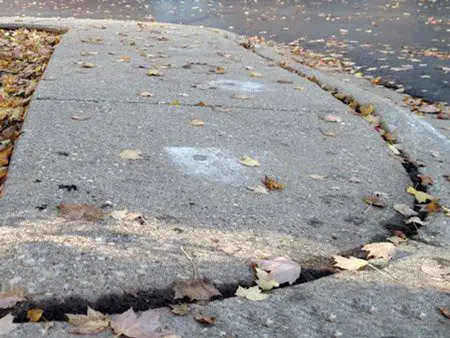
McCullom Lake is a compact lake-centered community where runoff can move from roofs, yards, and paved surfaces toward streets, drainage features, and receiving water. Open control joints and gaps at garage aprons can collect moisture and debris, especially where snowmelt repeatedly crosses the same concrete.

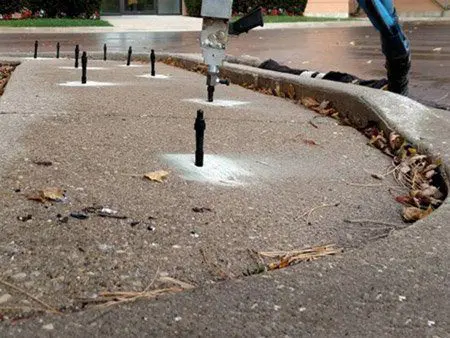
Our concrete caulking service starts with cleaning and preparing suitable joints before installing a flexible sealant profile. The goal is to reduce water entry while preserving the joint’s intended movement and keeping nearby drainage paths open.

Polyurethane Concrete Raising is All We Do!

Why McCullom Lake Homeowners Choose Acme

Joint Care for Lake-Area Flatwork

Concrete joints should be sealed without trapping water against the slab or blocking an intended outlet. We look at the surrounding grade, downspout flow, joint depth, edge condition, and signs of settlement before caulking.

Call today for a FREE Estimate!

The Estimate Guard Promise: Best Price. Best Warranty. Guaranteed. With Acme’s Estimate Guard, you never have to worry about overpaying for professional concrete raising. We guarantee a better price and a better warranty than any competitor—so you get the best overall value every time. It’s our commitment to fair pricing, quality workmanship, and long-lasting results.

Frequently Asked Questions

Why do concrete joints open around McCullom Lake homes?

Sealant can age, shrink, lose adhesion, or be displaced as slabs move through seasonal temperature and moisture changes. Debris and repeated runoff can make an open joint deteriorate faster.
No. Caulking is best for appropriate joints and non-structural gaps that need to accommodate movement. Active structural cracks, loose concrete, or major slab displacement should be evaluated separately.
Loose material, failed sealant, dirt, and vegetation are removed so the new material can bond to sound joint edges. Joint depth and width are also considered before installation.
Sealing suitable joints can reduce water entry at those openings. It should be paired with working downspouts, positive grading, and an unobstructed route for runoff to leave the surface.
Replacement may be appropriate when the joint edges are badly spalled, the slab is breaking apart, or movement has created a condition caulk cannot correct. We explain those limitations before work begins.