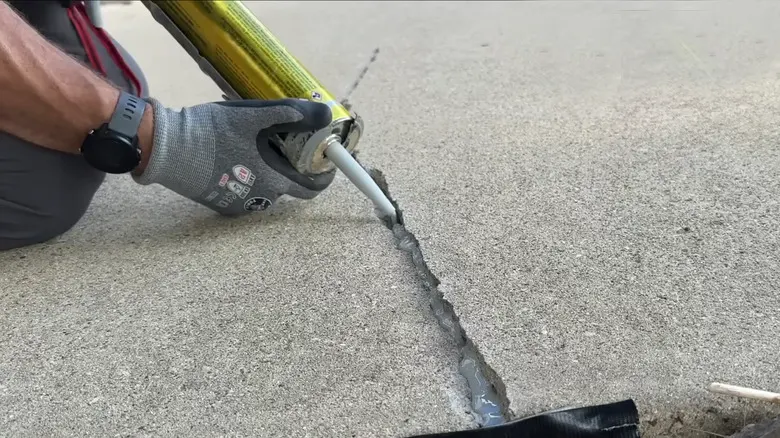
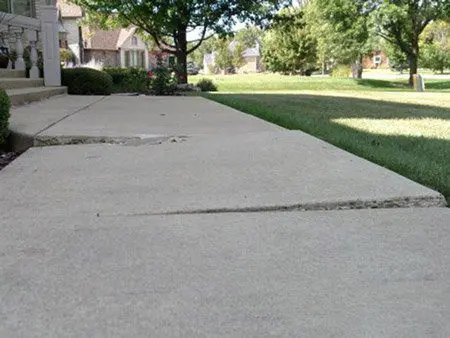
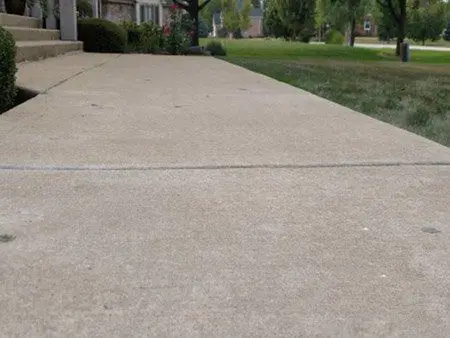
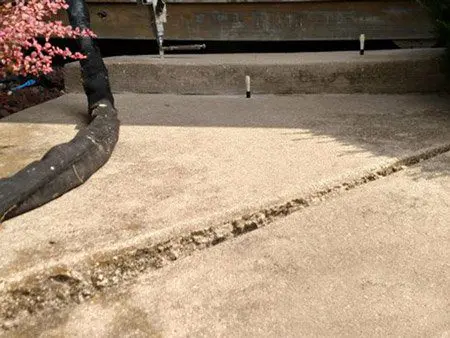
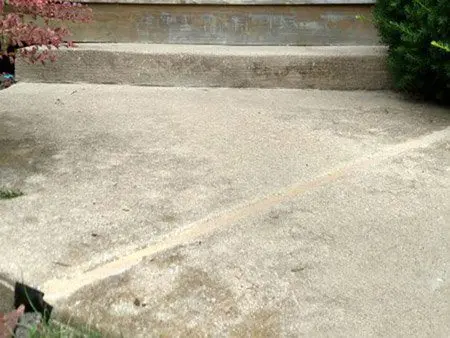
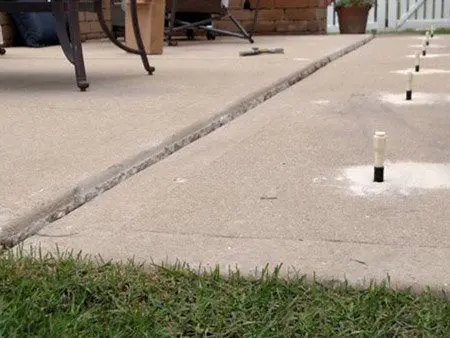
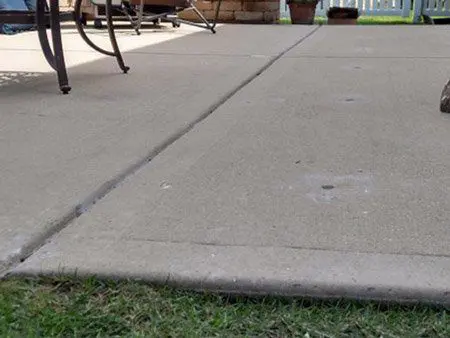
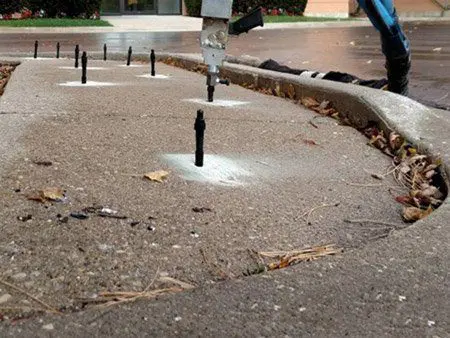
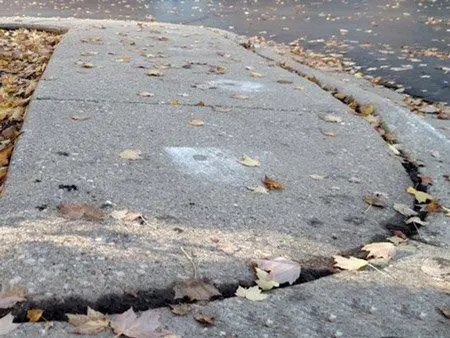
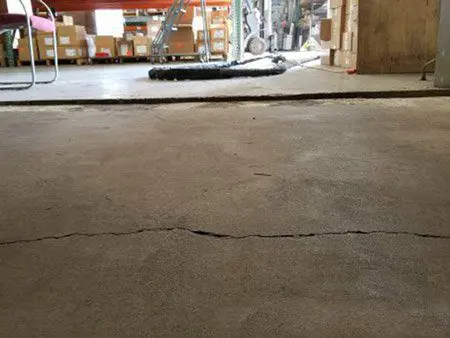
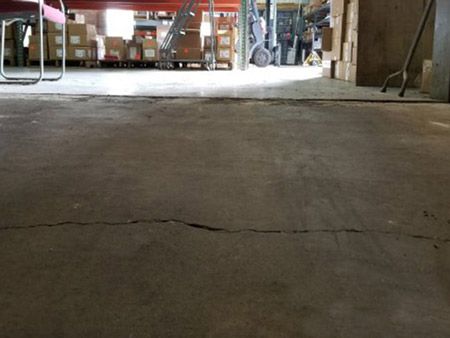
Roselle includes established neighborhoods, local business areas, municipal walks, and broad paved sites within the Spring Brook and Meacham Creek watersheds. Rainwater moving across these surfaces can enter open joints in driveways, sidewalks, patios, garage aprons, and parking pavement. After failed material and debris are removed, concrete caulking creates a flexible seal that helps block water and sediment while allowing ordinary slab movement. It supports maintenance but does not replace grading, drainage correction, or structural crack repair.
Spring Brook Creek, Meacham Creek, storm sewers, and neighborhood grading carry water across Roselle’s built environment. Our concrete caulking service closes selected pavement seams while leaving broader stormwater management to the property’s drainage system.
The Estimate Guard Promise: Best Price. Best Warranty. Guaranteed. With Acme’s Estimate Guard, you never have to worry about overpaying for professional concrete raising. We guarantee a better price and a better warranty than any competitor—so you get the best overall value every time. It’s our commitment to fair pricing, quality workmanship, and long-lasting results.
Frequently Asked Questions
When is old caulk ready to be replaced?
Replacement is appropriate when the material is cracked, brittle, missing, or separated from the joint edge and can no longer form a continuous seal.
Can Roselle runoff wash material from an open joint?
Yes. Moving water can carry fine debris into or out of a gap. Caulking reduces that opening but does not redirect site runoff.
Should weeds be removed before a joint is sealed?
Yes. Vegetation, roots, dirt, and loose material must be cleared so the new caulk can contact the prepared joint surfaces.
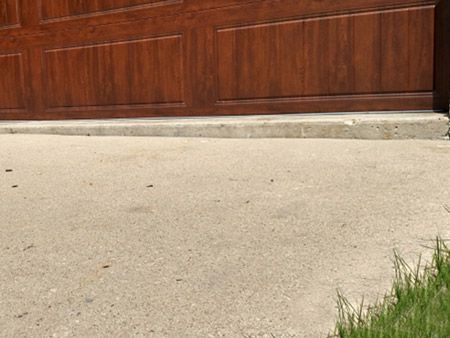
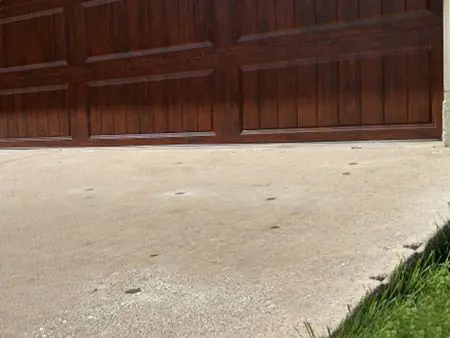
Can a garage apron be caulked if it has settled?
The settlement should be evaluated first. Raising the apron before caulking usually provides a better joint position and repair sequence.
How is the correct caulk profile created?
Joint dimensions, backing material, surface condition, and expected movement guide the installed depth and shape of the flexible seal.