CONCRETE CAULKING IN LAKE ZURICH

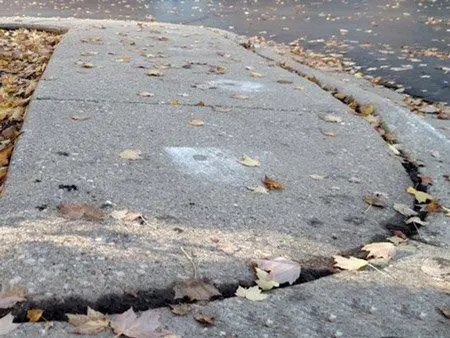
Seal exposed joints on driveways, walks, patios, garage approaches, and outdoor concrete against water, grit, weeds, and debris.
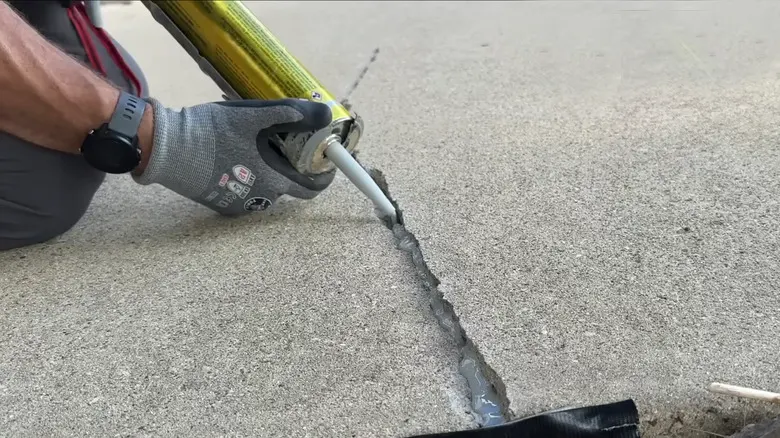
A person wearing gloves is applying sealant from a tube to fill a crack in a concrete surface, demonstrating professional Concrete Caulking in Prairie Grove.

Concrete Joint Sealing for Lake Zurich Conditions

Lake Zurich properties experience lake-area moisture, managed stormwater, winter deicing debris, and repeated freeze and thaw cycles. When joint sealant fails, water, grit, soil, leaves, and vegetation can enter gaps at driveways, sidewalks, patios, garage aprons, and steps. Acme removes loose material and old caulk, cleans stable joint faces, installs backing where needed, and applies flexible exterior sealant. Uneven slabs, active erosion, or crumbling edges are evaluated before the joint is sealed.
Polyurethane Concrete Raising is All We Do!

Why Lake Zurich Property Owners Choose Acme

Caulking for Lake-Area Moisture and Winter Debris

Joints in low or exposed areas can collect water, road grit, and organic material through the seasons. Our concrete caulking service closes prepared gaps while allowing ordinary slab expansion and contraction.

Call today for a FREE Estimate!

The Estimate Guard Promise: Best Price. Best Warranty. Guaranteed. With Acme’s Estimate Guard, you never have to worry about overpaying for professional concrete raising. We guarantee a better price and a better warranty than any competitor—so you get the best overall value every time. It’s our commitment to fair pricing, quality workmanship, and long-lasting results.

Frequently Asked Questions

Why seal concrete joints in Lake Zurich?

A prepared seal limits direct water and debris entry while allowing the joint to accommodate normal concrete movement.
Yes. Grit, salt residue, soil, and loose material must be cleared so the new sealant can contact stable joint faces.
No. It seals the gap, but pooling caused by slab slope, settlement, or broader drainage needs separate correction.
Usually, significant settlement should be corrected first so the final joint matches the repaired slab position.
Often, yes. The joint type, edge condition, moisture exposure, and connections to nearby surfaces are reviewed first.