Protect Joint Edges Without Restricting Slab Movement
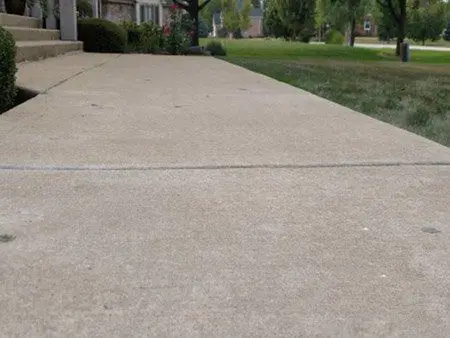
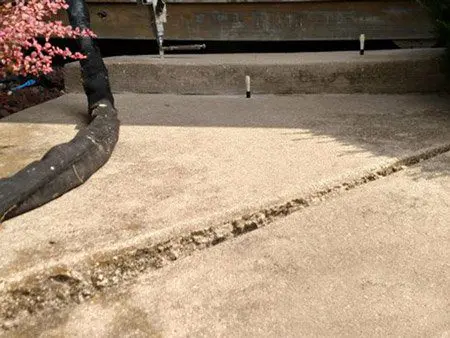
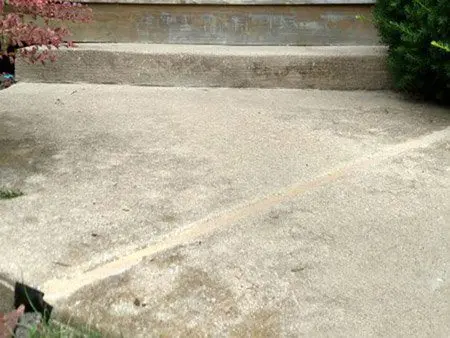
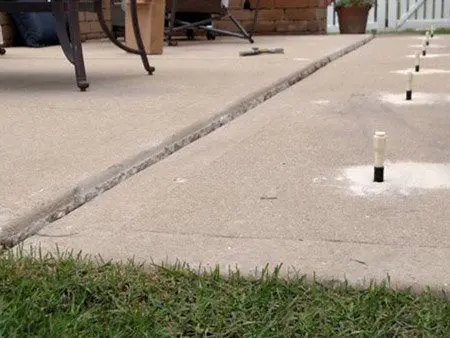
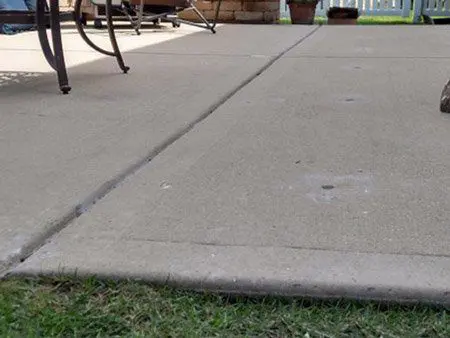
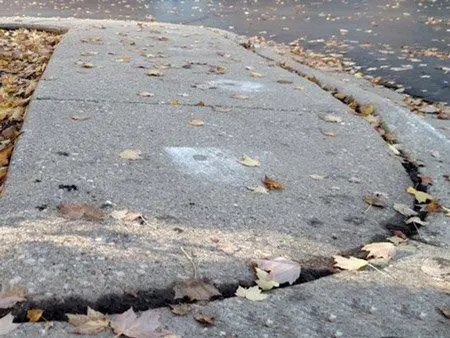
A concrete joint is designed to manage movement, but it cannot do that well when it fills with soil, gravel, weeds, or rigid patch material. Failed sealant also lets water reach the base below adjoining slabs, especially where runoff follows a driveway or side-yard drainage route.
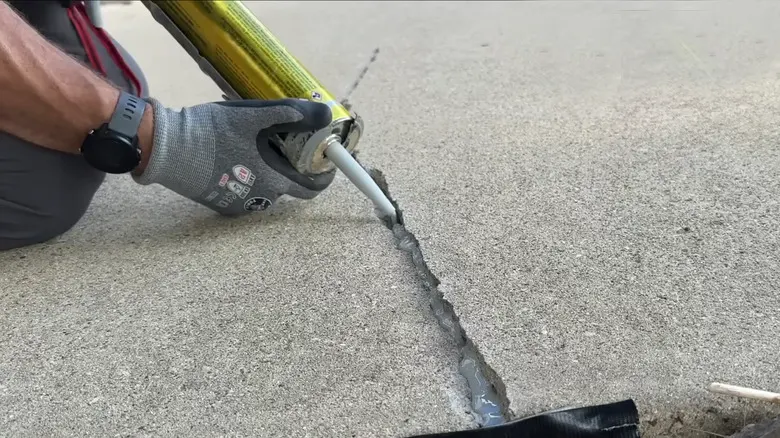
Our process removes deteriorated material, prepares the joint, and installs flexible exterior sealant. Learn more about our broader concrete caulking service and how joint sealing fits into preventive slab care.
Hanover Park drainage depends on grading, swales, inlets, and tributaries connected to the West Branch DuPage River. Because standing water and altered swales can affect how runoff moves through a property, joints near low areas deserve special attention. Caulking helps reduce direct infiltration beneath concrete while surface drainage continues to do its job.
The Estimate Guard Promise: Best Price. Best Warranty. Guaranteed. With Acme’s Estimate Guard, you never have to worry about overpaying for professional concrete raising. We guarantee a better price and a better warranty than any competitor—so you get the best overall value every time. It’s our commitment to fair pricing, quality workmanship, and long-lasting results.
Frequently Asked Questions
Does every crack need flexible caulk?
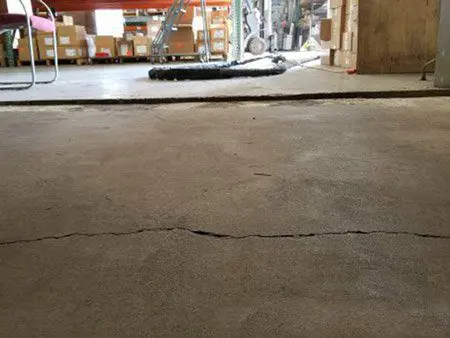
No. Working joints and selected nonstructural cracks may be good candidates, while displaced, widening, or structurally significant cracks need a different evaluation.
Should sunken concrete be leveled before caulking?
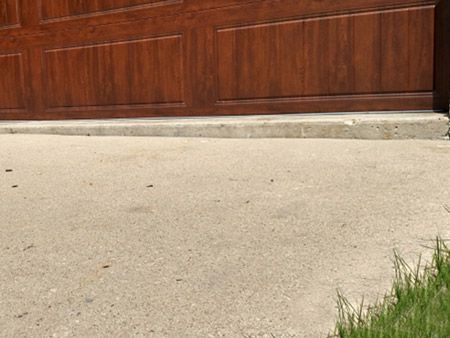
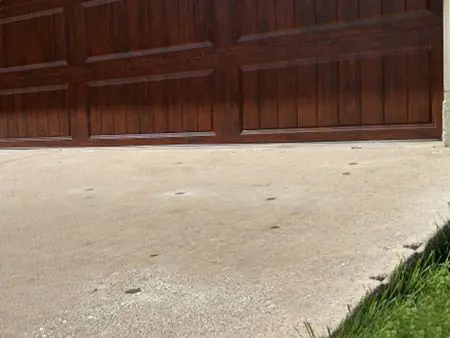
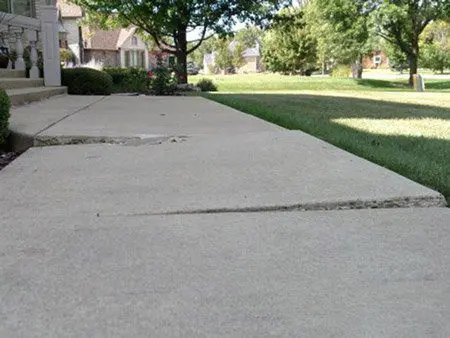
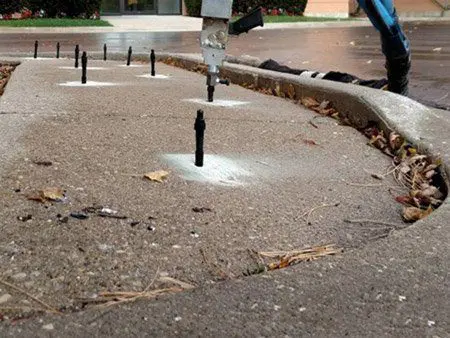
Usually, yes. Raising first can restore alignment and change the joint dimensions, allowing the new sealant to be installed in the corrected opening.
Can weeds grow through an unsealed joint?
Seeds and organic material can collect in open joints and support growth. Cleaning and sealing removes that material and reduces the space where new debris can accumulate.
Will caulking solve standing water beside a driveway?
Caulk can reduce water entering the joint, but it does not correct grading, blocked inlets, or altered swales. Those drainage conditions should be addressed separately.
How do you decide which joints to seal?
We consider joint type, condition, exposure, width, adjacent settlement, and the way runoff reaches the area before recommending a scope.