CONCRETE CAULKING FOR WOODSTOCK PROPERTIES
Seal vulnerable concrete joints across Woodstock homes and commercial properties with careful preparation and flexible exterior caulk.
Keep Water and Debris Out of Working Joints
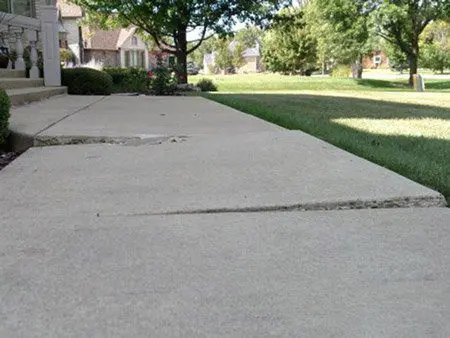
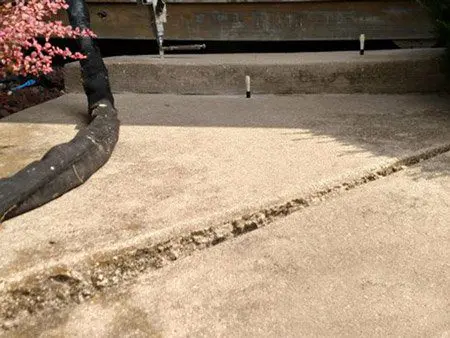
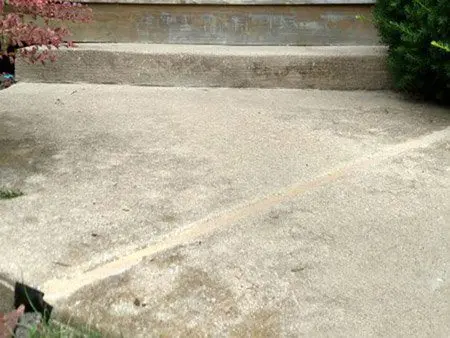
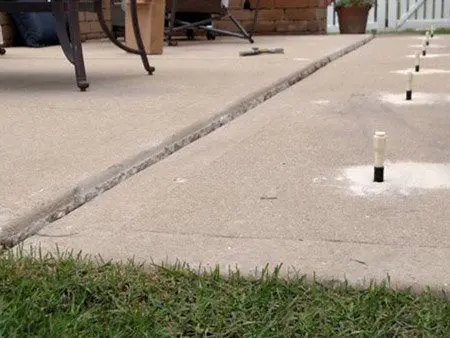
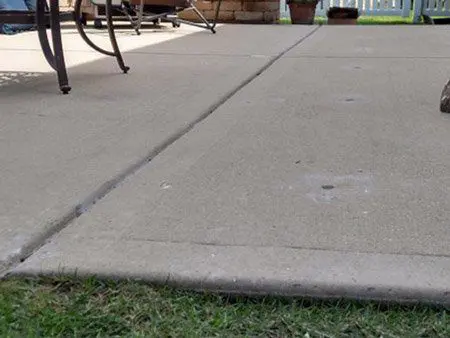
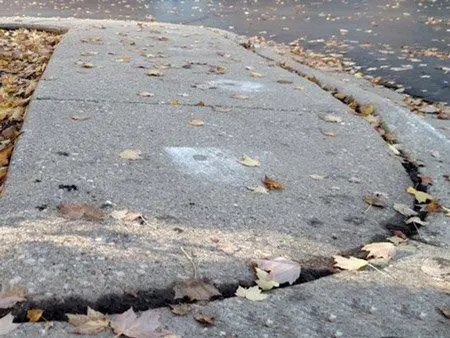
Joints give concrete room to move, but they need maintenance to stay functional. Failed caulk allows water, sand, deicing residue, and organic debris into gaps, where they can wear joint edges and affect the supporting soil.
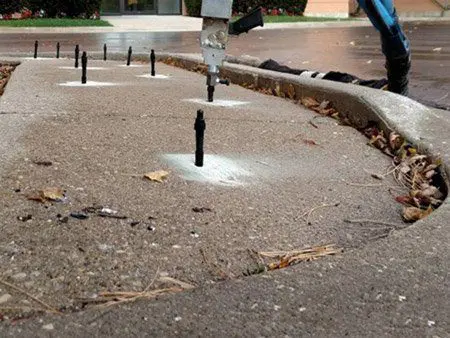
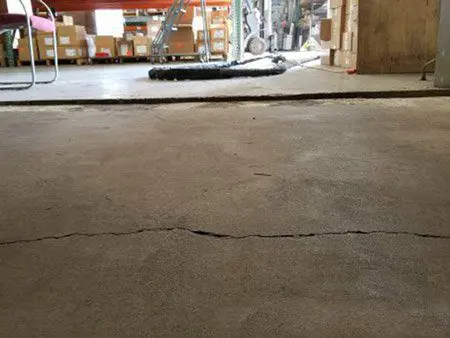
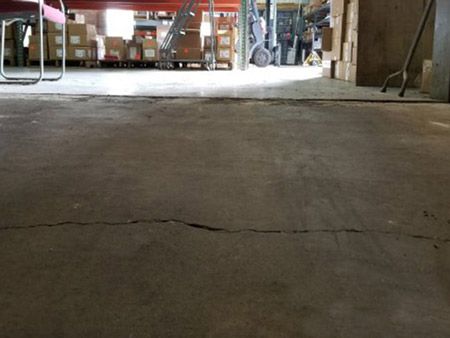
We clean the joint, remove loose material, establish the proper sealant space, and apply flexible exterior caulk. If nearby slabs have already settled, we can evaluate concrete raising before resealing the corrected joint.
Polyurethane Concrete Raising is All We Do!
Why Woodstock Owners Rely on Acme
- Joint preparation matched to existing conditions
- Flexible sealant placed for adhesion and movement
- Service for homes, businesses, and shared properties
- Assessment of settlement and drainage near the joint
- Practical scope without unnecessary patching
Concrete Joint Care Across Woodstock’s Drainage Basins
Woodstock sits on a topographic divide where runoff moves toward several stream systems, including Silver Creek, the Kishwaukee River, Apple and Franklinville Creeks, Slough Creek, and Boone Creek. Properties may rely on storm sewers, swales, ditches, culverts, and detention areas. Caulking helps protect slab joints from direct water entry, especially near downspouts, driveway culverts, and low pavement edges.
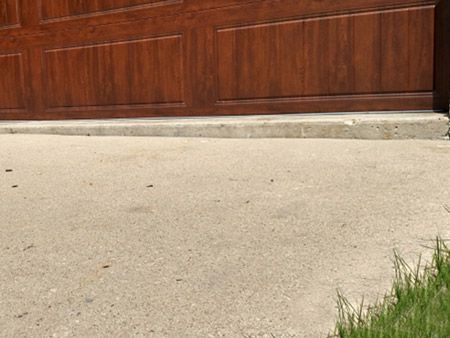
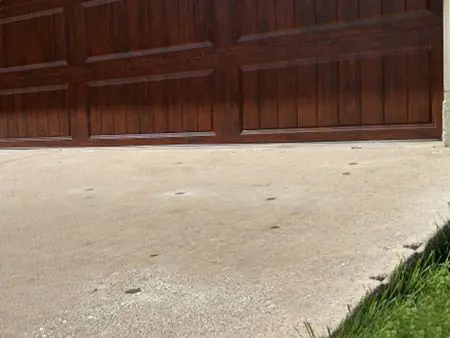
- Driveways and garage apron joints
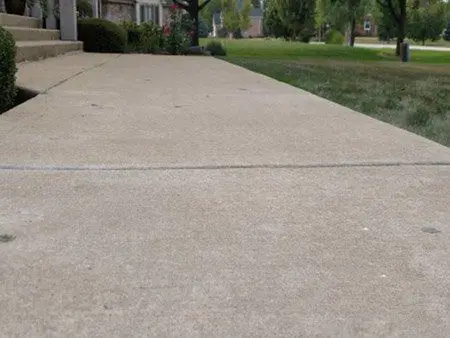
- Sidewalks near swales or street inlets
- Patios and outdoor living areas
- Commercial entrances and service walks
- Joints beside steps, curbs, and foundations
- Concrete exposed to snowmelt and deicing residue
Call today for a FREE Estimate!
The Estimate Guard Promise: Best Price. Best Warranty. Guaranteed. With Acme’s Estimate Guard, you never have to worry about overpaying for professional concrete raising. We guarantee a better price and a better warranty than any competitor—so you get the best overall value every time. It’s our commitment to fair pricing, quality workmanship, and long-lasting results.
Frequently Asked Questions
Why do concrete joints open during winter?
Concrete contracts in cold weather, and old sealant may lose flexibility or adhesion. Seasonal movement can make an already weak joint visibly wider.
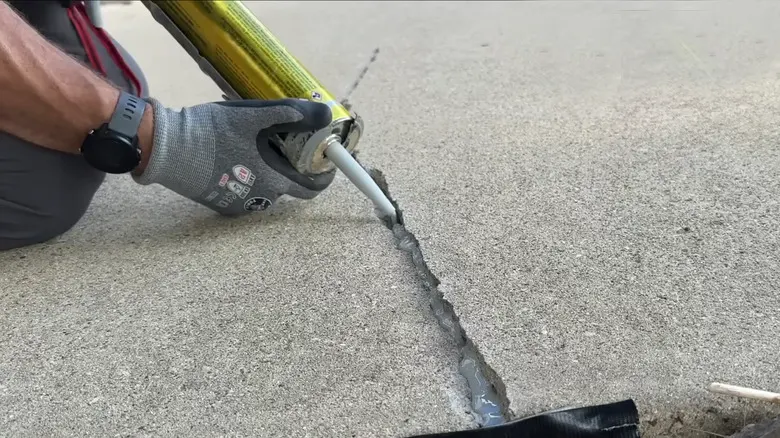
Sealing cracks and joints to protect concrete from water and damage.
Can caulk be placed over dirt or old filler?
Loose material should be removed. A clean, properly prepared joint gives the new sealant a better surface for bonding and movement.
It prevents water intrusion and reduces further cracking.
Does caulking repair broken joint edges?
Sealant closes the gap but does not rebuild severely spalled or fractured concrete. Edge damage may require separate repair or replacement.
Typically lasts for years with proper application.
Will sealing joints prevent all settlement?
No. It helps limit one path for water and debris, but settlement can also result from weak fill, drainage routes, or deeper soil conditions.
What do you inspect before recommending caulking?
We review joint type, width, depth, old material, slab alignment, drainage exposure, traffic, and the condition of adjoining concrete.