Arlington Heights Garage Floor Lifting

Arlington Heights has one of the more varied housing stocks in the northwest suburbs: brick bungalows within walking distance of downtown and the Metra station that go back to the 1920s, and ranch and colonial homes further out from the postwar decades. Garage slabs from either era can settle, just for different reasons. Older detached garages were often poured with less base preparation than we’d use today, while newer attached garages tend to settle where a downspout or grading issue has washed soil out from under one edge.

Either way, we lift and level the slab you have instead of replacing it, which is usually faster and considerably less expensive.
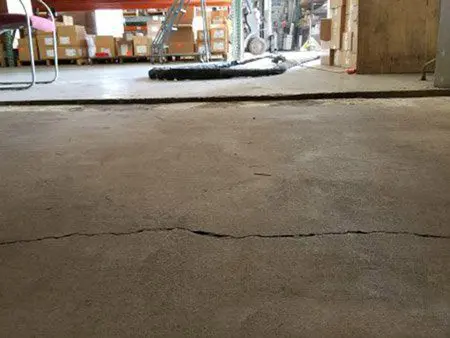
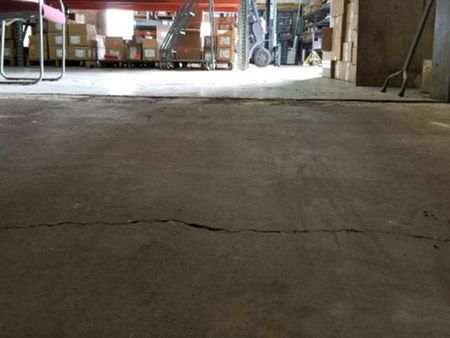
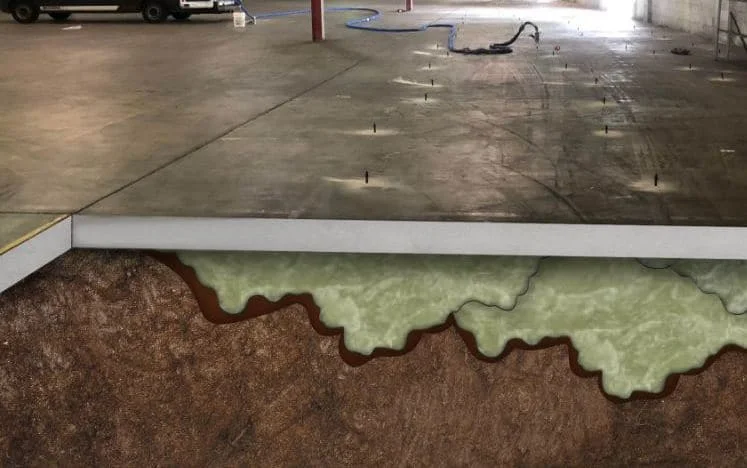
A warehouse floor with a cutaway showing foam injection beneath the concrete slab, illustrating ground stabilization and floor leveling—a technique also used for Garage Floor Lifting in Crystal Lake.

Older and newer garages settle differently

In the older parts of Arlington Heights, a detached garage slab may simply be original construction with a thinner base than we’d recommend now. Closer to downtown, alleys and older drainage patterns can also direct more water toward a garage than the original builders planned for. Farther from downtown, in homes built from the 1950s onward, we more often see settling tied to a specific cause: a gutter downspout, a sump pump discharge line, or a slab poured a bit too close to a slope.

When we'd recommend mudjacking instead

Foam handles most garage floor jobs well because it’s fast and doesn’t add much weight to unstable soil. For a larger slab, or one where the budget favors a lower cost per square foot over speed, mudjacking’s pumped slurry can be the better choice. We’ll walk you through both options for your specific situation rather than defaulting to one.
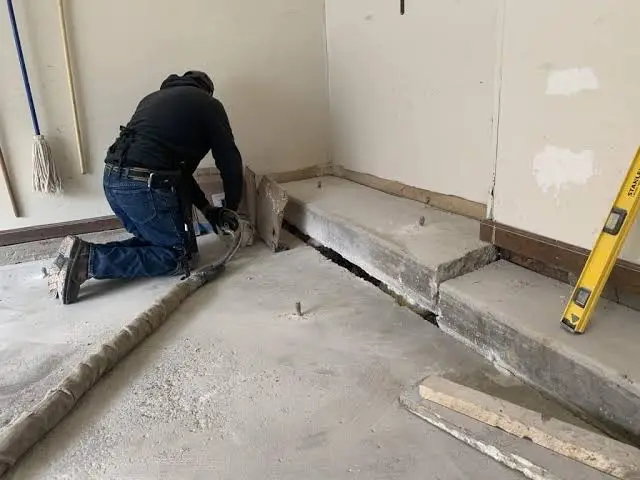
A person in dark clothing kneels on the floor, repairing or cutting a section of cracked concrete near a wall in what appears to be a garage or basement. Tools and construction materials are nearby, suggesting that Garage Floor Lifting in Crystal Lake may be underway to restore stability and ensure a level surface.

Our lifting process

Signs your garage floor has settled

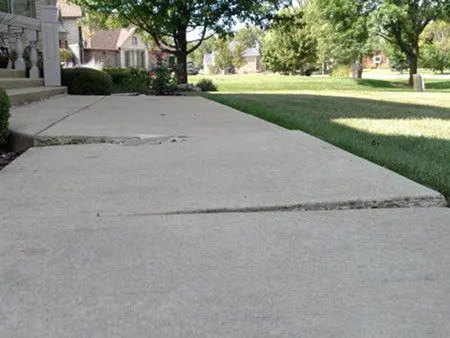
• A gap where the slab meets the driveway or the house foundation
• Cracks that have widened rather than staying hairline
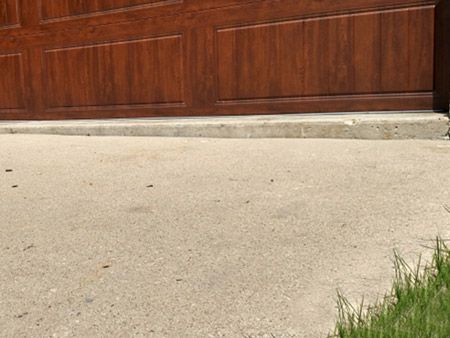
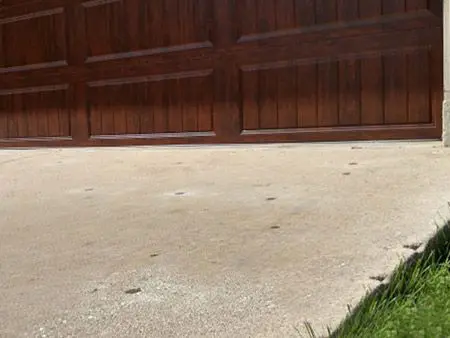
• The garage door sticking, scraping, or not sealing at the bottom
• A section of floor that visibly slopes toward one wall
• Water tracking inside during heavy rain instead of running off outside

If you’re noticing more than one of these, it’s worth having the slab checked before it settles further.

Call today for a FREE Estimate!

If your garage floor has a gap at the door, a crack that keeps growing, or a slab that dips toward the back wall, we’ll come take a look. The assessment is free and there’s no obligation attached to it.

Call us at (815) 264-2200 or request a free estimate online. Acme Concrete Raising & Repair · 824 S Main Street, Ste 105, Crystal Lake, IL 60014.

Frequently Asked Questions

Does the age of my garage matter for this repair?

Not really. We’ve lifted garage floors from the 1920s and from the 2010s. What matters more is what’s happening in the soil underneath, not how old the concrete is.
Yes, the process is the same either way. Detached garages actually make up a good share of the work we do in older parts of town.
Not very. The drill holes are small, about the diameter of a dime, and we clean up as we go. There’s no demolition and no concrete dust settling over everything in the garage.
Not really. We’ve lifted garage floors from the 1920s and from the 2010s. What matters more is what’s happening in the soil underneath, not how old the concrete is.
We patch the injection holes with a concrete patch that blends reasonably well with the surrounding slab. It won’t be invisible up close, but it isn’t something most people notice once they’re parking on it again.