DEEP FOAMJECTION IN ALGONQUIN

Improve support beneath suitable concrete where deeper voids, weak fill, or recurring settlement extend beyond the slab interface.
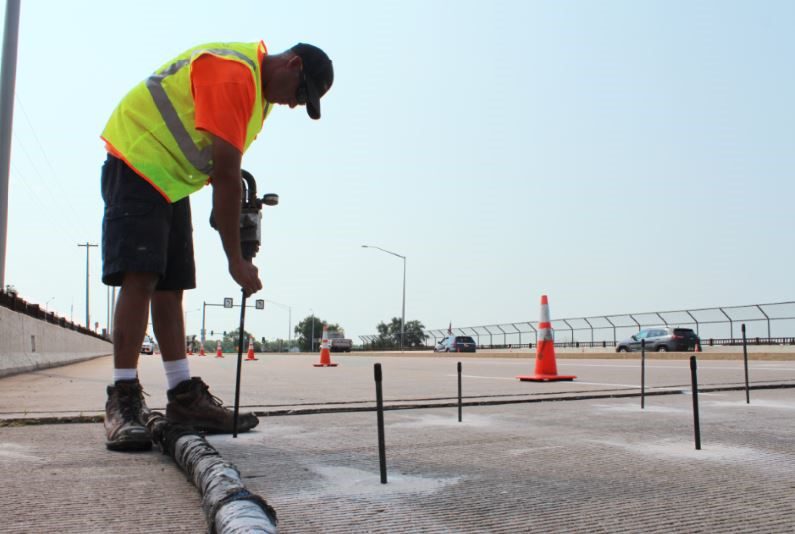
Highway worker

Deep Void and Soil Stabilization in Algonquin

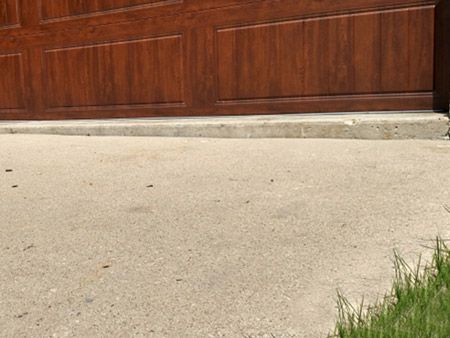
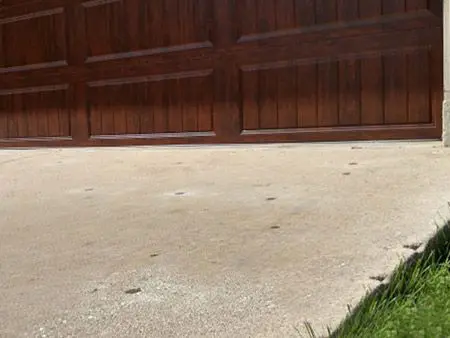
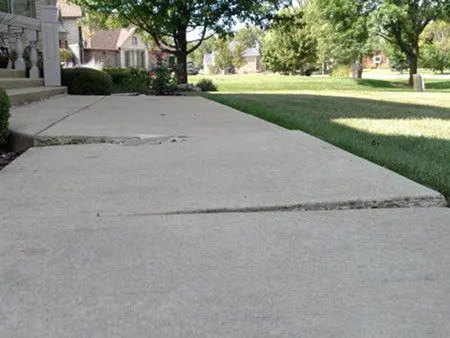
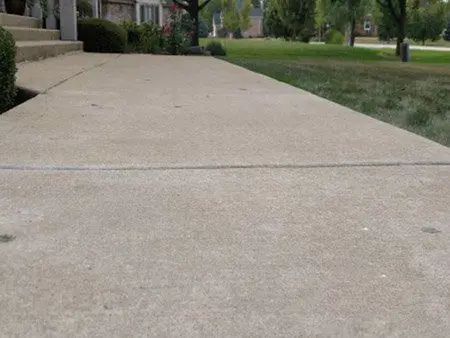
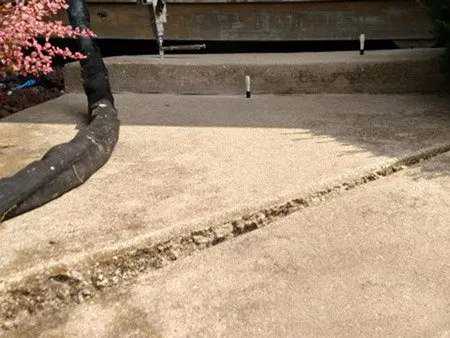
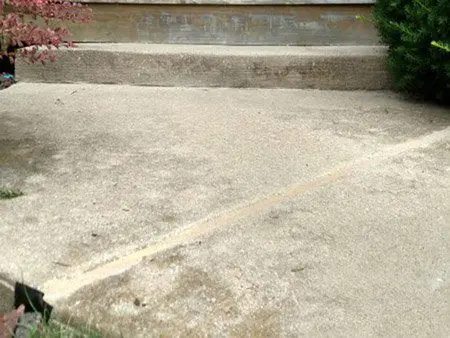
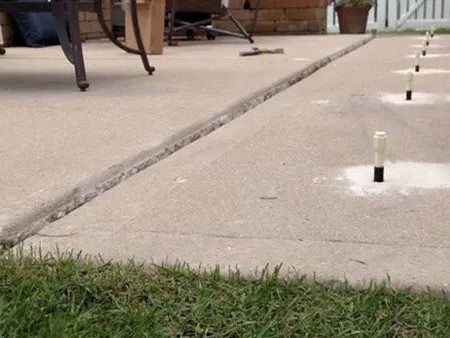
Some Algonquin slabs settle because support has weakened well below the immediate underside of the concrete. Sloped grades, utility trenches, moisture movement, or soil loss can create a deeper zone that ordinary surface lifting may not fully address. Deep Foamjection places expanding material at planned depths to help fill accessible voids and improve support.
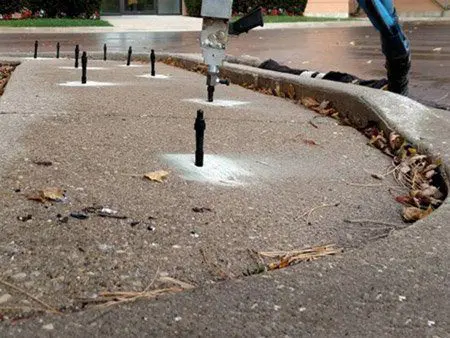
The injection pattern is based on observed movement, slab condition, access, and the suspected depth of the weak area. Material is placed in controlled stages while the surface and surrounding transitions are monitored.

Polyurethane Concrete Raising is All We Do!

Why Algonquin Property Owners Choose Acme

Addressing Deeper Support Along Changing Grades

A slab on a slope or near a drainage path may lose support below more than one soil layer. Our Deep Foamjection service is considered when evaluation points to deeper voids or weak fill beneath driveways, garage approaches, walks, patios, or other concrete.

Call today for a FREE Estimate!

The Estimate Guard Promise: Best Price. Best Warranty. Guaranteed. With Acme’s Estimate Guard, you never have to worry about overpaying for professional concrete raising. We guarantee a better price and a better warranty than any competitor—so you get the best overall value every time. It’s our commitment to fair pricing, quality workmanship, and long-lasting results.

Frequently Asked Questions

When is Deep Foamjection considered in Algonquin?

It is considered when the support concern appears deeper than the slab interface, especially where voids, weak fill, or recurring settlement are present.
No. Leveling primarily repositions a slab. Deep Foamjection targets deeper support conditions, although controlled surface movement can occur during injection.
Potentially. Access, slope, slab condition, utilities, and soil response are evaluated before injection points and depths are selected.
No. It can improve support, but active runoff, leaks, erosion, or poor grading may require separate correction.
No. Some slabs need conventional raising, drainage work, reconstruction, or replacement. The observed conditions determine the suitable approach.