Barrington’s receiving waters include Flint Creek, Lake Louise, and Baker Lake, supported by wetlands, detention areas, and neighborhood drainage systems. Where a concrete wall retains soil beside a pond or channel, water can carry fine material through joints or openings and leave unstable backfill behind the structure.
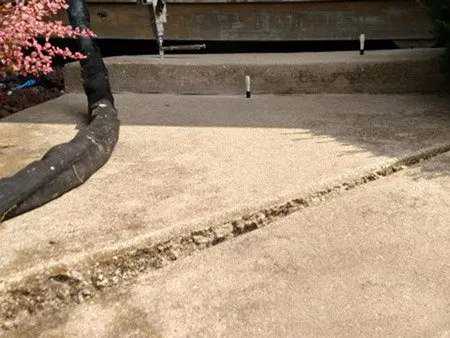
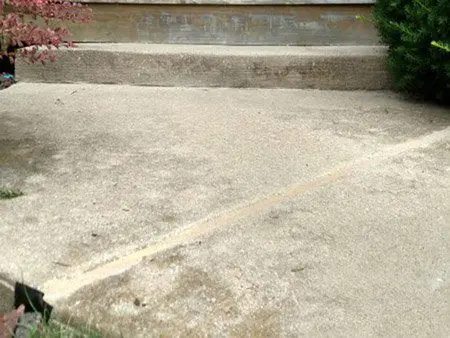
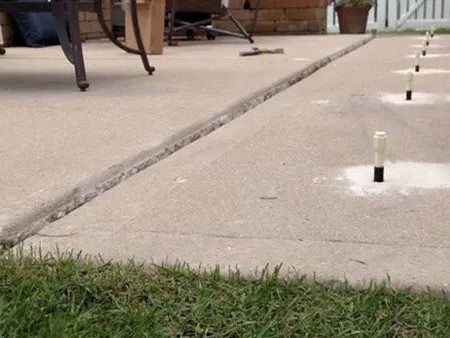
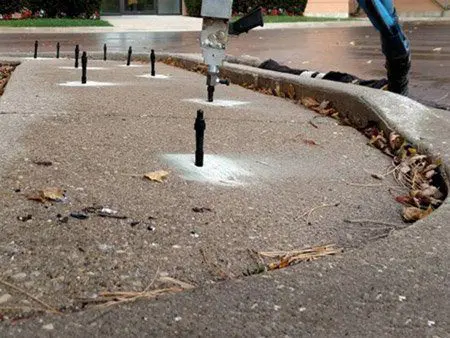
Acme evaluates wall movement, soil loss, drainage paths, and accessible voids before proposing repair. When the wall remains a suitable candidate, targeted polyurethane injection can restore support with less disruption than excavating the entire landscaped edge.
Shoreline Stability Near Flint Creek and Local Lakes
Barrington has invested in Flint Creek restoration, wetlands, and stormwater quality, which reflects how closely local water features are connected. A durable seawall repair plan should address the existing void and the path that allowed soil to escape.
The Estimate Guard Promise: Best Price. Best Warranty. Guaranteed. With Acme’s Estimate Guard, you never have to worry about overpaying for professional concrete raising. We guarantee a better price and a better warranty than any competitor—so you get the best overall value every time. It’s our commitment to fair pricing, quality workmanship, and long-lasting results.
Frequently Asked Questions
What shoreline structures can develop voids in Barrington?
Concrete pond walls, channel edges, retaining sections, and other constructed water boundaries can lose backfill through joints or openings. The wall design, access, and severity of movement determine repair suitability.
What causes the ground behind a wall to sink?
Water can carry fine soil through cracks, failed joints, pipe openings, or gaps beneath the structure. As material leaves, the surface above loses support and may form a depression or recurring hole.
Can polyurethane straighten a leaning seawall?
Polyurethane can fill accessible voids and stabilize suitable backfill, but it does not rebuild a severely displaced or structurally failed wall. Significant movement may require engineering or reconstruction.
Will seawall repair disturb Barrington landscaping?
Injection typically uses small access points and can limit excavation. Actual disturbance depends on vegetation, utilities, wall access, and the distance the void extends behind the shoreline.
Should drainage be repaired at the same time?
A continuing drainage problem can recreate erosion after void filling. We identify visible contributing conditions and explain when grading, piping, or wall-joint work should be coordinated separately.