CONCRETE LEVELING IN BULL VALLEY

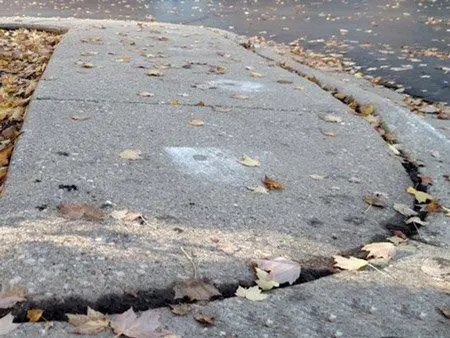
Raise uneven concrete across larger wooded and rural properties with long approaches, rolling terrain, detached structures, and open drainage.
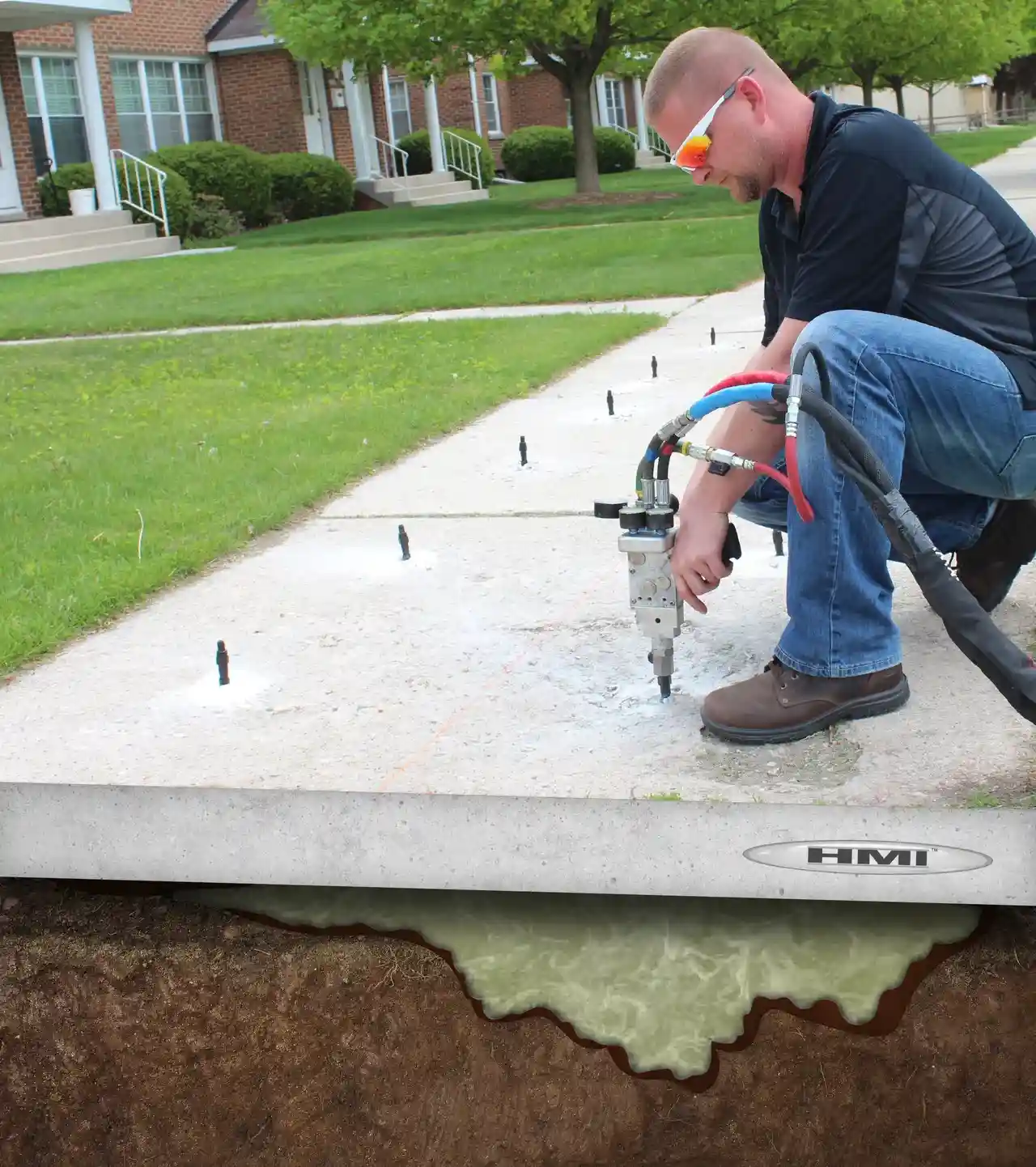
A man uses equipment to inject material beneath a concrete sidewalk for leveling, with an illustration showing the foam filling the gap below the slab—a typical process for Concrete Leveling in Bartlett.

Concrete Leveling for Bull Valley Properties

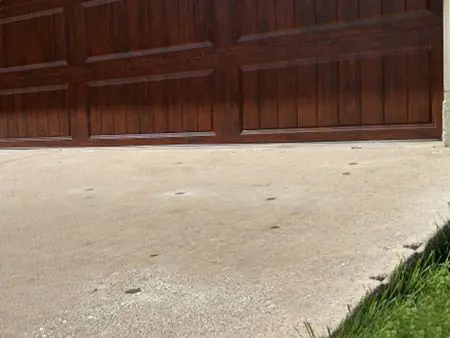
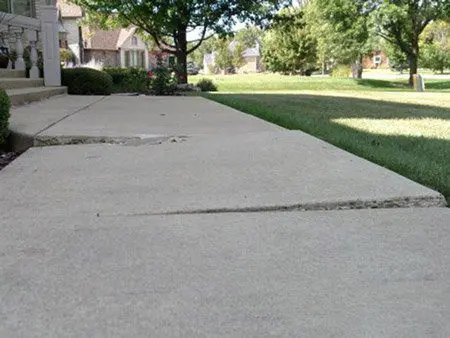
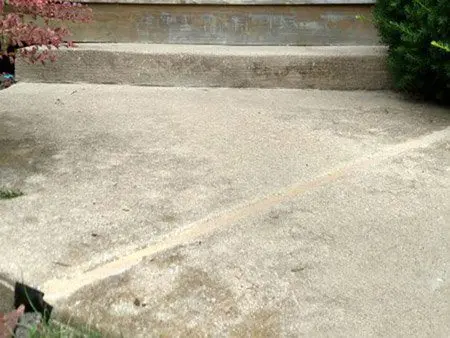
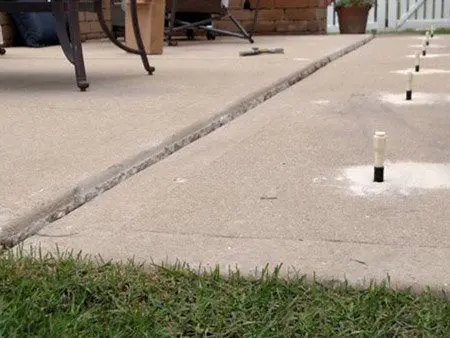
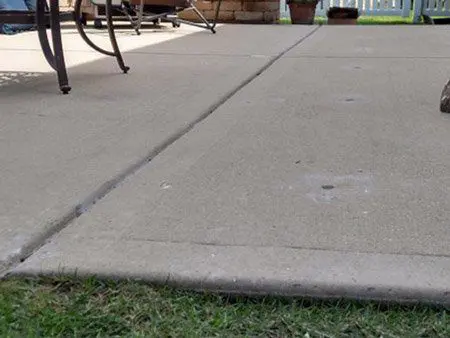
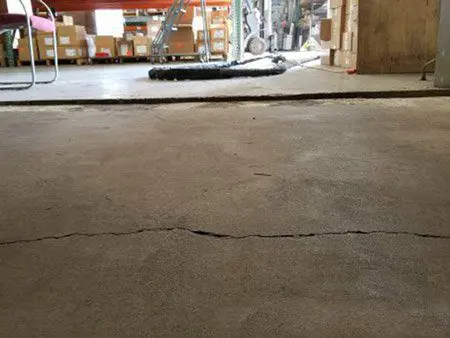
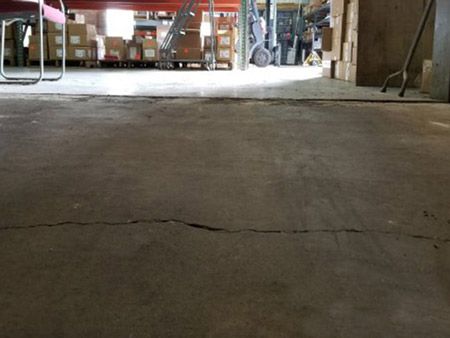
Bull Valley properties often include long driveways, mature trees, detached garages or outbuildings, and concrete crossing rolling or natural grades. Runoff, root zones, disturbed fill, and seasonal soil changes can leave selected panels uneven. Acme reviews slab condition, loading, elevation, drainage, access, edge support, and adjoining surfaces before using polyurethane to restore support beneath suitable concrete.
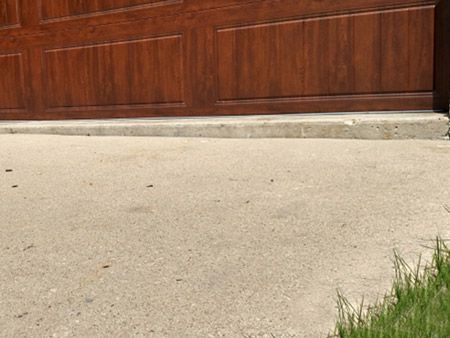
Polyurethane Concrete Raising is All We Do!

Why Bull Valley Property Owners Choose Acme

Leveling Long Drives and Rural Concrete

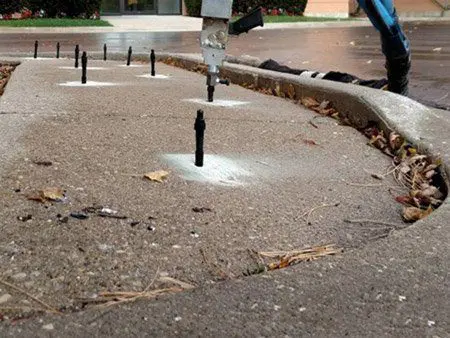
A paved approach can cross several soil and slope conditions before reaching a building. Our polyurethane concrete leveling process targets serviceable settled panels while respecting property access, drainage, and the surrounding grade.

Call today for a FREE Estimate!

The Estimate Guard Promise: Best Price. Best Warranty. Guaranteed. With Acme’s Estimate Guard, you never have to worry about overpaying for professional concrete raising. We guarantee a better price and a better warranty than any competitor—so you get the best overall value every time. It’s our commitment to fair pricing, quality workmanship, and long-lasting results.

Frequently Asked Questions

Can part of a long Bull Valley driveway be leveled?

Yes, when selected panels are serviceable and can be adjusted to useful relationships with the surrounding concrete.
Runoff and changing moisture can influence support differently across a slope, especially near edges and disturbed fill.
Potentially. Root location, slab movement, soil condition, access, and the intended alignment are evaluated first.
It may be suitable when slab condition, loads, drainage, and the connection to the building support a practical lift.
No. Active water and soil loss should be corrected as part of the broader repair plan.