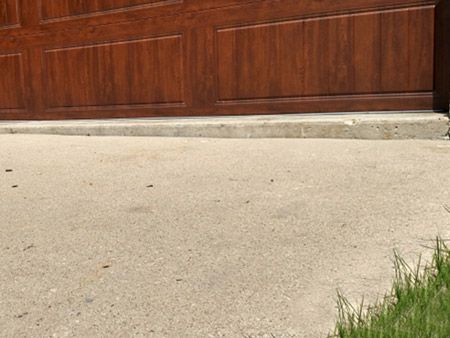
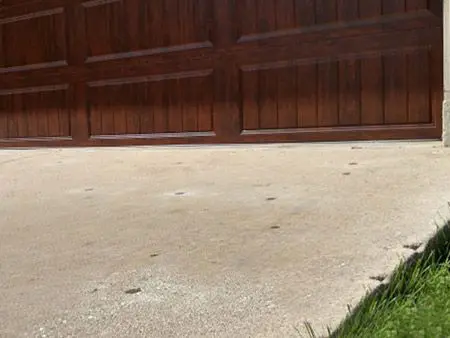
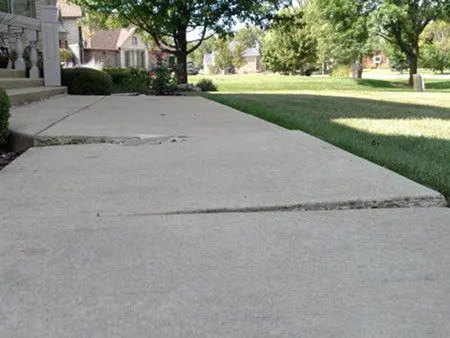
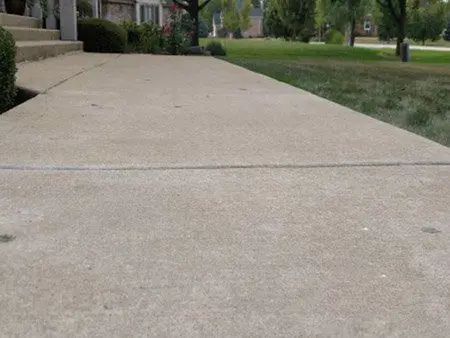
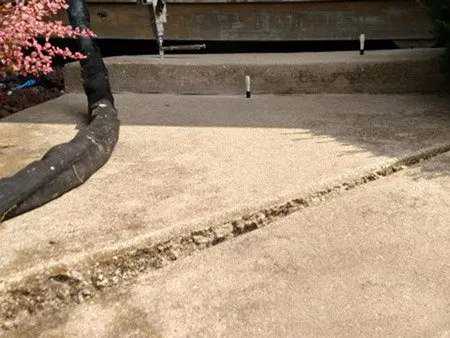
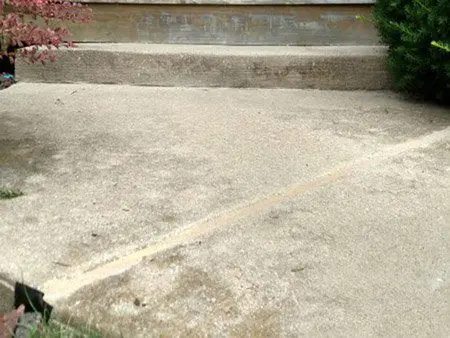
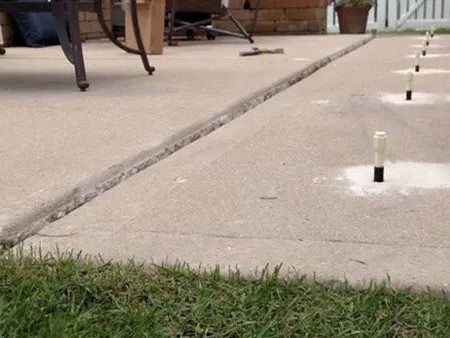
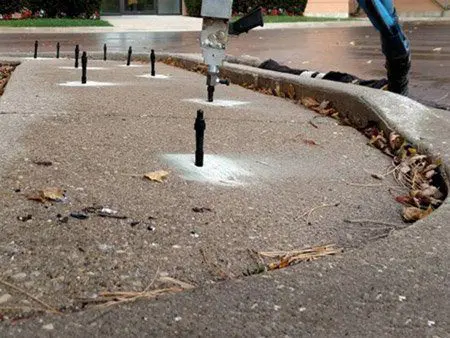
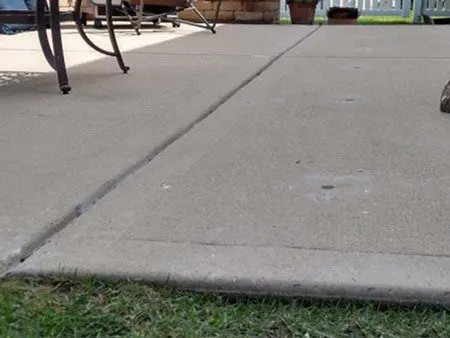
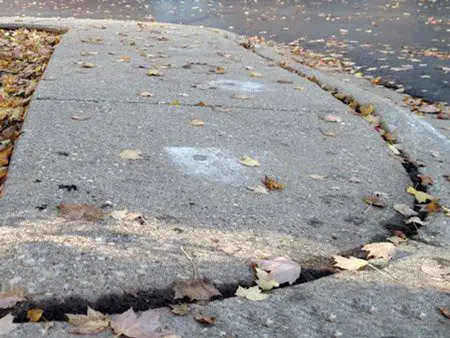
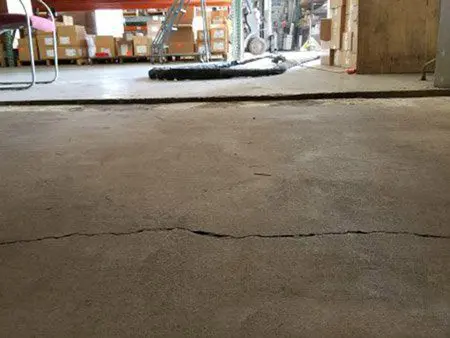
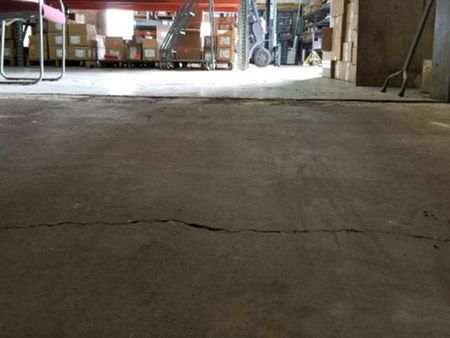
Recurring or widespread settlement may begin below the shallow void directly under concrete. Disturbed fill, utility trenches, moisture movement, or weak soil layers can continue compressing after a surface symptom appears.
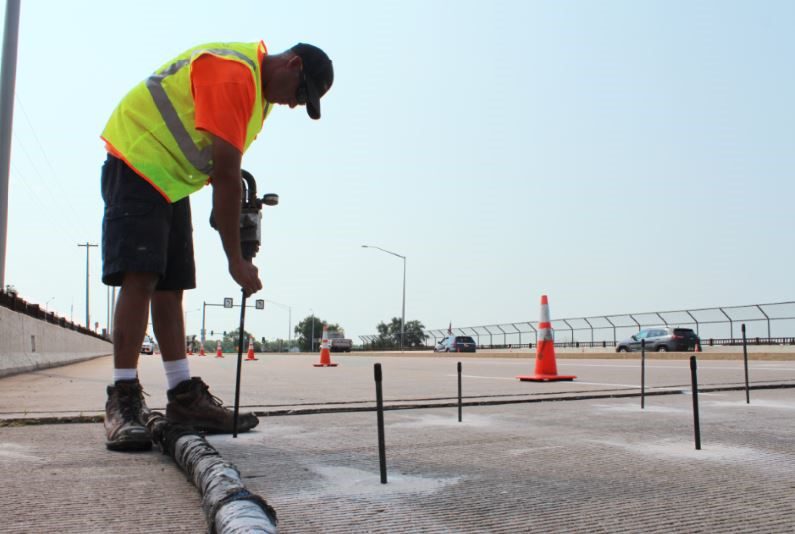
Deep Foamjection places expanding polyurethane at planned depths to improve subsurface support with limited surface disturbance. It may be coordinated with conventional slab raising when the concrete also needs elevation correction.
Burtons Bridge is an unincorporated community at Route 176 within the Fox River corridor. River-adjacent terrain, sloped lots, older fill, utility work, and changing moisture can create varied support conditions below driveways, garage slabs, walks, and patios. We distinguish a deeper soil problem from ordinary slab-base voids, active shoreline erosion, or flood-related issues.
We proudly perform Deep Foamjection throughout Burtons Bridge and nearby areas, including:
The Estimate Guard Promise: Best Price. Best Warranty. Guaranteed. With Acme’s Estimate Guard, you never have to worry about overpaying for professional concrete raising. We guarantee a better price and a better warranty than any competitor—so you get the best overall value every time. It’s our commitment to fair pricing, quality workmanship, and long-lasting results.
Frequently Asked Questions
How is Deep Foamjection different from concrete raising?
Concrete raising fills the immediate void and adjusts slab elevation. Deep Foamjection targets weak zones farther below the base when evidence supports a deeper problem.
Does every settled slab near the river need deep injection?
No. Many slabs only require conventional raising. The treatment depends on settlement pattern, site history, moisture, and suspected depth of support loss.
Yes. Foam is lighter, stronger, cleaner, and provides deeper soil stabilization.
Can deep injection repair riverbank erosion?
Not by itself. Active bank erosion, shoreline failure, or flood damage requires a separate evaluation and may involve other professionals or approvals.
Will the process disturb the entire yard?
Injection uses planned access points and typically avoids broad excavation. Equipment access and surface protection are reviewed before work begins.
How are injection locations selected?
Locations are based on slab layout, settlement pattern, adjacent structures, utilities, drainage, and the suspected weak soil zone.