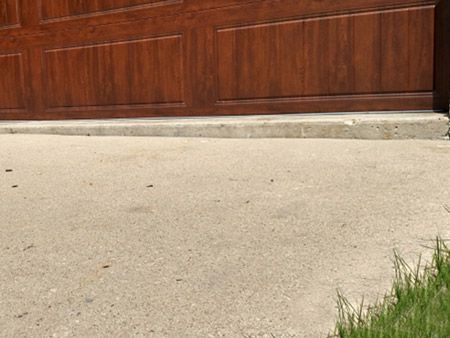
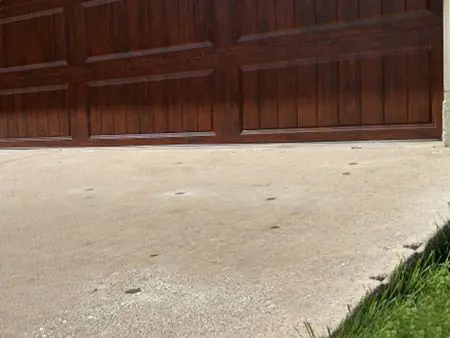
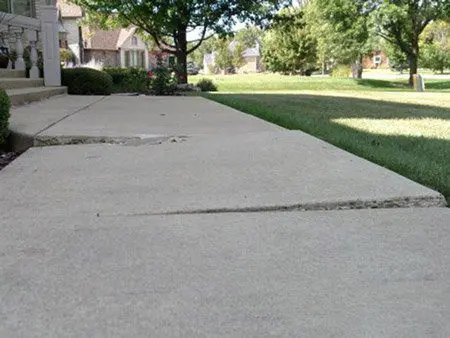
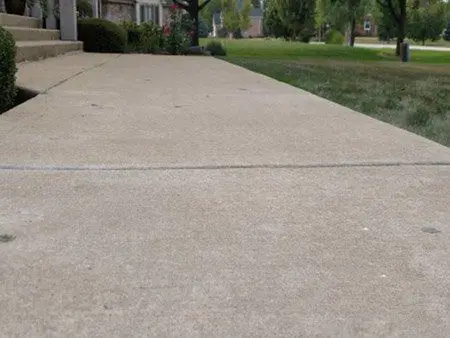
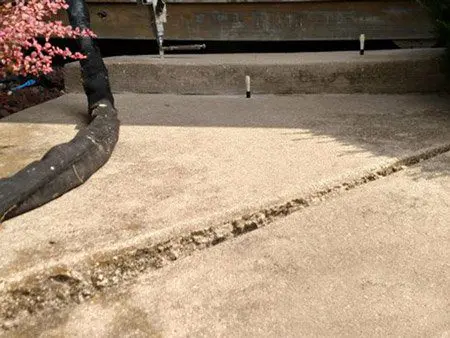
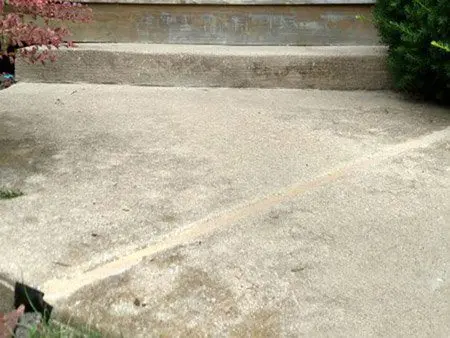
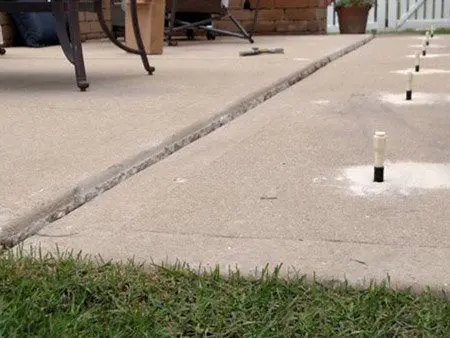
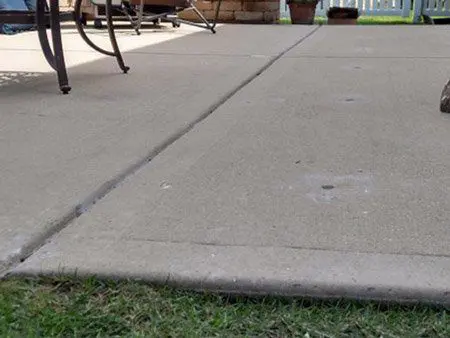
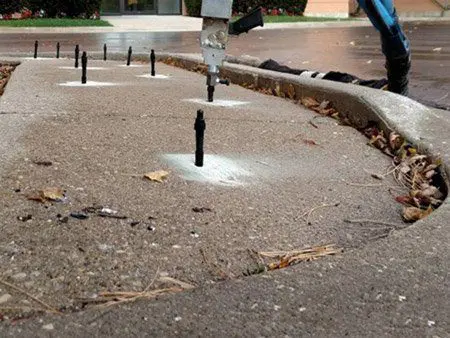
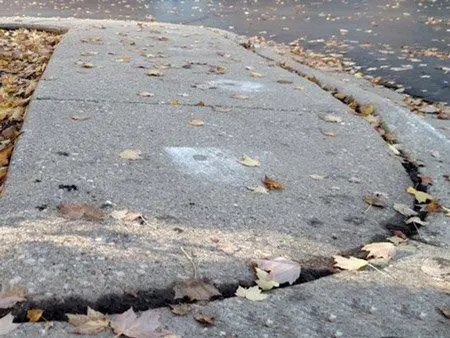
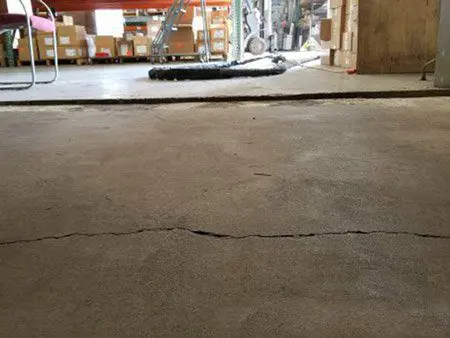
Carpentersville includes established Fox River neighborhoods, hillside streets, commercial areas, and newer residential development. Water can travel across changing grades and paved surfaces until it reaches a failed driveway, sidewalk, patio, garage, or parking-area joint.
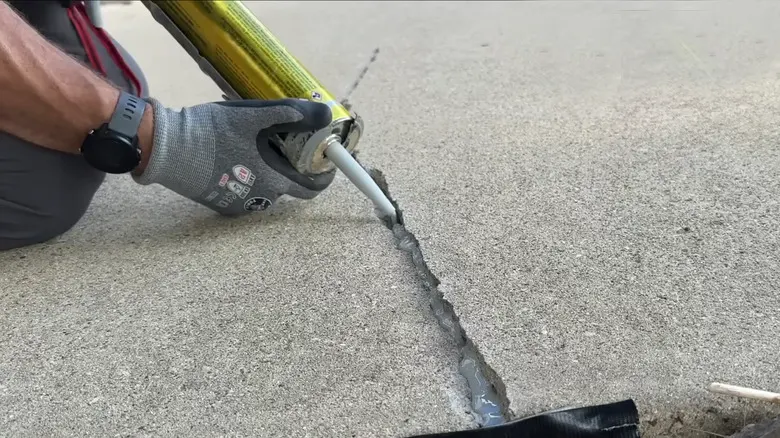
Professional concrete caulking closes that opening with a flexible material after the gap is cleaned and prepared. The finished seal helps block sediment and supports surface drainage while allowing normal slab movement.
River-influenced grades, neighborhood drainage, and broad commercial pavement create varied runoff conditions across Carpentersville. Caulking does not replace site drainage, but it closes seams where water and fine material can reach the slab base.
The Estimate Guard Promise: Best Price. Best Warranty. Guaranteed. With Acme’s Estimate Guard, you never have to worry about overpaying for professional concrete raising. We guarantee a better price and a better warranty than any competitor—so you get the best overall value every time. It’s our commitment to fair pricing, quality workmanship, and long-lasting results.
Frequently Asked Questions
When should Carpentersville joints be recaulked?
Recaulking is useful when material has cracked, shrunk, hardened, or separated. Gaps filled with dirt, vegetation, or water indicate the existing seal is no longer effective.
Can caulking help on a sloped driveway?
Yes. Slope and water direction are considered during preparation and curing. Proper grading must still move runoff away from garages, foundations, and low concrete panels.
Do older joints require more preparation?
They may contain layers of sealant, rigid filler, soil, or vegetation. Unsuitable material is removed so the replacement caulk can bond to appropriate joint surfaces.Typically lasts for years with proper application.
Does caulking prevent every concrete crack?
No. Joint sealing manages an existing opening and normal movement but cannot eliminate all shrinkage, structural stress, soil settlement, or impact-related cracking.
Can raised concrete be caulked the same day?
The sequence and timing depend on the lifting work, joint condition, weather, and sealant requirements. We plan the tasks so the corrected panels can be sealed appropriately.Usually within hours; full cure in about 24 hours.