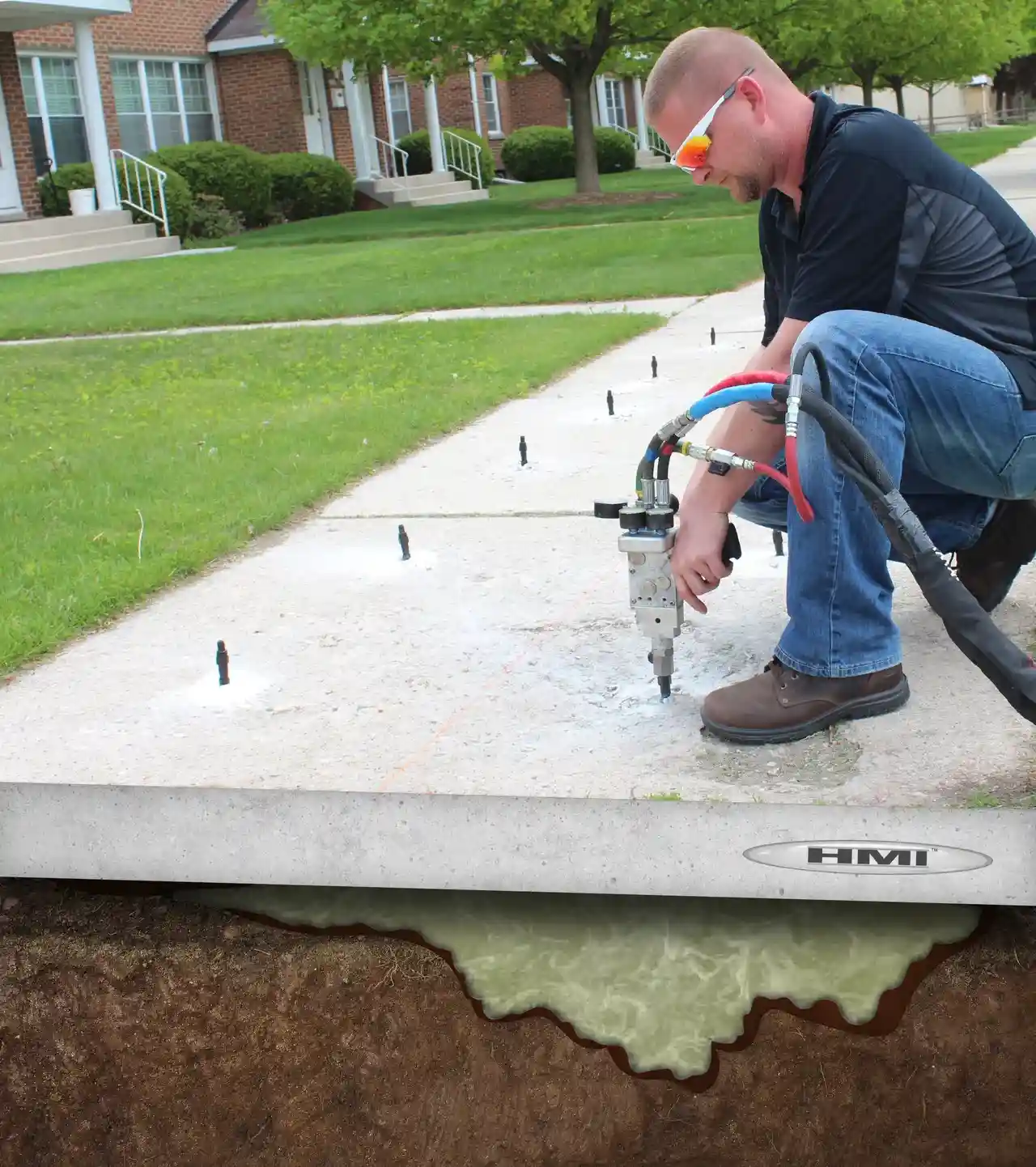
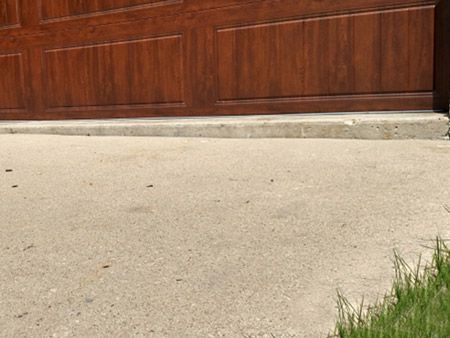
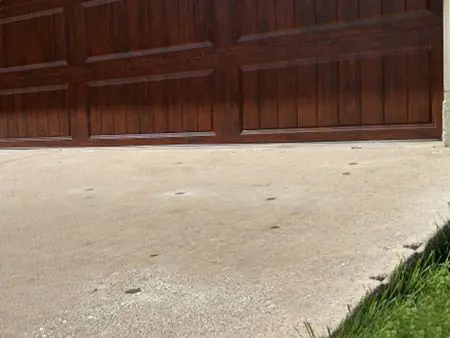
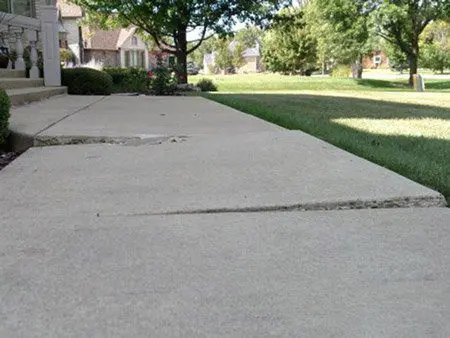
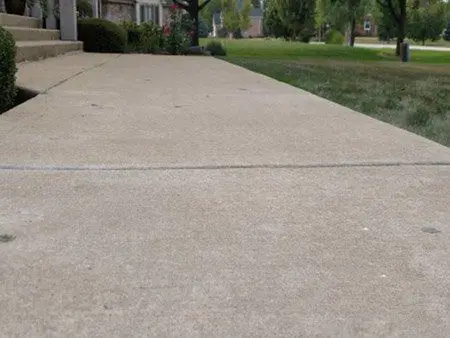
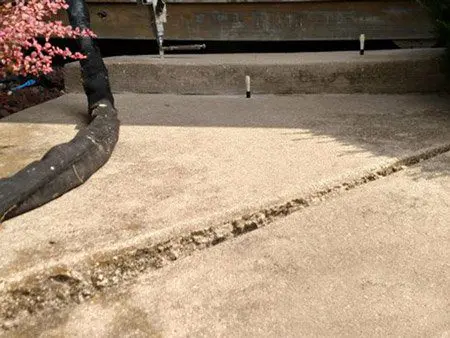
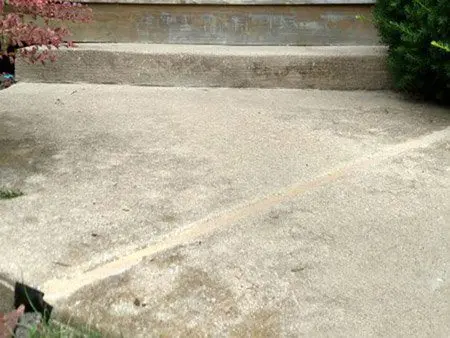
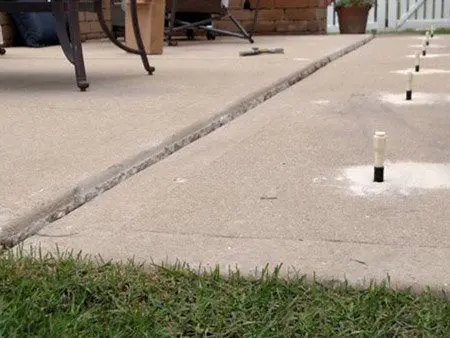
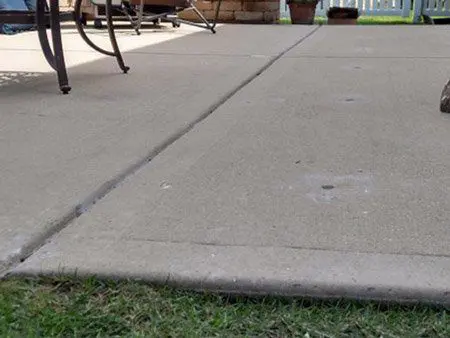
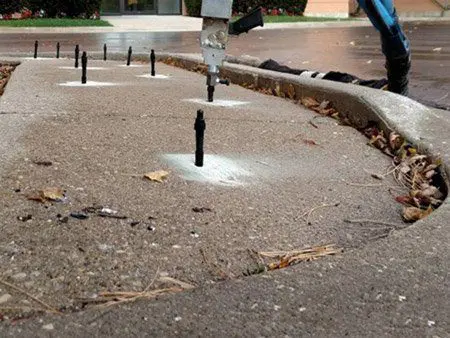
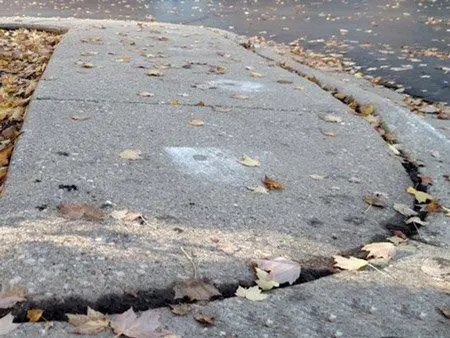
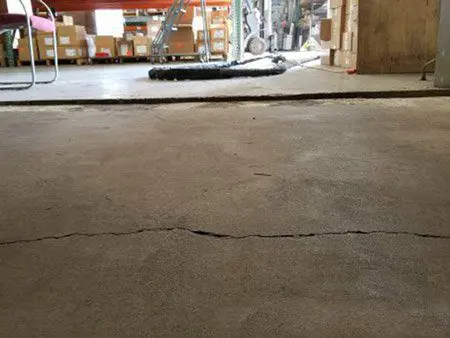
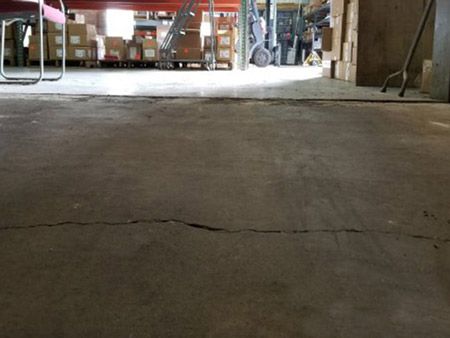
Concrete can settle when supporting soil consolidates, erodes near an edge, or changes volume through repeated wet and dry conditions. In Cary, sloped residential grades and runoff routes toward the Fox River valley can make drainage an important part of the evaluation. Acme checks slab condition, cracks, joints, adjoining elevations, edges, and surrounding grades before lifting. Polyurethane is placed through small ports beneath suitable concrete, filling accessible voids and raising the slab in controlled increments.
Cary properties range from established neighborhoods to newer residential areas with driveways and walks set on changing elevations. Our polyurethane concrete raising process targets support loss beneath suitable slabs while keeping the repair area compact.
The Estimate Guard Promise: Best Price. Best Warranty. Guaranteed. With Acme’s Estimate Guard, you never have to worry about overpaying for professional concrete raising. We guarantee a better price and a better warranty than any competitor—so you get the best overall value every time. It’s our commitment to fair pricing, quality workmanship, and long-lasting results.
Frequently Asked Questions
What settled concrete can be leveled in Cary?
Many driveways, walks, patios, garage floors, steps, stoops, and pool-deck sections can be evaluated if the slabs are in suitable condition.
How does polyurethane concrete leveling work?
Small holes are drilled, expanding material is placed beneath the slab, and the lift is monitored as accessible voids fill and support improves.
Can leveling remove a trip hazard completely?
It can often improve height differences substantially, but achievable alignment depends on cracks, adjoining structures, slab condition, and the cause of movement.
Why did concrete settle on a sloped Cary lot?
Possible causes include loose fill, drainage toward the slab, erosion at an edge, soil consolidation, or a combination of site conditions.
Should cracks be sealed after leveling?
Often, leveling comes first so joints and cracks reach their final position. Suitable crack or joint sealing can then be discussed separately.