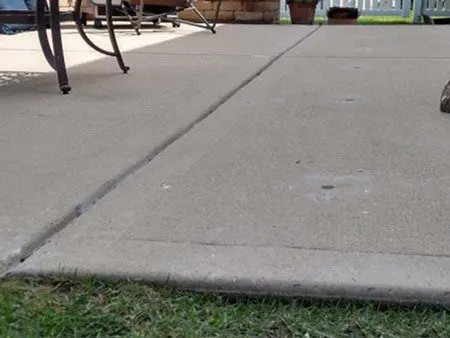
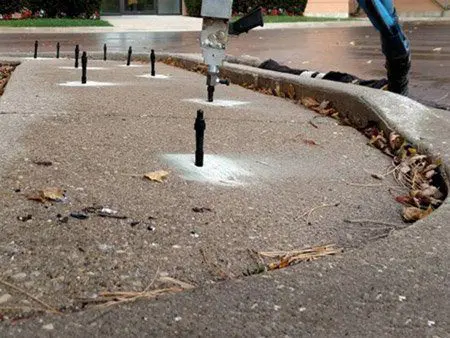
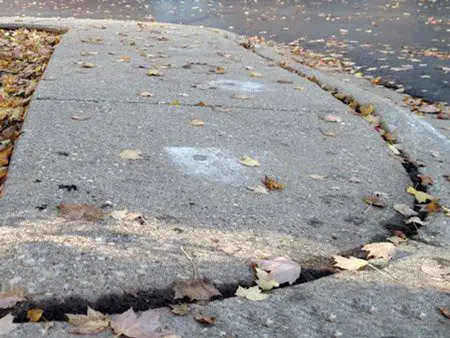
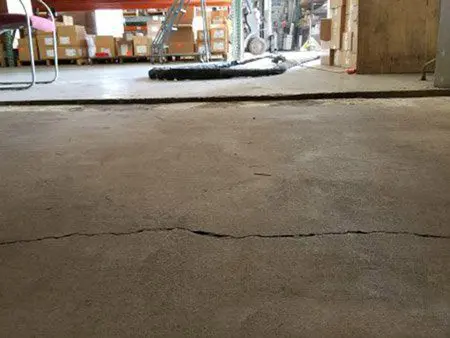
Clean, flexible joint sealant helps control where water and debris enter concrete flatwork. Acme provides caulking for residential, multifamily, and commercial surfaces throughout Cook County.
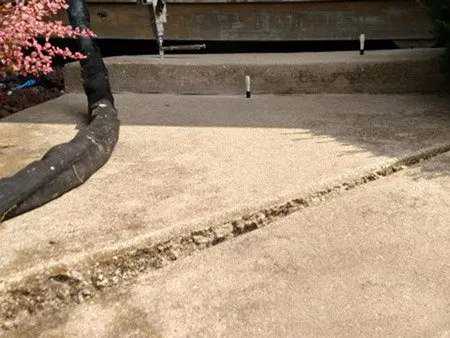
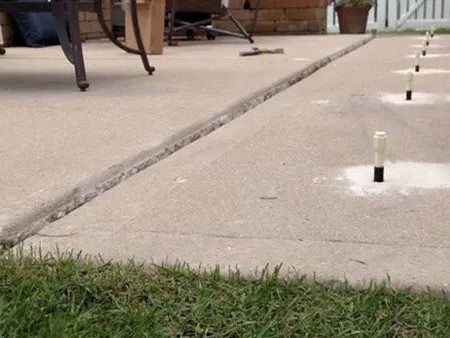
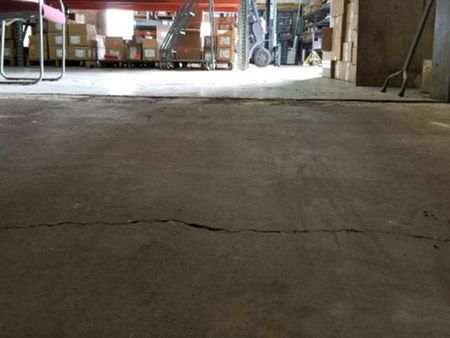
Across Cook County, concrete is exposed to traffic, runoff, deicing residue, summer heat, and winter freezing. Failed joints can collect material that restricts movement or allow water to reach vulnerable slab edges. Timely caulking supports the condition of driveways, sidewalks, patios, loading areas, and garage floors.
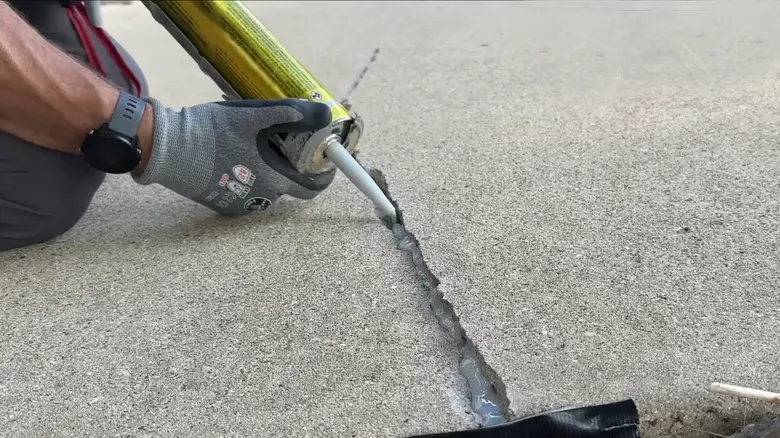
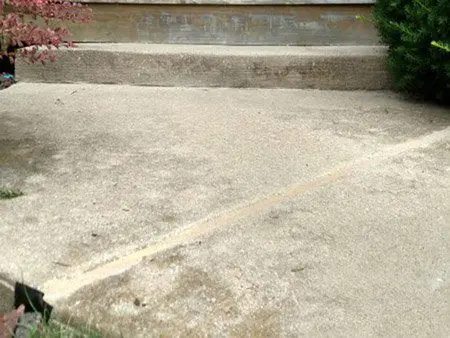
Effective sealing starts with preparation. We evaluate the opening, remove failed material and loose debris as appropriate, establish the correct sealant depth, and apply a flexible product. Learn how our concrete joint and crack sealing fits with leveling and other flatwork maintenance.
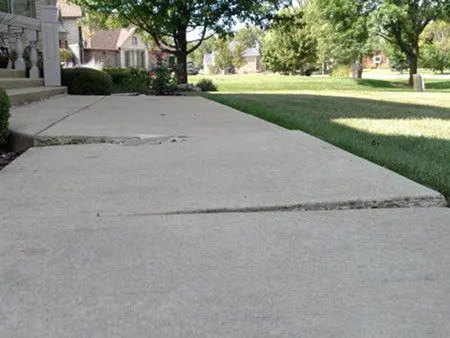
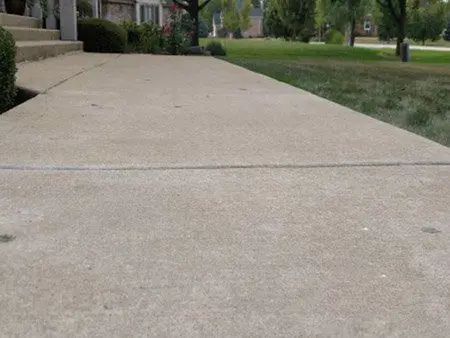
A narrow side walk in the city, a shared multifamily entrance, and a suburban driveway have different access and movement patterns. Our scope accounts for joint type, pedestrian or vehicle use, adjacent masonry, drainage, and any leveling that should be completed before the final seal is installed.
The Estimate Guard Promise: Best Price. Best Warranty. Guaranteed. With Acme’s Estimate Guard, you never have to worry about overpaying for professional concrete raising. We guarantee a better price and a better warranty than any competitor—so you get the best overall value every time. It’s our commitment to fair pricing, quality workmanship, and long-lasting results.
Frequently Asked Questions
What is the purpose of concrete caulking?
Concrete caulking creates a flexible seal that helps limit water, debris, and incompressible material from entering joints or suitable cracks. It supports maintenance but does not restore concrete that is structurally deteriorated.
Do all concrete cracks need flexible sealant?
No. Crack width, movement, depth, location, and the condition of the surrounding concrete matter. Some cracks are suitable for flexible sealing, while others may need a different repair or continued monitoring.
Can busy walkways or commercial areas be caulked?
Often, yes, if the area can be prepared and protected for the material’s required cure time. Access, pedestrian control, vehicle traffic, weather, and joint condition are reviewed when planning the work.
Should concrete be leveled before caulking?
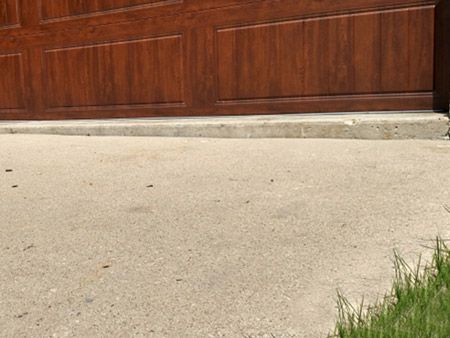
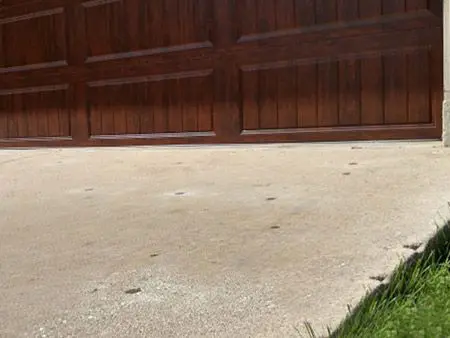
Usually, any needed lifting should be evaluated first. Raising a slab changes joint widths and panel alignment, so sealing after leveling often produces a more appropriate final joint profile.
How often should concrete joints be inspected?
Check joints periodically and after noticeable slab movement or severe seasons. Look for gaps, separation from the joint wall, splits, missing material, trapped debris, and areas where water consistently enters.