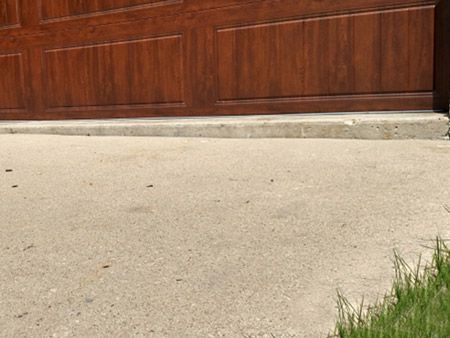
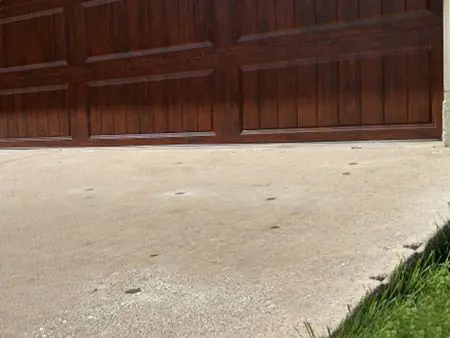
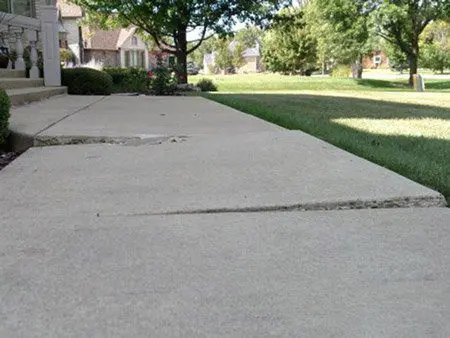
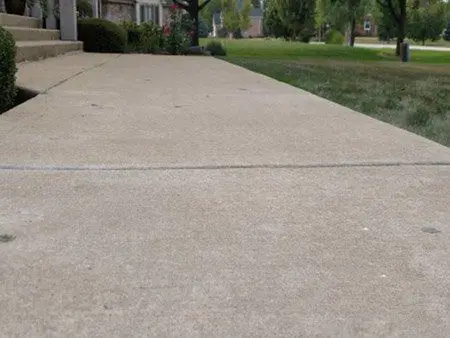
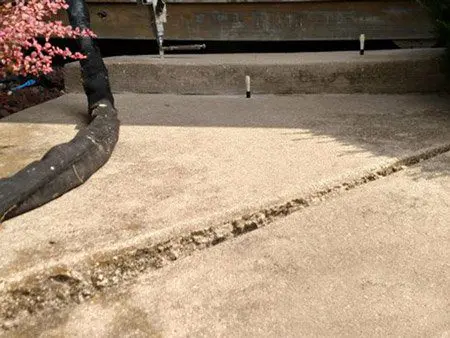
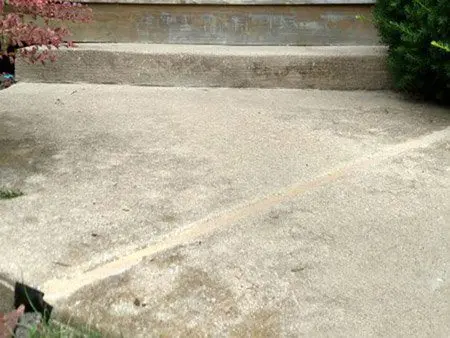
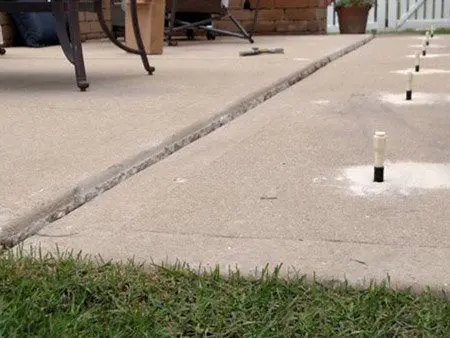
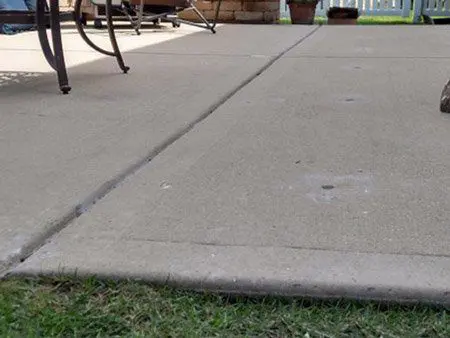
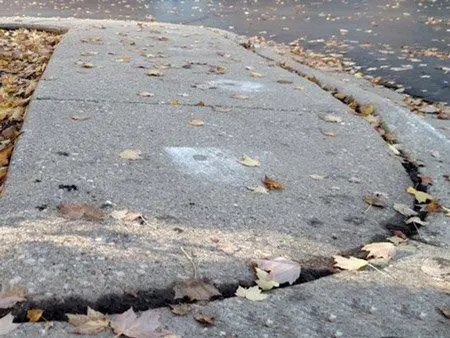
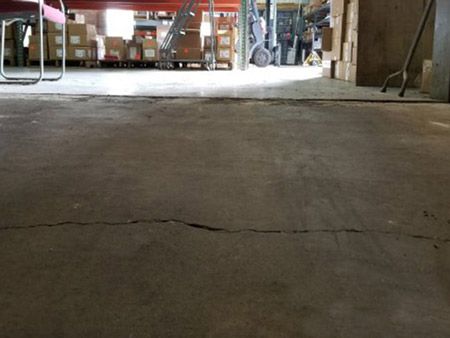
Sunken concrete creates trip edges, poor drainage, and rough transitions. Acme uses polyurethane lifting methods to restore supported slabs across Cook County with minimal disruption.
Cook County properties range from closely spaced urban lots to larger suburban homes, but uneven concrete causes the same everyday problems. Driveway panels can dip at the garage, sidewalks can hold water, and patios may begin directing runoff toward the building. Concrete leveling addresses the loss of support below an otherwise usable slab.
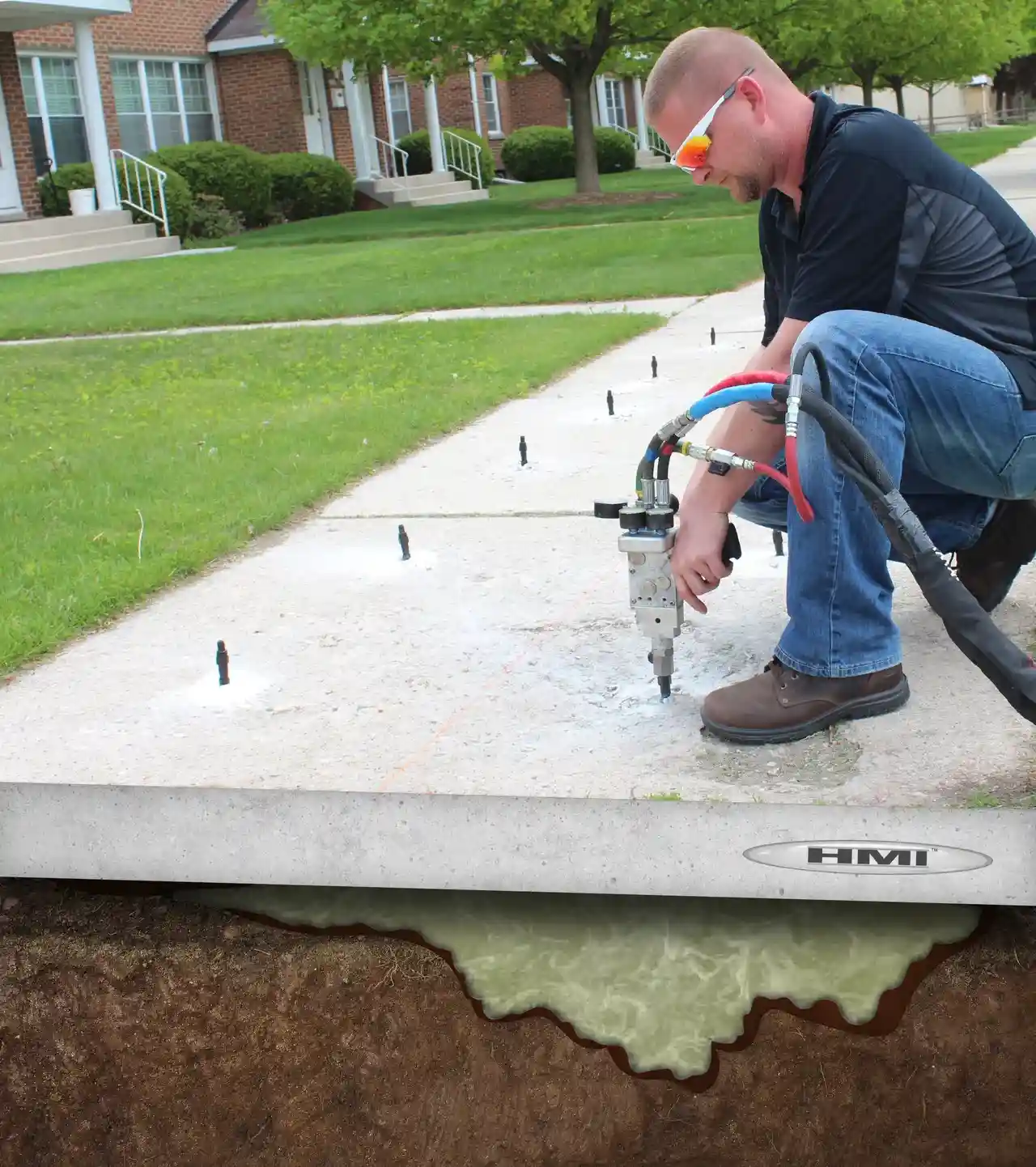
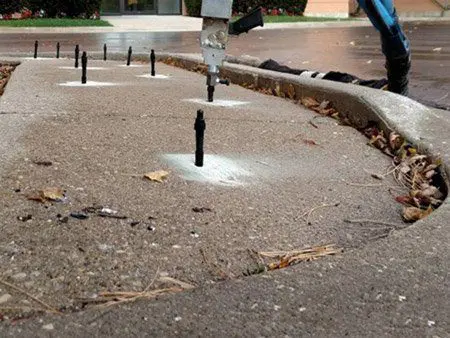
Our process begins by identifying the settled area, nearby drainage, cracks, joints, and the condition of the concrete. Small injection holes provide access beneath the slab, where expanding polyurethane fills voids and raises the panel in controlled steps. Explore our polyurethane concrete raising process to see how lifting compares with replacement.
Older flatwork, utility trenches, backfilled areas, heavy use, and repeated freeze and thaw can all contribute to movement. We assess each slab on its own conditions, whether it serves a home, multifamily property, storefront, or shared walkway. The goal is a smoother surface, better support, and drainage that works with the surrounding grade.
The Estimate Guard Promise: Best Price. Best Warranty. Guaranteed. With Acme’s Estimate Guard, you never have to worry about overpaying for professional concrete raising. We guarantee a better price and a better warranty than any competitor—so you get the best overall value every time. It’s our commitment to fair pricing, quality workmanship, and long-lasting results.
Frequently Asked Questions
What concrete can be leveled in Cook County?
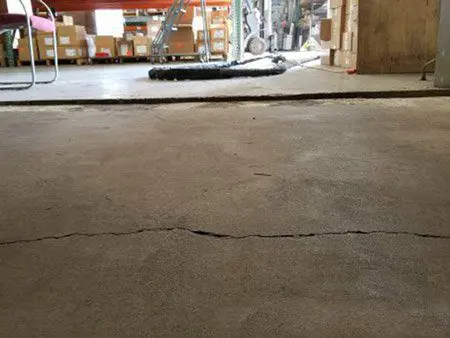
Many settled driveways, sidewalks, patios, garage floors, stoops, and similar slabs can be evaluated for lifting. The concrete should be structurally sound enough to move as a panel. Severely broken or deteriorated slabs may be better candidates for replacement.
Why does a concrete slab sink?
Settlement often begins when soil consolidates, water carries material away, or backfilled ground loses support. Freeze and thaw cycles, drainage patterns, and loads on the slab can add to the movement over time.
Will leveling close every crack?
Lifting can improve the alignment of cracks, but it does not erase them or make damaged concrete new. Crack and joint sealing may be recommended after the slab is positioned and stable.
How disruptive is polyurethane concrete leveling?
The process normally uses small drilled access points rather than removing the whole slab. The exact work area and access needs depend on the slab, surrounding landscaping, and the amount of correction required.
Should drainage be corrected after the slab is raised?
Yes, when runoff or downspout discharge contributed to settlement. Leveling restores support and elevation, while improved drainage helps reduce the chance that water continues affecting the soil beneath or beside the concrete.