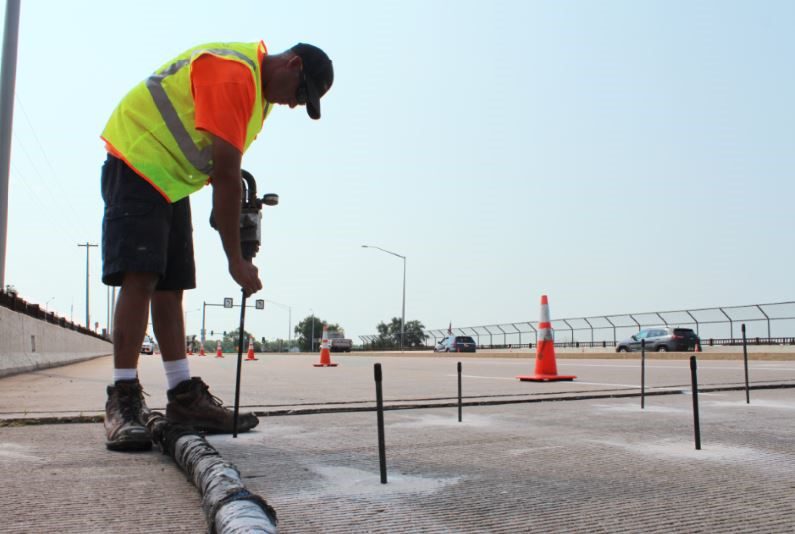
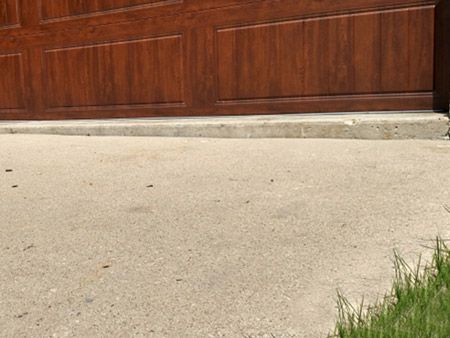
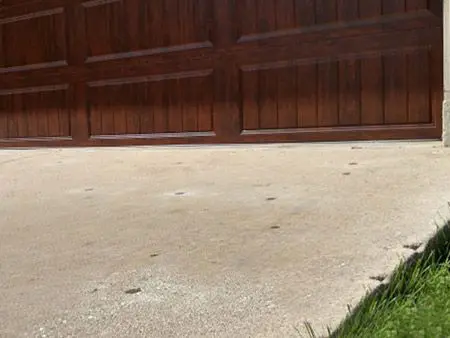
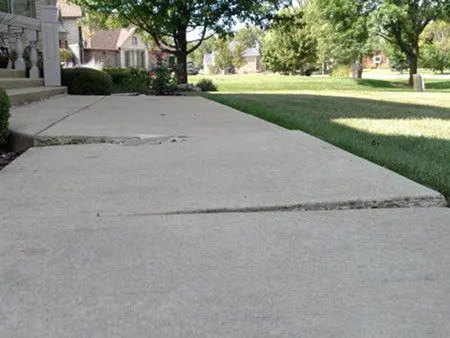
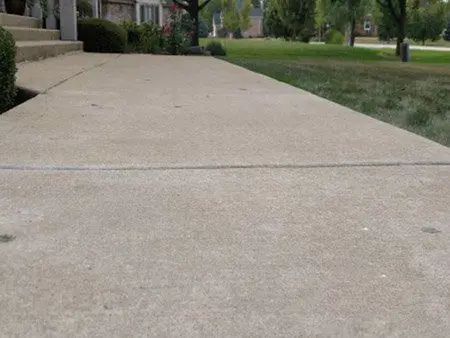
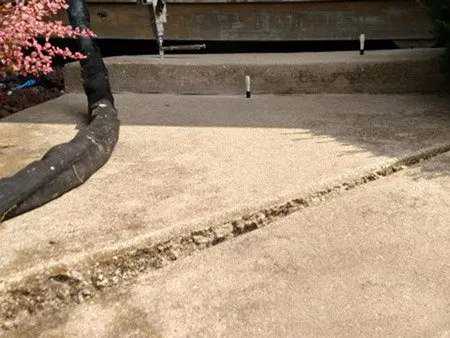
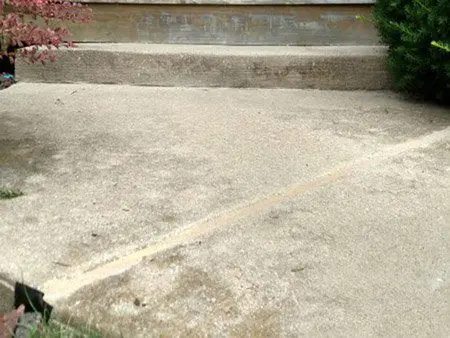
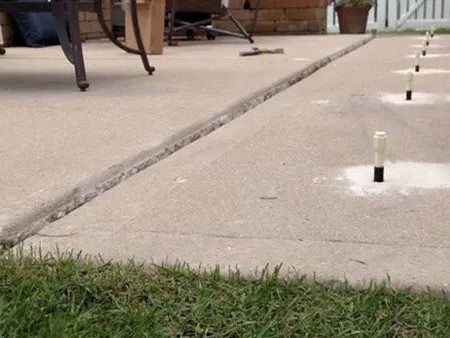
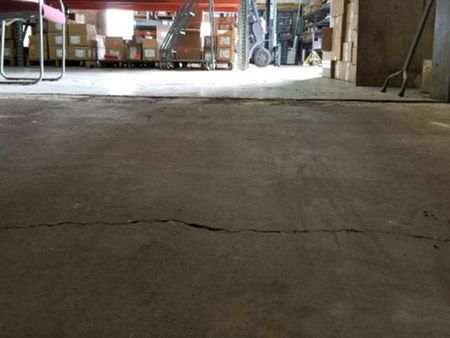
When settlement is tied to weak support below the slab base, a surface-only repair may leave the underlying problem untouched. Deep Foamjection targets selected soil zones beneath concrete in Cook County.
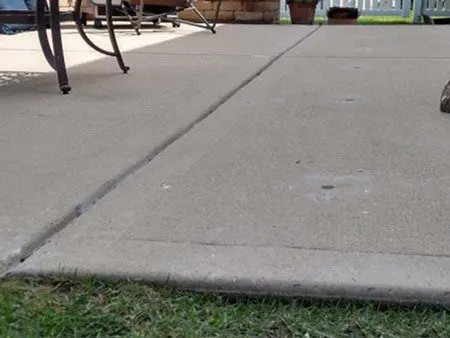
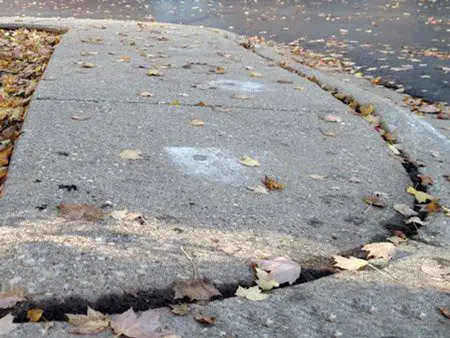
Cook County contains dense city blocks, suburban neighborhoods, commercial corridors, and properties with decades of utility work and redevelopment. A slab may lose support beside a trench, over variable fill, near a leaking drainage route, or where soil has consolidated at depth. The visible dip is only one part of the diagnosis.
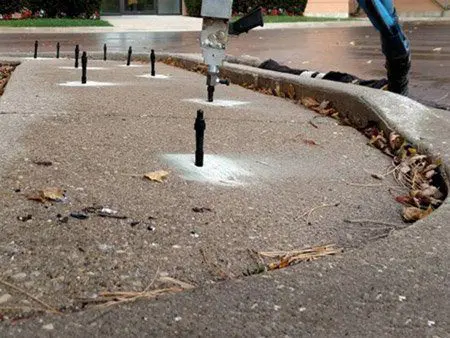
We review movement patterns, cracks, fixed edges, drainage, and site access before selecting injection points. Polyurethane is placed below the slab at planned depths, where expansion can fill hidden voids and improve support. Our guide to Deep Foamjection for subsurface stabilization explains the service in more detail.
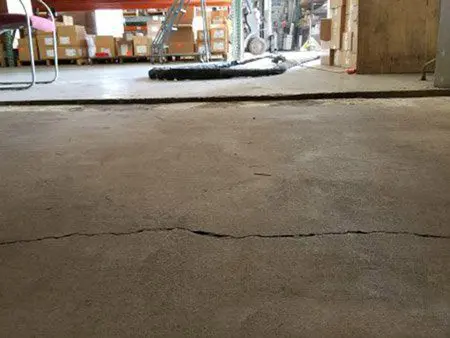
An urban service walk, a suburban garage floor, and a commercial loading area place very different demands on the concrete below them. Utilities, neighboring structures, traffic, and access can also affect the repair plan. We adapt the scope to the slab and its surroundings instead of using the same injection pattern everywhere.
The Estimate Guard Promise: Best Price. Best Warranty. Guaranteed. With Acme’s Estimate Guard, you never have to worry about overpaying for professional concrete raising. We guarantee a better price and a better warranty than any competitor—so you get the best overall value every time. It’s our commitment to fair pricing, quality workmanship, and long-lasting results.
Frequently Asked Questions
What signs suggest a deeper soil problem?
Recurring settlement, broad movement across several panels, visible voids, or displacement near backfilled areas can justify a deeper evaluation. These signs do not confirm the cause by themselves, so site conditions must be reviewed.
Can Deep Foamjection be used in tight Cook County properties?
It may be possible when there is safe access for the crew and equipment. Buildings, utilities, neighboring slabs, traffic control, and interior access all influence whether the method is practical for a particular location.
Is Deep Foamjection the same as filling a visible void?
No. Filling a shallow gap immediately under concrete is different from placing polyurethane into selected soil zones at depth. The recommended approach depends on where support has been lost.
Can the slab also be leveled during the project?
Deep stabilization and slab lifting may be combined when the conditions call for both. The sequence and amount of movement depend on concrete condition, fixed edges, elevations, and the desired drainage path.
What information is reviewed before treatment?
We look at the slab layout, crack pattern, amount and direction of movement, grade, drainage, nearby excavation, utilities, and access. Additional investigation may be recommended when the cause cannot be confirmed from visible conditions.