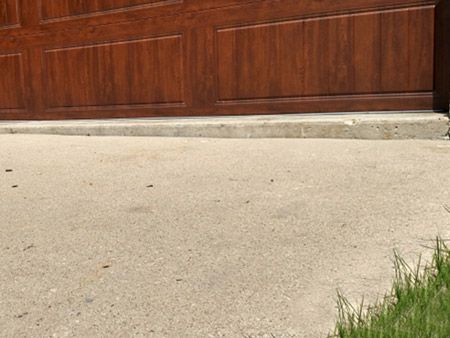
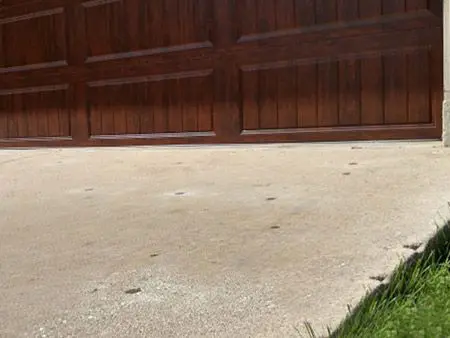
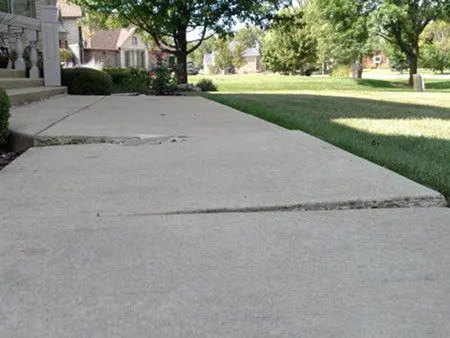
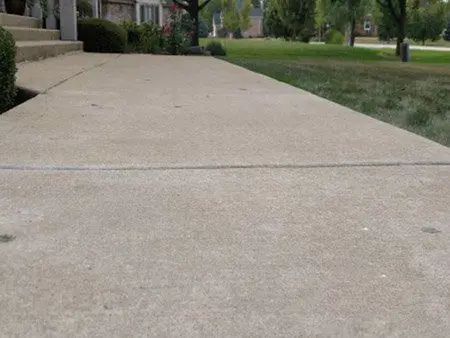
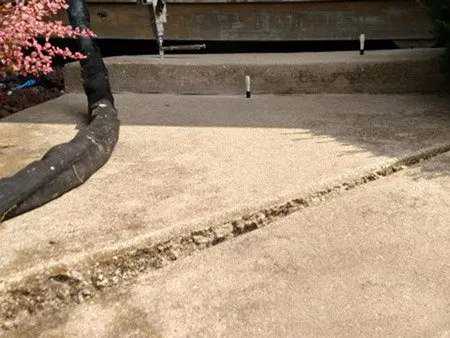
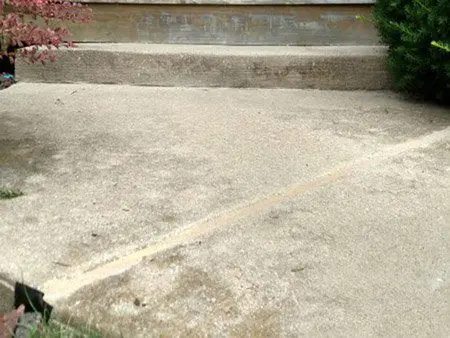
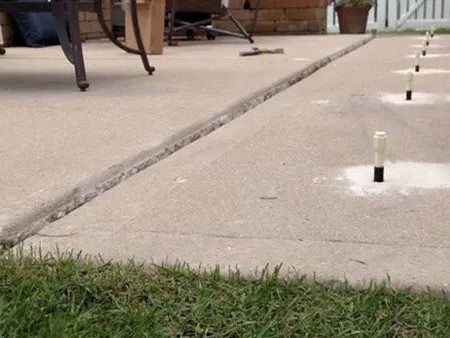
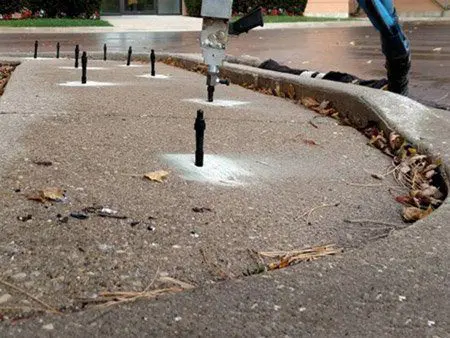
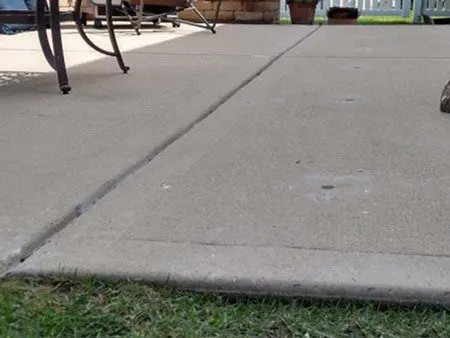
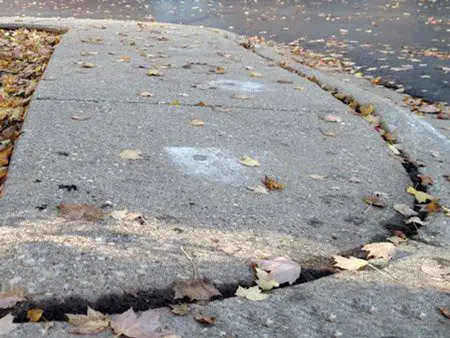
East Dundee developed along the Fox River, where riverfront properties, parks, downtown areas, tributary drainage, and changing water levels create demanding shoreline conditions. Soil can escape through wall joints or openings, leaving depressions, loose backfill, and unsupported concrete behind the visible structure.
Acme evaluates the wall, water access, erosion path, and nearby settlement before planning repair. When the existing wall remains suitable, targeted polyurethane injection can fill accessible voids and stabilize backfill with less disruption than broad excavation.
River levels, storm runoff, freeze-thaw cycles, and current can expose weak points in East Dundee shoreline walls. Our seawall repair approach considers both the empty space behind the wall and the opening that allowed soil to move.
The Estimate Guard Promise: Best Price. Best Warranty. Guaranteed. With Acme’s Estimate Guard, you never have to worry about overpaying for professional concrete raising. We guarantee a better price and a better warranty than any competitor—so you get the best overall value every time. It’s our commitment to fair pricing, quality workmanship, and long-lasting results.
Frequently Asked Questions
What are signs of seawall damage in East Dundee?
Common signs include sunken soil, recurring holes, open joints, wall movement, washed-out areas, and nearby concrete settlement. Changes that appear after high water deserve prompt evaluation.
Can polyurethane be used behind a river wall?
It can fill accessible voids behind a suitable existing wall. Water level, current, access, wall construction, and structural condition determine whether injection is practical.
Will injection stop all future erosion?
Void filling restores missing support, but an active opening or drainage problem may also need correction. The likely water path should be addressed to reduce repeated soil loss.
Can a badly leaning wall be stabilized this way?
A severely displaced or structurally failed wall may require engineering or reconstruction. Injection is intended for suitable void-filling and backfill-stabilization conditions.
Can riverfront concrete be raised during the repair?
Settled walks or patios can be evaluated separately. Shoreline soil loss should be handled first or in a coordinated sequence before the slab is lifted.