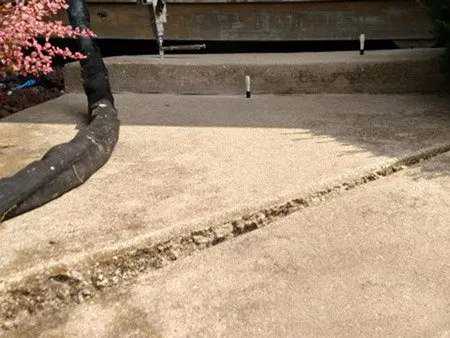
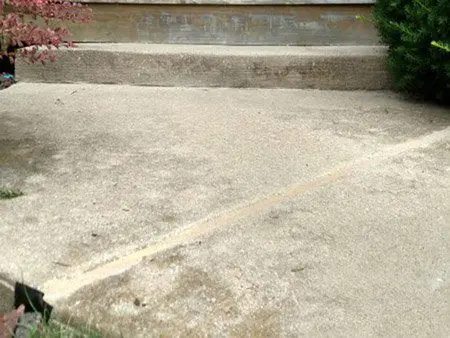
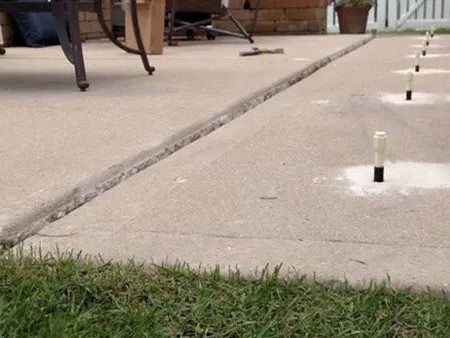
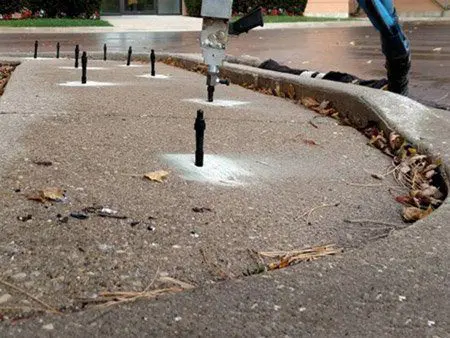
Elgin’s relationship with the Fox River brings riverfront walls, sloped banks, outlets, and changing water levels into the local repair picture. Properties away from the main river may also have pond walls or drainage-channel structures. Cracks, open joints, sunken soil, leaning sections, or erosion behind a wall can indicate that water is moving material out of the backfill.
Acme evaluates the visible wall and the space behind it before choosing an injection plan. Polyurethane can travel into accessible voids, bind loose soil, and help restore support without excavating the entire bank. Because river flow, outlet drainage, wall construction, and access vary, the recommended repair is based on the specific structure rather than a standard citywide treatment.
Fox River frontage differs from neighborhood ponds and constructed drainage channels, so wall material, water movement, and access must be reviewed together. Learn how our nearby seawall repair service addresses voids and unstable backfill.
The Estimate Guard Promise: Best Price. Best Warranty. Guaranteed. With Acme’s Estimate Guard, you never have to worry about overpaying for professional concrete raising. We guarantee a better price and a better warranty than any competitor—so you get the best overall value every time. It’s our commitment to fair pricing, quality workmanship, and long-lasting results.
Frequently Asked Questions
What are common signs of soil loss behind an Elgin wall?
Look for depressions, new gaps, cracked pavement, loose cap sections, vegetation sinking near the edge, or water carrying soil through wall joints.
Can polyurethane fill voids behind a river wall?
It may be suitable when the void is accessible and the wall remains repairable. River conditions, water paths, and structural movement must be evaluated first.
Does the Fox River water level affect repair timing?
It can. Access, active seepage, wall exposure, and current flow conditions may influence how and when the work is performed.
Will injection straighten a severely leaning seawall?
Not necessarily. Injection can restore missing support, but a substantially displaced wall may require structural correction, rebuilding, or engineering input.
How can repaired backfill be protected from future washout?
The plan may include sealing pathways and reviewing drainage or outlets. Ongoing water sources must be managed to reduce renewed soil movement.