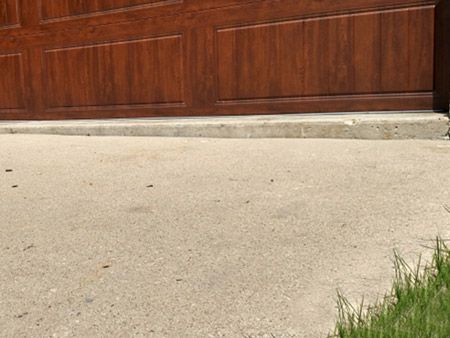
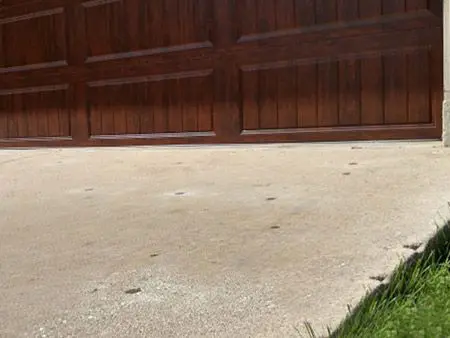
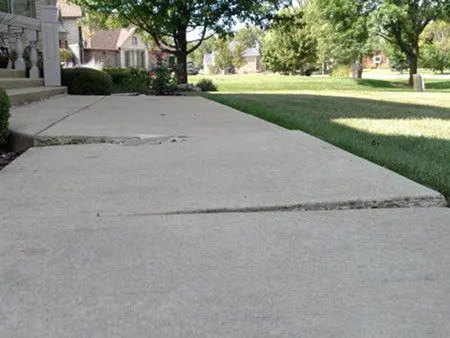
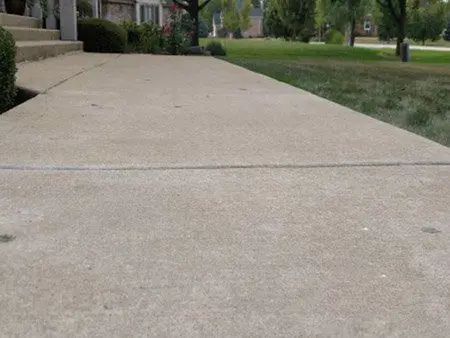
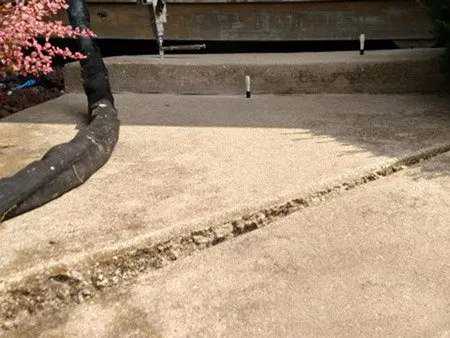
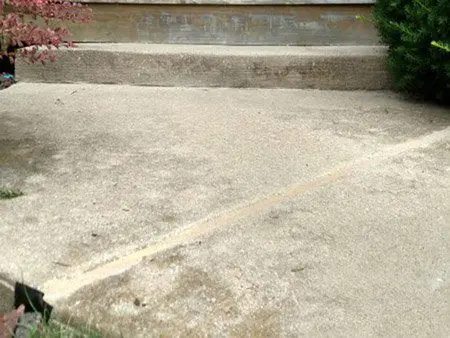
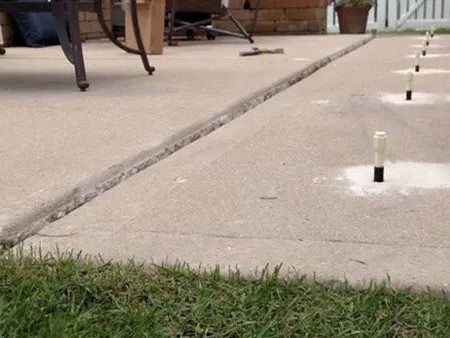
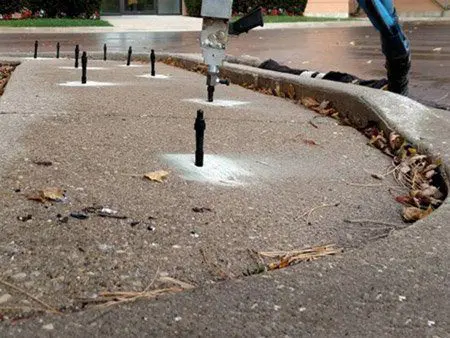
Water movement can carry soil away from the landward side of a seawall, leaving voids beneath walks, patios, and shoreline flatwork. Acme uses targeted polyurethane methods to restore support where conditions allow.
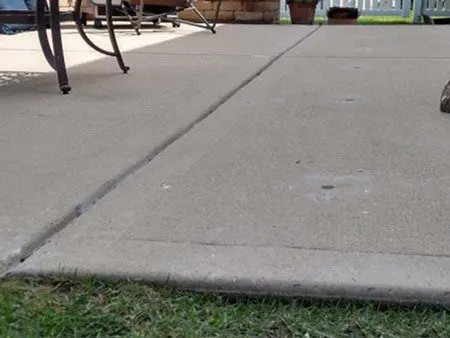
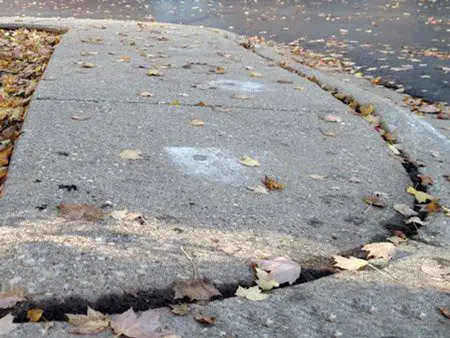
Properties along the Fox River Valley experience changing water levels, runoff, boat activity, and repeated wetting and drying at the shoreline. When joints or openings let soil migrate, the first warning may be a sunken walkway, a hollow area behind the wall, or a growing gap at the concrete edge.
We inspect the visible wall, adjacent slabs, drainage routes, erosion pattern, and accessible shoreline before recommending treatment. Polyurethane can be injected into selected voids behind or beneath the affected area to improve support with limited excavation. See our polyurethane approach to seawall repair for more information.
A seawall with soil loss behind it requires a different plan from a wall that is leaning, fractured, or structurally failing. Our scope focuses on void filling, soil stabilization, and related concrete settlement where foam injection is suitable. Structural reconstruction, drainage corrections, and permits may require coordination with the appropriate specialists or agencies.
The Estimate Guard Promise: Best Price. Best Warranty. Guaranteed. With Acme’s Estimate Guard, you never have to worry about overpaying for professional concrete raising. We guarantee a better price and a better warranty than any competitor—so you get the best overall value every time. It’s our commitment to fair pricing, quality workmanship, and long-lasting results.
Frequently Asked Questions
What seawall problems can polyurethane address?
Polyurethane may be used to fill accessible voids, improve support in eroded backfill, and stabilize certain settled concrete areas behind a seawall. It does not rebuild a wall that has major structural failure.
Why does soil disappear from behind a seawall?
Water can move through joints, cracks, penetrations, drainage paths, or gaps at the wall. Runoff from the property and changing water conditions may also carry fine soil into open spaces over time.
Can a sunken patio near the river be raised during the repair?
Possibly. The patio condition, wall stability, drainage, access, and amount of lost support must be evaluated together. Lifting is planned only when the slab can move safely and has adequate structural integrity.
Are permits required for Fox River Valley seawall work?
Requirements vary by location and project scope. The Fox Waterway Agency notes that seawall permitting questions may involve the Illinois Department of Natural Resources, the U.S. Army Corps of Engineers, and local authorities.
How can I reduce future soil loss behind the wall?
Keep surface runoff from concentrating at the shoreline, maintain appropriate joints and drainage outlets, and monitor gaps after storms or changing water levels. The right measures depend on how water moves through the property.