Shoreline and Drainage Wall Repair in Franklinville
Franklinville Creek crosses this unincorporated McHenry County setting, where runoff also moves through roadside ditches, culverts, farm drainage, and private ponds. A concrete wall or reinforced edge can develop hidden voids when water carries soil through a joint, penetration, or opening below the structure.
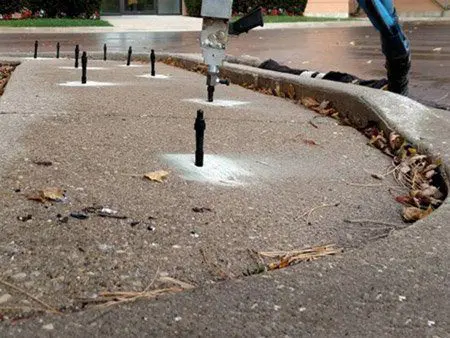
Acme inspects visible wall movement, depressions in the backfill, likely washout paths, and practical access. When the structure remains suitable, polyurethane injection can fill reachable voids and stabilize loose soil with limited surface disturbance.
Repairing Water-Control Structures Near Franklinville Creek
Franklinville repairs may involve creek edges, pond walls, culvert approaches, or drainage structures rather than a conventional lakefront seawall. Our seawall stabilization process focuses on the actual wall, the missing support, and the route water follows across the property.
We proudly repair seawalls throughout Franklinville and nearby communities, including:
The Estimate Guard Promise: Best Price. Best Warranty. Guaranteed. With Acme’s Estimate Guard, you never have to worry about overpaying for professional concrete raising. We guarantee a better price and a better warranty than any competitor—so you get the best overall value every time. It’s our commitment to fair pricing, quality workmanship, and long-lasting results.
Frequently Asked Questions
Do Franklinville properties have structures that function like seawalls?
Yes. Creek walls, pond edges, culvert approaches, and concrete drainage structures can retain soil like a shoreline wall. The repair approach depends on their design and condition.
What does a void behind the wall look like?
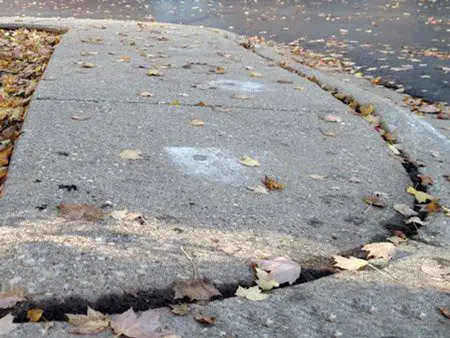
It may appear as a dip, soft area, recurring hole, separated joint, or unsupported slab near the edge. The wall face can still look upright while soil is being lost behind it.
Can injection stop erosion from a broken pipe?
Void filling restores support but does not repair an active pipe leak. A damaged culvert, outlet, or drain connection should be corrected so water does not continue removing soil.
Is excavation always required?
Not when the wall and accessible voids are appropriate for injection. Small access points can limit excavation, but structural failure or unreachable damage may require open repair.
Can concrete beside the wall be raised?
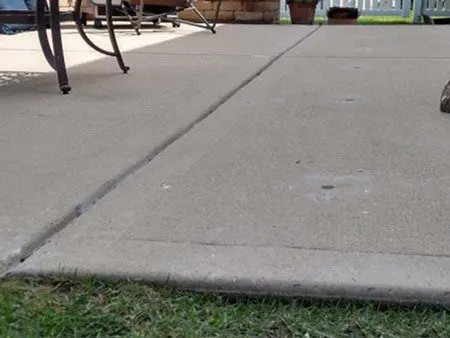
Nearby walks or pads may be evaluated separately. The soil-loss source should be handled first or in a coordinated sequence so lifted concrete is not supported over continuing erosion.