CONCRETE CAULKING IN GRAYSLAKE

Protect concrete joints from lake-area moisture, winter grit, weeds, and debris across Grayslake driveways, walks, patios, and entries.
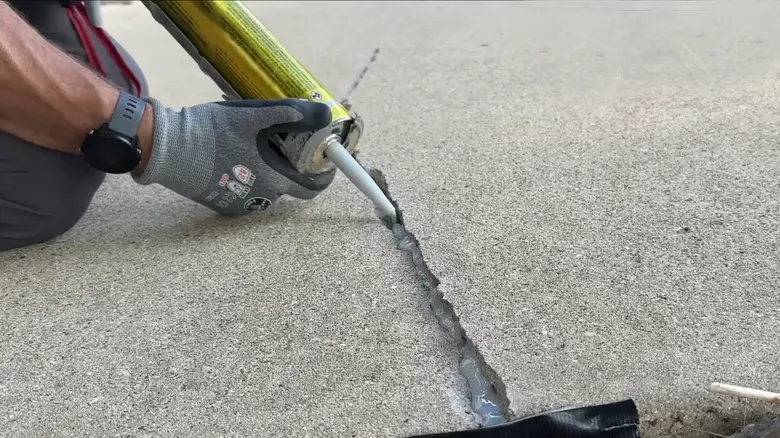
A person wearing gloves is applying sealant from a tube to fill a crack in a concrete surface, demonstrating professional Concrete Caulking in Prairie Grove.

Concrete Joint Protection for Grayslake Conditions

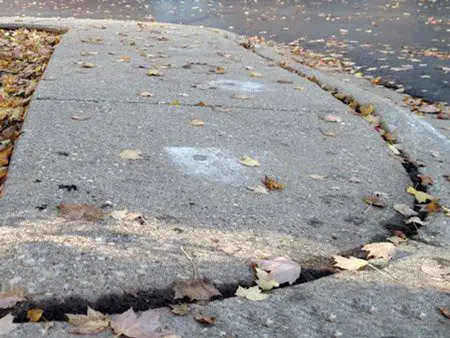
Grayslake properties include established neighborhoods, newer subdivisions, commercial areas, and lots shaped by lakes and managed drainage. Open joints can trap road grit, soil, leaves, and vegetation while allowing water to reach the slab base before winter freezing. Acme removes failed sealant and loose material, cleans the joint edges, establishes the proper depth with backing when needed, and installs flexible exterior caulk. Uneven slabs, active washout, and deteriorated edges are addressed separately.
Polyurethane Concrete Raising is All We Do!

Why Grayslake Property Owners Choose Acme

Caulking for Lake-Area Moisture and Winter Exposure

Low grades and managed drainage can keep certain joints wet or filled with fine debris. Our professional concrete caulking protects suitable seams while allowing normal seasonal slab movement.

Call today for a FREE Estimate!

The Estimate Guard Promise: Best Price. Best Warranty. Guaranteed. With Acme’s Estimate Guard, you never have to worry about overpaying for professional concrete raising. We guarantee a better price and a better warranty than any competitor—so you get the best overall value every time. It’s our commitment to fair pricing, quality workmanship, and long-lasting results.

Frequently Asked Questions

Why seal concrete joints before winter in Grayslake?

Keeping water and debris out of prepared joints can reduce direct moisture entry before repeated freezing and thawing.
Grit can pack into an open seam and interfere with movement. It must be removed before new sealant is applied.
No. Caulking closes the joint, but pooling caused by slab slope, settlement, or broader drainage needs separate correction.
Often, yes. Moisture exposure, joint type, traffic, and the connection to the pool or deck system should be reviewed first.
The joint is prepared and backing may be placed to control depth and shape, allowing the sealant to perform as intended.