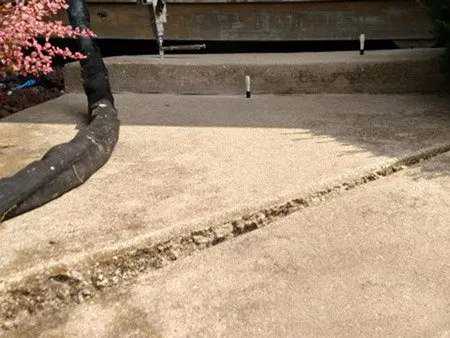
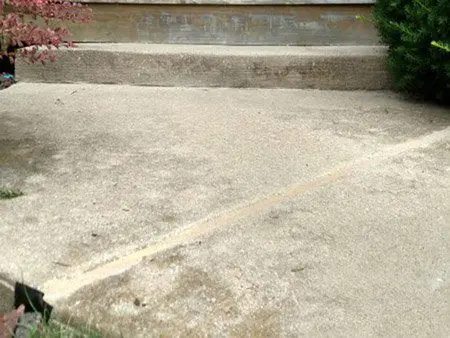
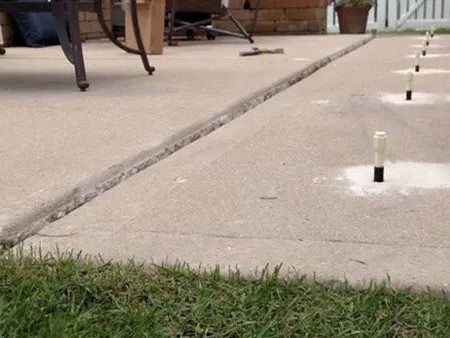
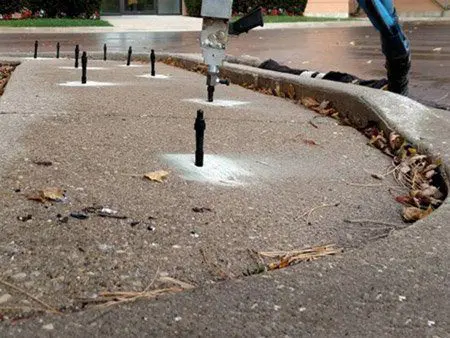
Grayslake is shaped by its namesake lake and a broader landscape of nearby lakes, wetlands, ponds, and stormwater systems. A retaining or shoreline wall in this setting may develop open joints, settled backfill, cap movement, or erosion at the base. These symptoms often point to water moving through or around the structure and carrying fine soil away.
Acme’s stabilization process targets the missing support behind repairable walls. Polyurethane is injected through small access points to fill voids and strengthen loose backfill where conditions allow. Wall material, lake or pond exposure, wetland drainage, adjacent pavement, and outlet locations all affect the plan. Structural failure and active drainage defects are identified rather than concealed.
Stabilization Near Grays Lake, Ponds, and Wetlands
A wall bordering Grays Lake can face different pressures than one beside a detention pond or drainage channel. Our seawall repair method is adjusted to the structure, water source, surrounding soil, and available access.
The Estimate Guard Promise: Best Price. Best Warranty. Guaranteed. With Acme’s Estimate Guard, you never have to worry about overpaying for professional concrete raising. We guarantee a better price and a better warranty than any competitor—so you get the best overall value every time. It’s our commitment to fair pricing, quality workmanship, and long-lasting results.
Frequently Asked Questions
What indicates a Grayslake wall has lost backfill?
Sunken soil, hollow areas, gaps beside pavement, loose caps, or sediment appearing through wall joints can indicate hidden washout.
Can polyurethane be used beside a lake or wetland?
It may be appropriate for accessible voids after water movement, wall condition, and environmental constraints are reviewed at the site.
Does sealing the visible joint solve the entire problem?
Not always. Missing backfill, drainage pressure, base erosion, or structural movement may also need attention for a complete repair plan.
Can stabilization protect nearby concrete walks or patios?
Filling voids can restore support beside a repairable wall, but any settled concrete should be evaluated separately for lifting or joint repair.
How is the repair scope determined?
The crew reviews wall type, movement, water exposure, void extent, outlets, grades, and access before recommending injection or another solution.