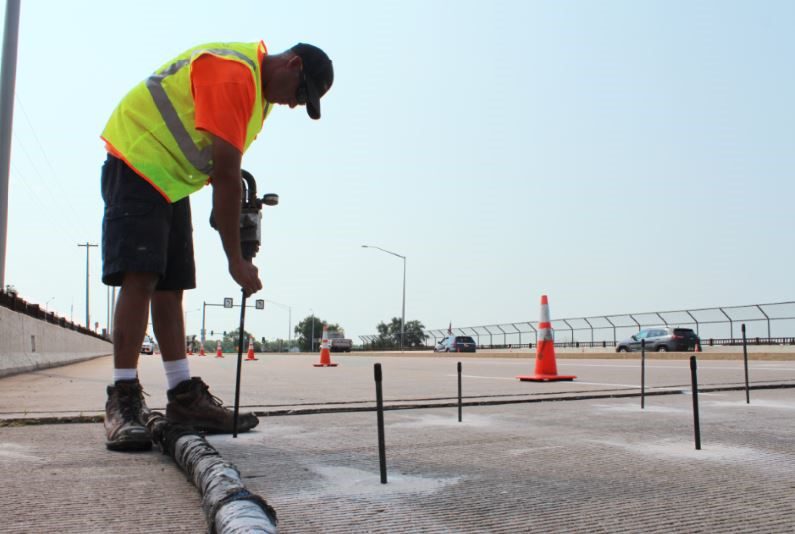
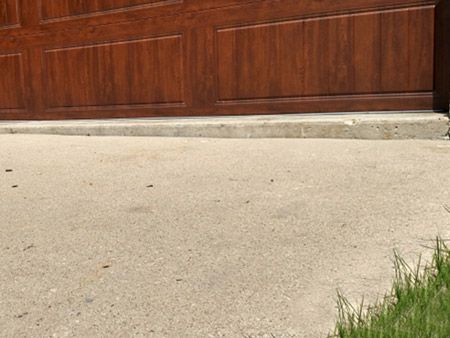
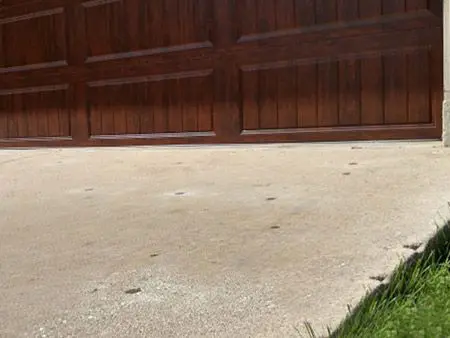
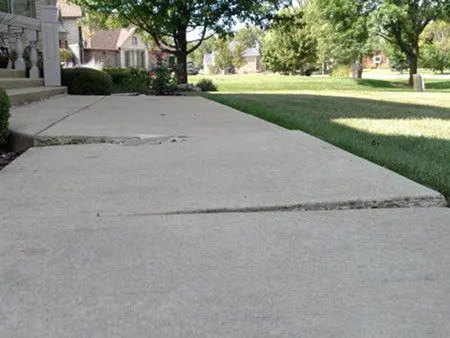
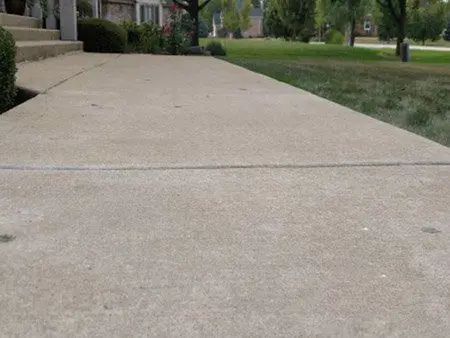
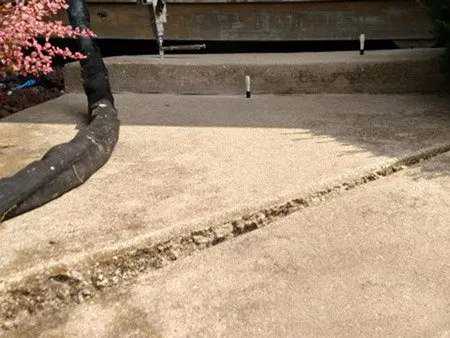
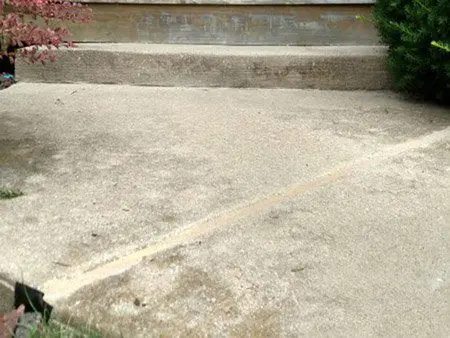
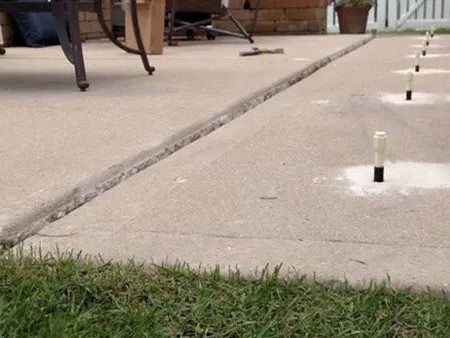
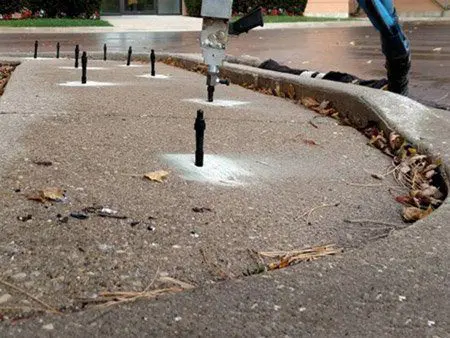
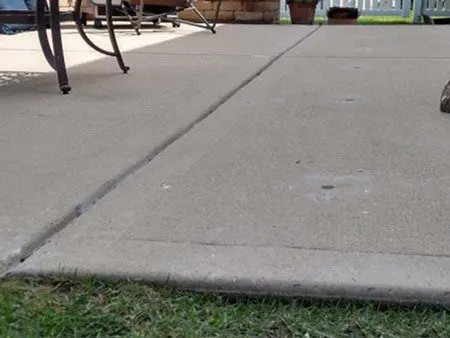
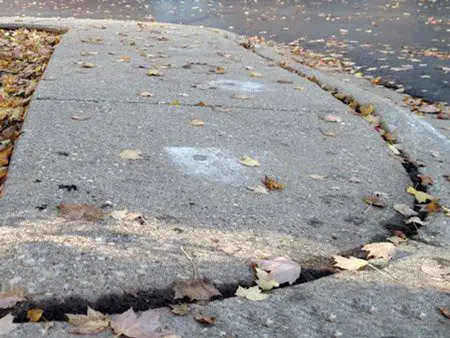
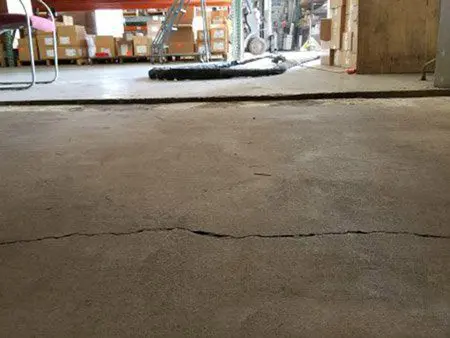
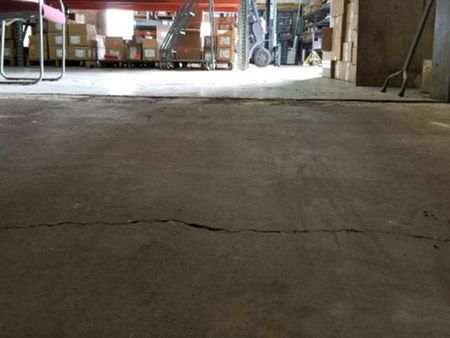
Hampshire’s mix of established properties and active development can produce different settlement patterns. Deep Foamjection targets selected soil zones when support loss extends below the slab base.
Support for Settlement Beneath Newer and Older Slabs
Hampshire combines a historic center and rural landscape with expanding residential, commercial, and industrial areas. Concrete may cross construction fill, former excavation, utility trenches, or soil that responds differently across a large slab. Deep treatment is considered when the visible movement suggests a support problem below the shallow base.
We review the slab layout, crack pattern, grade, drainage, loads, and available access before selecting injection depths. Expanding polyurethane can fill voids and improve support in targeted zones without adding heavy cement-based material. Read how Deep Foamjection addresses deep support loss beneath concrete.
Different Properties Require Different Injection Plans
A residential garage floor, a commercial service area, and an outbuilding slab have different loads, edges, and access constraints. We tailor the scope to the use of the concrete and the evidence below it, then coordinate conventional lifting if elevation correction is also appropriate.
The Estimate Guard Promise: Best Price. Best Warranty. Guaranteed. With Acme’s Estimate Guard, you never have to worry about overpaying for professional concrete raising. We guarantee a better price and a better warranty than any competitor—so you get the best overall value every time. It’s our commitment to fair pricing, quality workmanship, and long-lasting results.
Frequently Asked Questions
Why might newer Hampshire concrete settle?
New construction can include utility trenches, foundation backfill, and placed fill that behaves differently from undisturbed soil. Drainage and loading also matter, so the cause should be evaluated rather than assumed from the slab’s age.
Can Deep Foamjection be used for commercial concrete?
Potentially. The slab condition, loads, operations, utilities, access, and ability to protect the work area must be reviewed. Some sites may need phased work or additional engineering input.
How deep is the polyurethane injected?
There is no single depth for every project. Injection depth is selected from the settlement pattern, known site conditions, slab layout, and the location of the suspected void or weak soil zone.
Can deep treatment and concrete lifting happen together?
Yes, when both support improvement and elevation correction are appropriate. The sequence is planned around fixed structures, slab integrity, final drainage, and the amount of safe movement available.
What conditions may rule out Deep Foamjection?
Severely deteriorated concrete, unsafe access, unknown embedded systems, structural foundation movement, or an unconfirmed cause can change the recommendation. Another repair or further investigation may be more appropriate.