Address voids behind Hampshire pond, detention, and water-retaining walls with targeted stabilization. Match the repair to wall condition, open drainage, and site access.
Water-Retaining Wall Repair for Hampshire Properties
Hampshire combines an established village core, newer subdivisions, commercial growth, rural edges, and agricultural land. Detention ponds, farm ponds, and landscaped water features may include walls or reinforced edges where runoff and failed joints allow retained soil to escape.
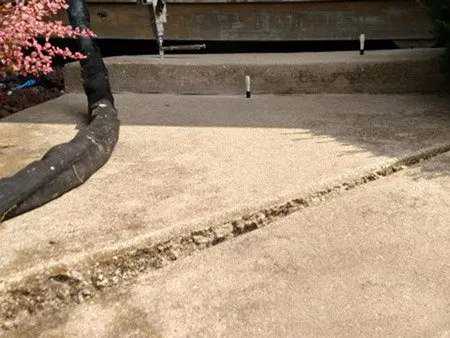
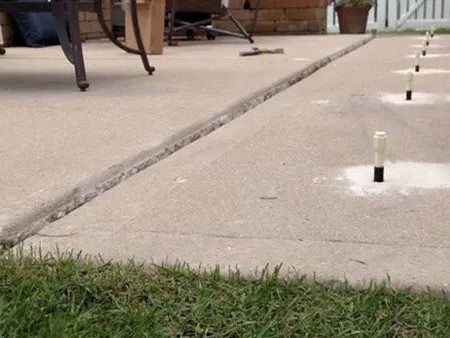
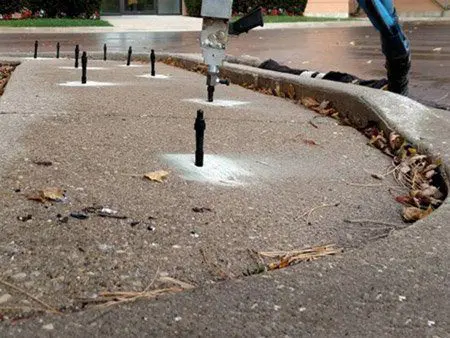
Our seawall and void repair method begins with the structure and water path. When the wall remains suitable for stabilization, polyurethane can be placed through targeted points to fill accessible voids and support ground behind the affected area.
A Hampshire project near a subdivision pond may require coordination around paths, fences, and shared landscaping, while a rural pond can involve long access and open grades. We adapt the plan to those differences and identify when structural or drainage work is outside the injection scope.
The Estimate Guard Promise: Best Price. Best Warranty. Guaranteed. With Acme’s Estimate Guard, you never have to worry about overpaying for professional concrete raising. We guarantee a better price and a better warranty than any competitor—so you get the best overall value every time. It’s our commitment to fair pricing, quality workmanship, and long-lasting results.
Frequently Asked Questions
What Hampshire water-retaining structures can be evaluated?
Detention pond walls, farm-pond edges, landscape retaining walls near water, and similar structures may be reviewed. Suitability depends on wall condition, access, and the location of soil loss.
How can soil loss appear behind a pond wall?
Look for depressions, holes, loose backfill, washed joints, or settlement in nearby paths and slabs. These signs help identify where material may be escaping.
Can polyurethane reduce the need for excavation?
Targeted injection can sometimes fill localized voids through small access points. Large structural failures, widespread erosion, or drainage reconstruction may still require excavation.
Is a detention pond wall repaired the same way as a farm-pond wall?
Not automatically. Wall design, ownership, access, water-level control, permits, and surrounding use can differ. The repair plan must reflect the specific structure.
What happens if the wall is structurally damaged?
Leaning, bowing, severe cracking, or displaced sections may need engineering and reconstruction. Soil stabilization can support retained material but cannot replace a failed wall.