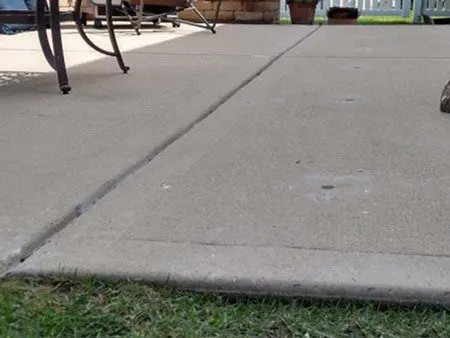
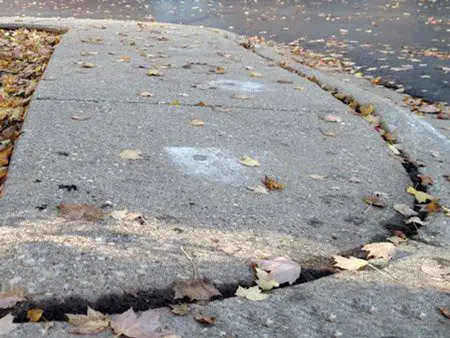
Stabilize soil loss behind Hanover Park pond and water-retaining walls with a repair plan based on the structure, void pattern, drainage, and site access.
Hanover Park contains stormwater reservoirs, detention areas, ponds, and stream corridors connected to the West Branch DuPage River system. Where a retaining wall meets water or manages a pond edge, open joints and runoff can carry soil away from behind the structure and leave hidden voids.Hanover Park properties often experience shifting soil, fluctuating water levels, and natural shoreline pressure that weaken seawalls over time. Cracks, leaning, bowing, or soil washout behind the structure indicate that professional repair is needed before the damage worsens.
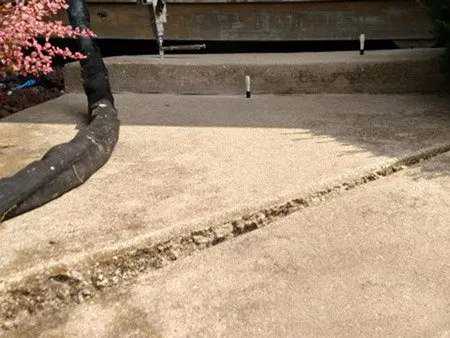
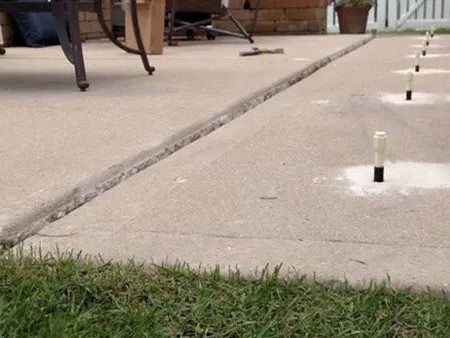
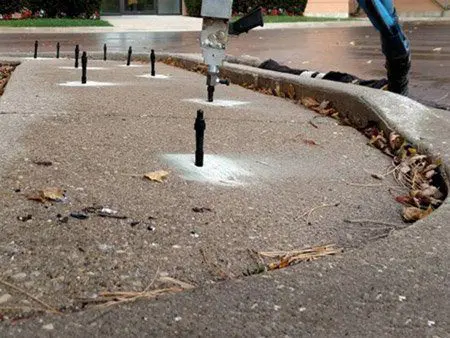
Our seawall repair approach starts by identifying where backfill is escaping and whether the wall remains suitable for stabilization. Polyurethane may be placed through targeted access points to fill reachable voids and support retained soil without excavating the entire edge.
Inland Wall Repair Based on Actual Site Conditions
Not every Hanover Park pond wall is a traditional seawall, and stabilization is not a substitute for structural reconstruction. We review wall material, displacement, joints, water level, yard access, and drainage before defining whether void filling fits the condition.
The Estimate Guard Promise: Best Price. Best Warranty. Guaranteed. With Acme’s Estimate Guard, you never have to worry about overpaying for professional concrete raising. We guarantee a better price and a better warranty than any competitor—so you get the best overall value every time. It’s our commitment to fair pricing, quality workmanship, and long-lasting results.
Frequently Asked Questions
Are all Hanover Park pond walls considered seawalls?
No. Some are landscape retaining walls, detention structures, or engineered pond edges. The first step is identifying the structure and determining what type of repair is appropriate.
What signs suggest soil is escaping behind a wall?
Depressions, holes, washed-out joints, loose backfill, or settlement in nearby paths can indicate soil migration. The source and extent should be evaluated before filling the void.
Can polyurethane repair a leaning wall?
Polyurethane can fill accessible voids and stabilize soil, but it does not rebuild a structurally failed wall. Significant leaning, cracking, or displacement may require an engineer or wall contractor.
Does the entire pond edge need to be excavated?
Not always. Targeted injection may reach localized voids through small access points. Broader excavation may still be necessary when the wall or drainage system has major defects.
How is a Hanover Park wall repair planned?
We review wall material, water exposure, openings, soil-loss paths, access, nearby slabs, and structural condition. Those observations determine whether injection belongs in the repair scope.