Restore Support Where Shoreline Backfill Has Escaped
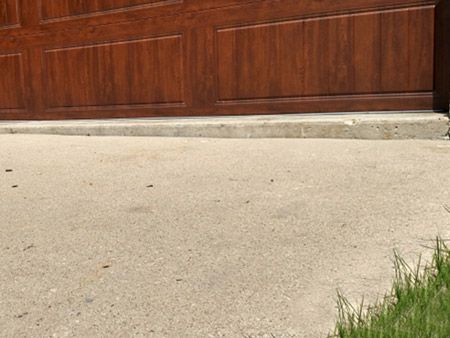
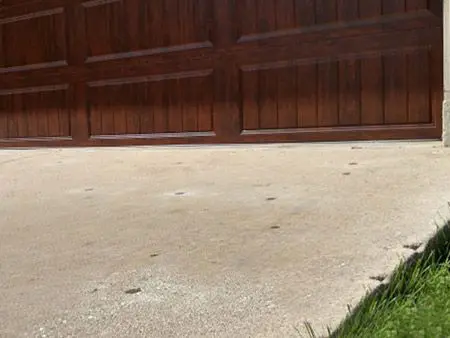
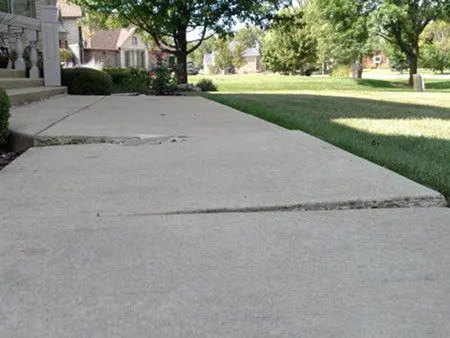
Gaps behind a seawall can develop when fluctuating water, boat wake, runoff, open joints, or penetrations create a route for fine soil to move. The first visible sign may be a depression in the yard, a void below a walk, or loose backfill along the wall.
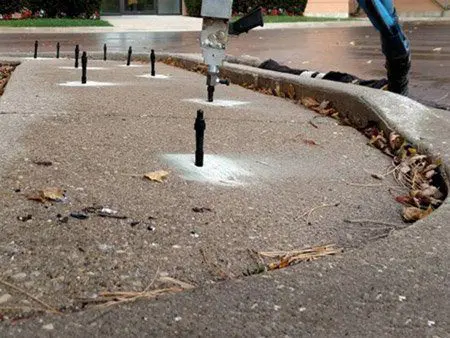
Our seawall void repair approach places expanding polyurethane into selected subsurface spaces to improve support. It is not a substitute for rebuilding a failed wall, correcting a major drainage source, or obtaining required shoreline approvals.
Ingleside includes unincorporated lake neighborhoods within the Chain O’Lakes and Fox River watershed. Shoreline types, access, ownership, water levels, and agency requirements can vary from one property to the next. We assess the constructed wall, adjacent surfaces, and drainage before recommending injection, and property owners should confirm applicable county, state, association, or waterway approvals.
Voids behind concrete, block, or steel walls
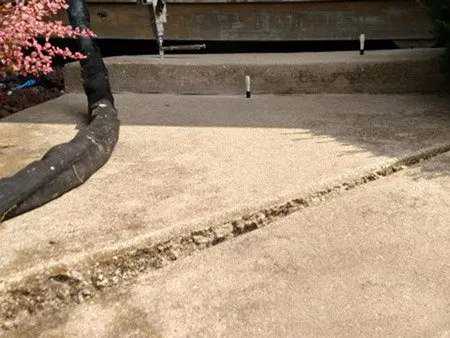
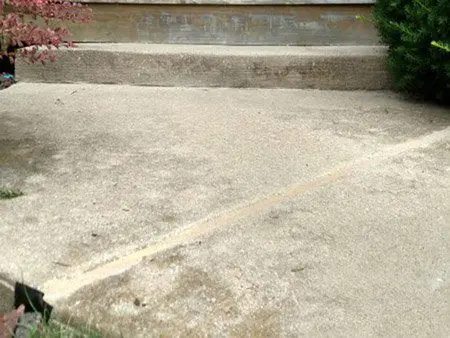
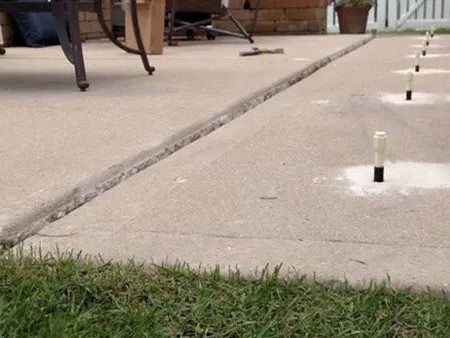
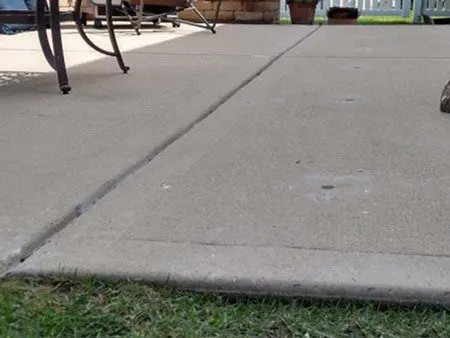
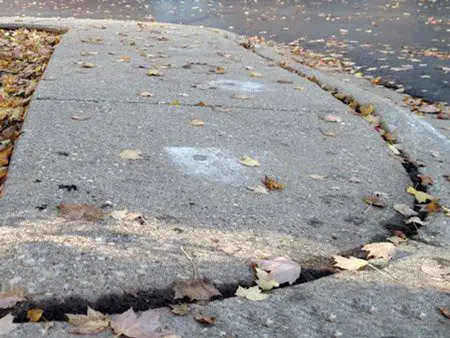
Backfill loss beneath lakeside walks and patios
Settlement near wall joints and penetrations
Accessible gaps around dock-adjacent hardscape
Shore walls affected by changing water levels
Sites where ongoing erosion sources can be addressed
The Estimate Guard Promise: Best Price. Best Warranty. Guaranteed. With Acme’s Estimate Guard, you never have to worry about overpaying for professional concrete raising. We guarantee a better price and a better warranty than any competitor—so you get the best overall value every time. It’s our commitment to fair pricing, quality workmanship, and long-lasting results.
Frequently Asked Questions
What is the difference between wall repair and void filling?
Wall repair restores or rebuilds the structure itself. Void filling places material behind an eligible wall to replace lost support where the wall remains suitable for that approach.
Can injection be performed from a tight lakeside yard?
Often, but access varies. Docks, fences, utilities, landscaping, wall geometry, and safe equipment placement are reviewed before the work is planned.
Does the foam enter the lake?
Injection is planned to fill a defined subsurface space. Open pathways to the water must be identified and controlled before material is placed.
Are permits required for Ingleside shoreline work?
Requirements depend on the property, waterbody, ownership, and scope. Property owners should confirm applicable county, state, association, and waterway rules before scheduling.
Can a leaning seawall be stabilized with foam alone?
Not necessarily. Significant movement, corrosion, cracking, or foundation failure calls for structural evaluation. Void filling is used only when conditions support it.