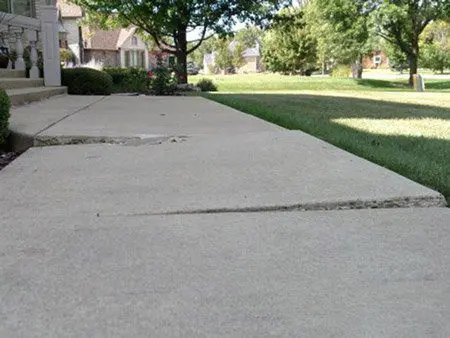
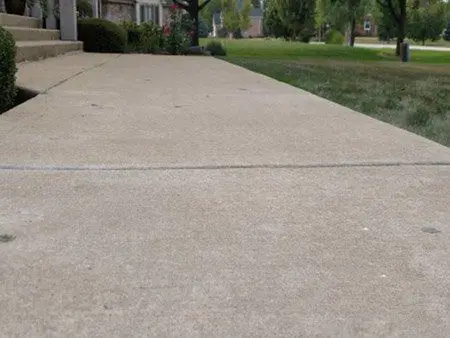
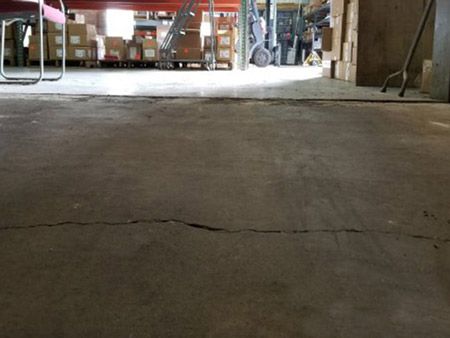
Inverness is known for low-density residential properties, winding roads, mature landscaping, and drainage carried by ditches, swales, catch basins, channels, and storm sewers. Where runoff follows a long driveway or landscaped slope, supporting soil can consolidate or wash away beneath concrete panels.
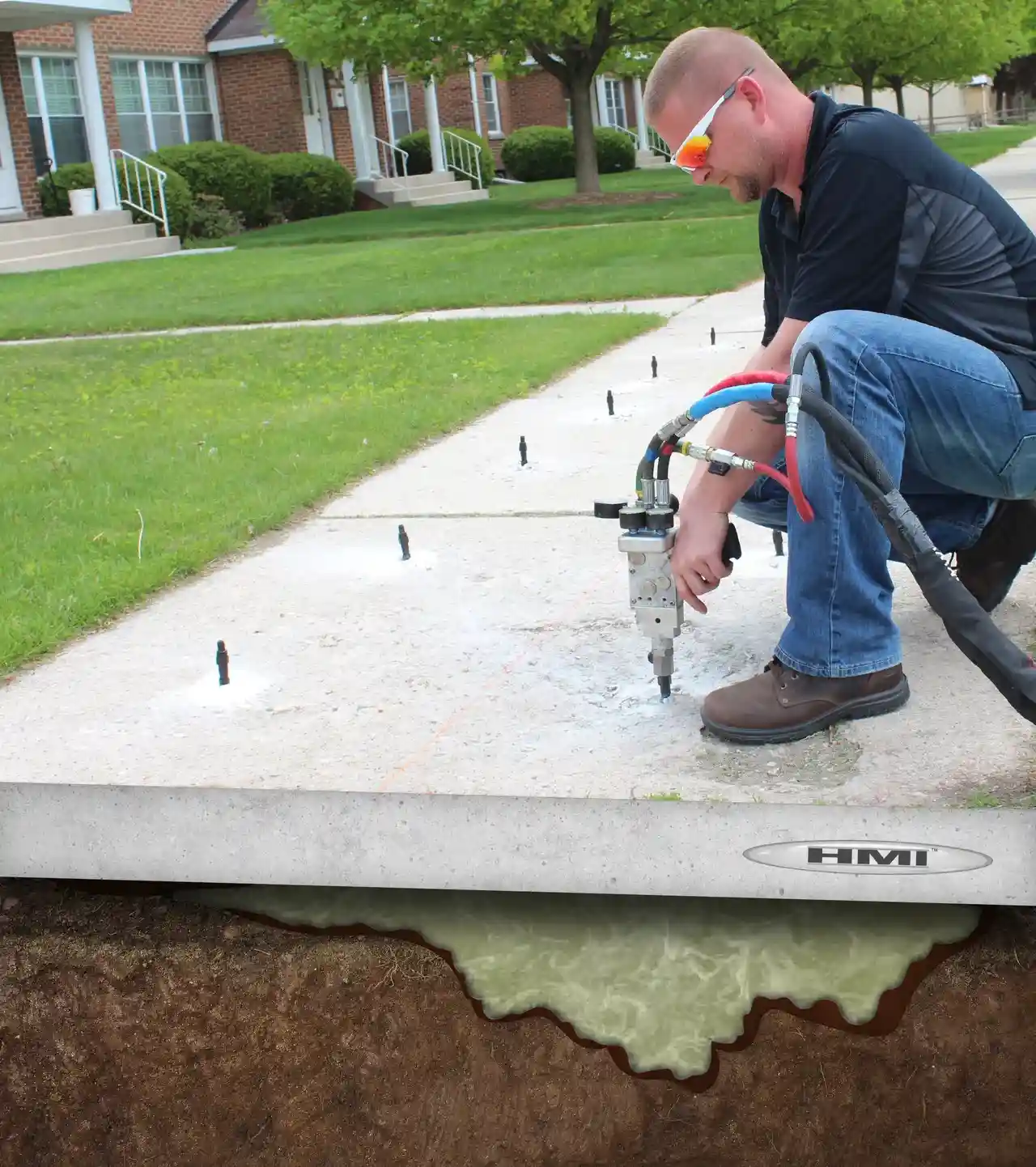
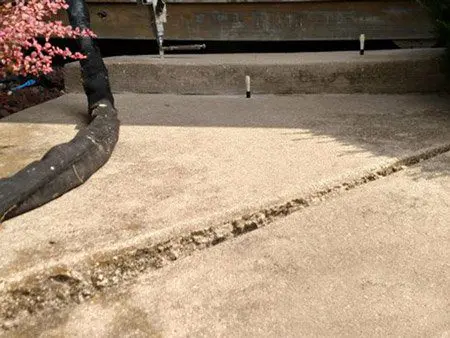
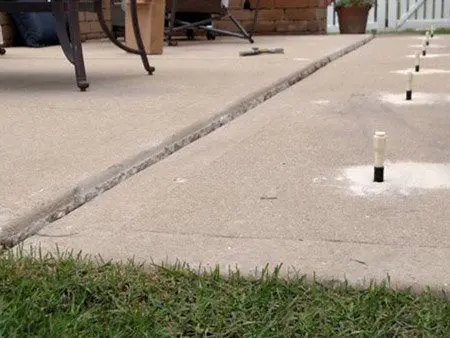
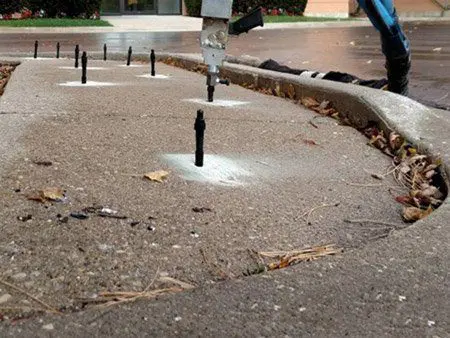
Our concrete leveling process uses lightweight polyurethane placed through small injection holes. The foam fills accessible voids and raises the slab in controlled stages, helping improve transitions and surface drainage when the concrete remains structurally sound.
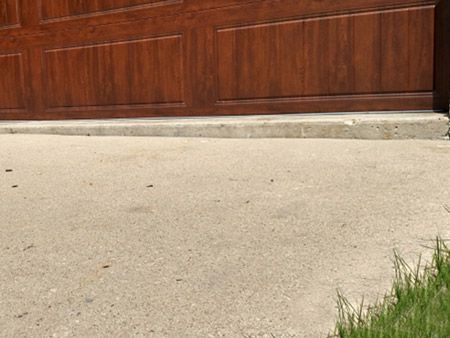
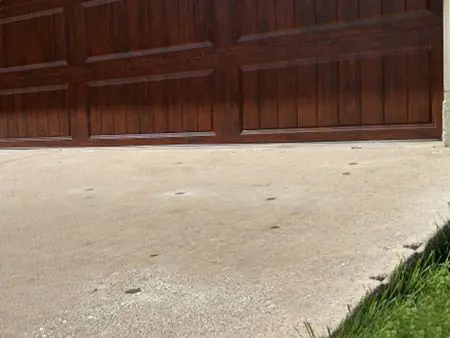
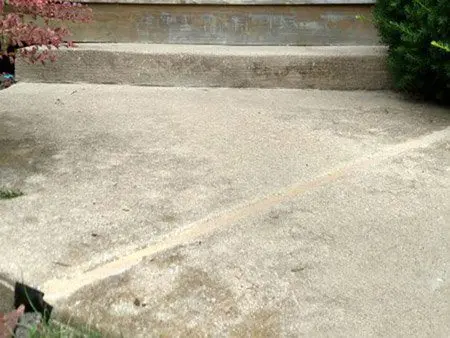
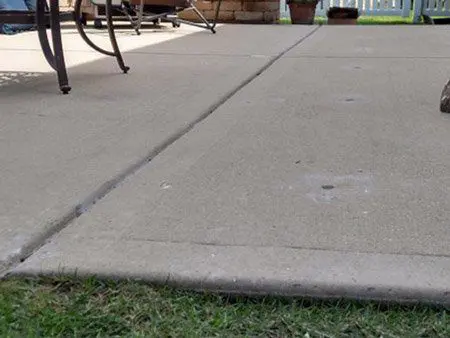
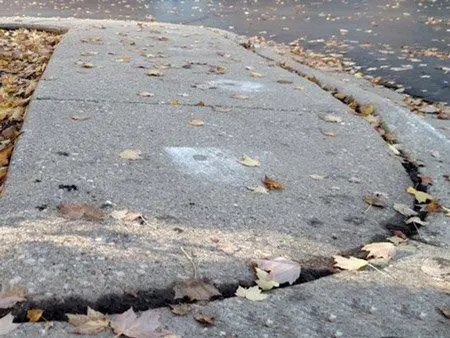
Long approaches, curved walks, patio edges, and concrete beside landscaped grades can settle in different ways. We inspect where water travels, which slab areas have lost support, and how garages, foundations, curbs, or adjacent surfaces limit the achievable correction.
The Estimate Guard Promise: Best Price. Best Warranty. Guaranteed. With Acme’s Estimate Guard, you never have to worry about overpaying for professional concrete raising. We guarantee a better price and a better warranty than any competitor—so you get the best overall value every time. It’s our commitment to fair pricing, quality workmanship, and long-lasting results.
Frequently Asked Questions
What Inverness concrete surfaces can be leveled?
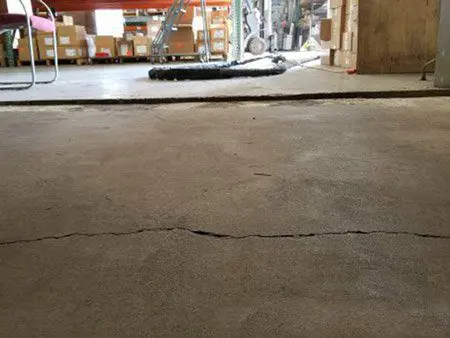
Driveways, walks, patios, garage floors, pool decks, steps, and stoops may qualify. The slab must be sound enough to lift, with access and surrounding elevations that allow a useful correction.
How does polyurethane concrete leveling work?
Small holes are drilled through the slab, and expanding foam is injected beneath it. The material fills accessible space and can raise the concrete gradually while adding relatively little weight.
Can leveling improve drainage on a long driveway?
Raising a settled panel can sometimes restore a more useful pitch or reduce a low spot. Results depend on fixed garage, curb, and neighboring slab elevations, which are reviewed before work begins.
Will the process harm nearby landscaping?
Work is performed through small injection holes in the concrete, which limits surface disturbance. Clear access around the slab helps protect planting beds and allows the crew to monitor lifting.
When should an Inverness slab be replaced instead?
Replacement may be better when concrete is severely cracked, crumbling, too thin, or structurally restrained. We explain when lifting is practical and when it is unlikely to provide a sound result.