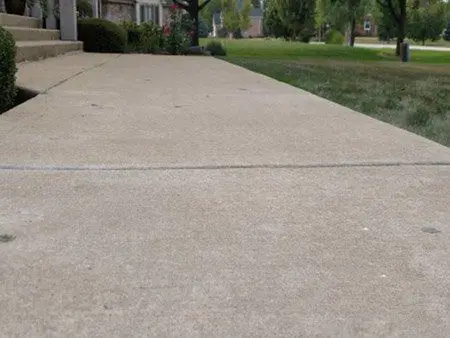
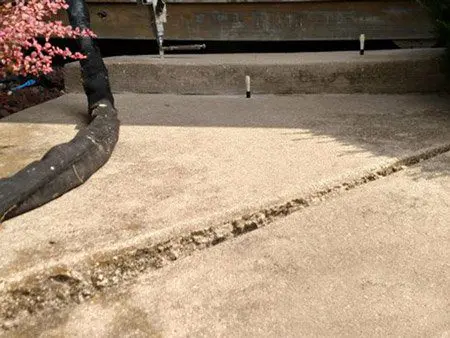
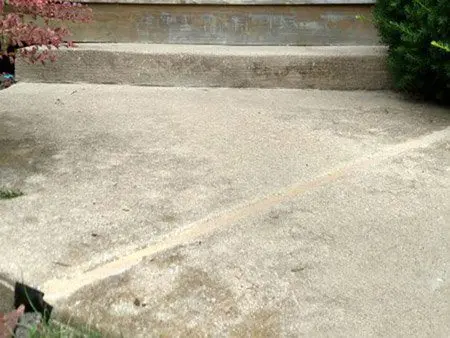
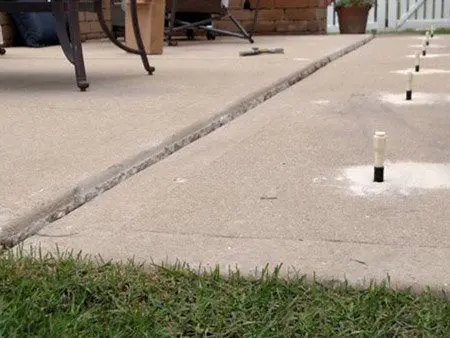
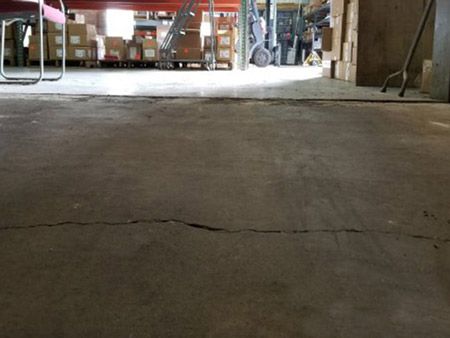
Protect Island Lake concrete joints from runoff, sediment, and seasonal movement. Acme Concrete prepares and seals suitable gaps on driveways, walks, patios, garage aprons, and other flatwork while keeping the property’s drainage direction in view.
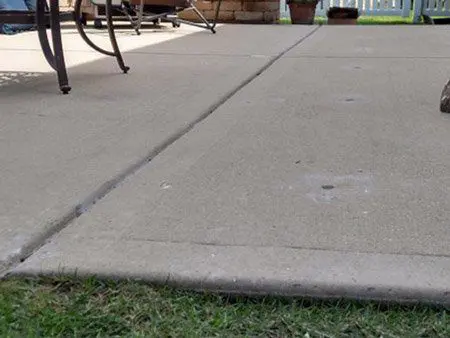
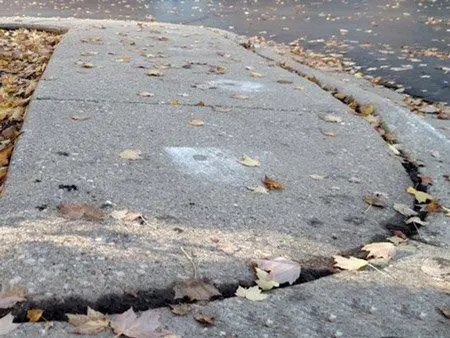
Stormwater in Island Lake moves across roofs, yards, streets, and paved surfaces toward storm infrastructure and the lake watershed. Open joints can collect sediment and organic debris, and low areas may hold water long after the rest of a driveway or patio has drained.
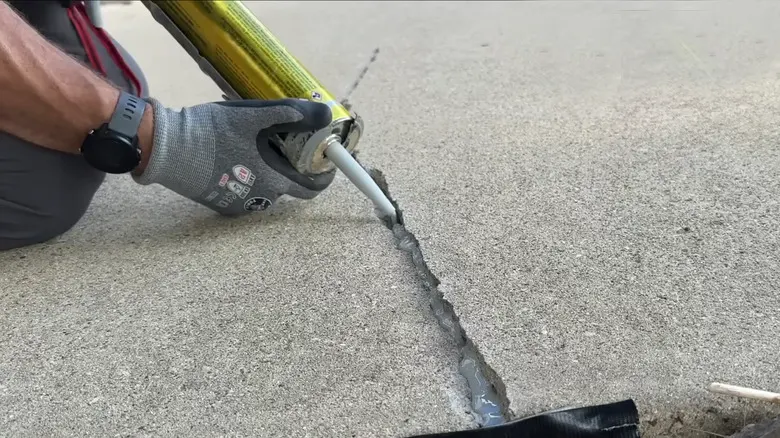
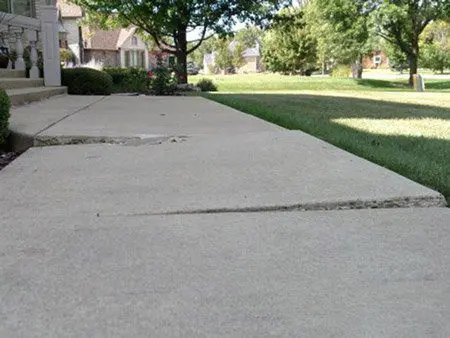
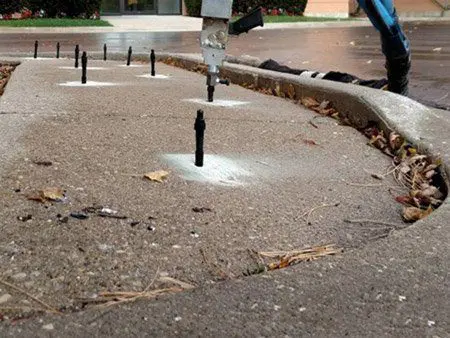
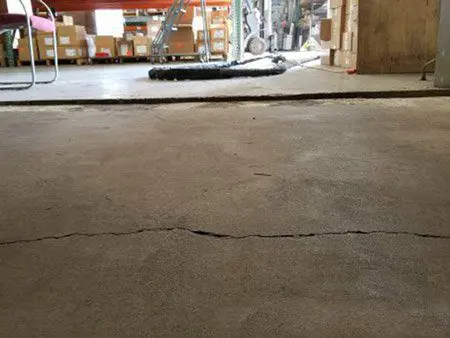
Our concrete joint sealing includes removing failed material, cleaning the opening, and installing flexible sealant with the correct profile. We flag low slabs or eroded edges when caulking alone will not address the source of the problem.
Keeping sediment and debris out of joints supports both the concrete and the surrounding drainage system. The repair plan should preserve the path water uses to leave the slab and avoid sealing intentional openings at drains or landscape transitions.
The Estimate Guard Promise: Best Price. Best Warranty. Guaranteed. With Acme’s Estimate Guard, you never have to worry about overpaying for professional concrete raising. We guarantee a better price and a better warranty than any competitor—so you get the best overall value every time. It’s our commitment to fair pricing, quality workmanship, and long-lasting results.
Frequently Asked Questions
How do open concrete joints affect runoff in Island Lake?
They can trap soil, leaves, and water as runoff crosses the surface. Sealing suitable joints reduces entry at the gap, while clean drains and good grading keep water moving toward the intended outlet.
Can caulking be used near the lake?
It can be appropriate on upland concrete surfaces when the joint is suitable and the work does not interfere with shoreline features or drainage. Product use and site access are considered for the specific location.
Why is joint depth important?
Sealant performs best with a controlled profile that allows it to stretch across the opening. A backing material may be used so the sealant is not simply packed to the bottom of a deep gap.
What if water still ponds after the joint is sealed?
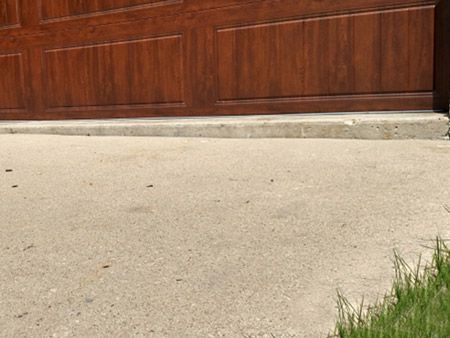
Ponding usually indicates surface pitch, settlement, or an obstructed outlet rather than a caulking failure. The elevation and drainage route should be evaluated separately.
Can old caulk be covered with new material?
Loose or failed sealant should be removed. Installing over a contaminated or detached surface prevents the new material from bonding to sound joint edges.