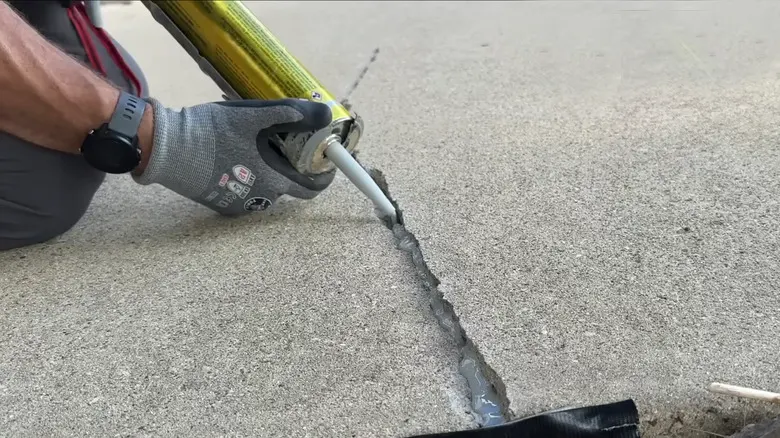
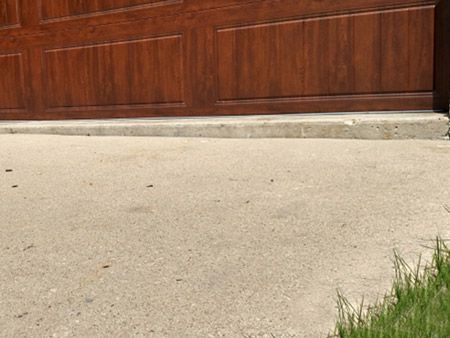
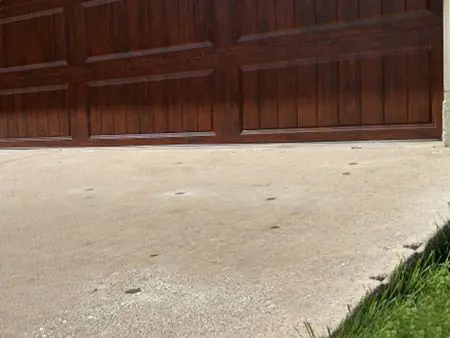
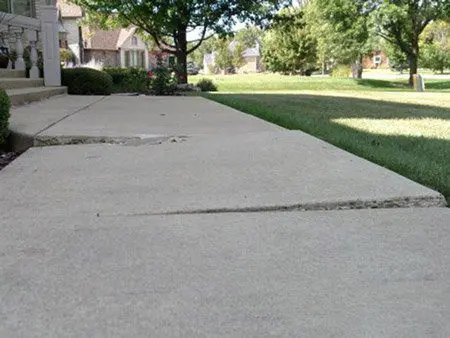
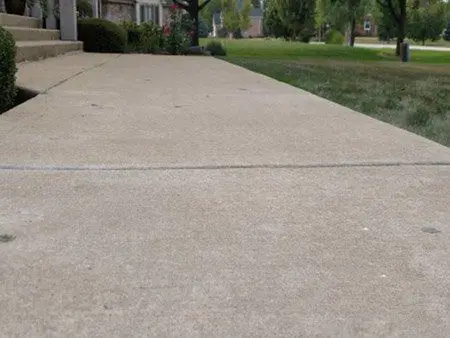
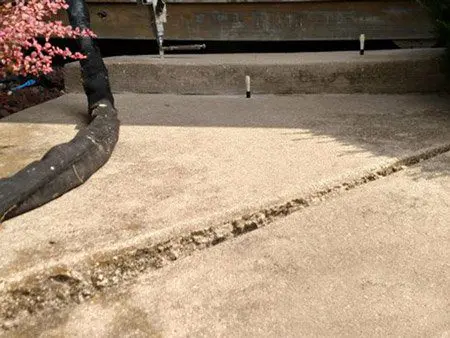
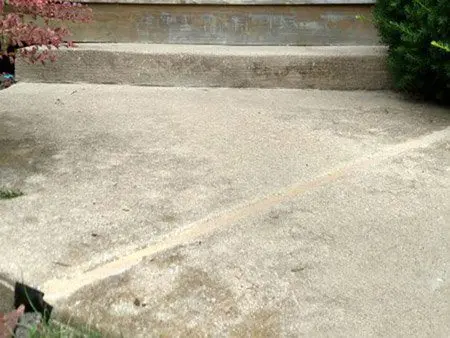
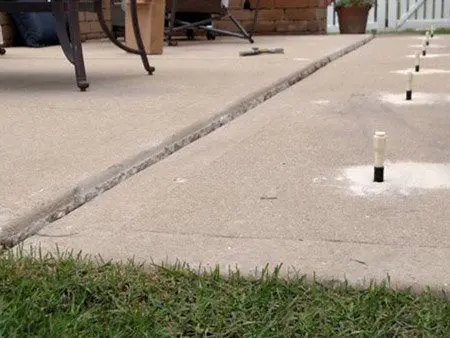
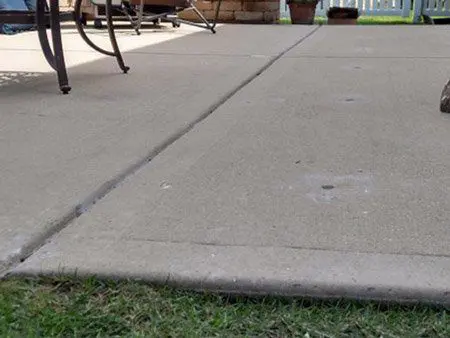
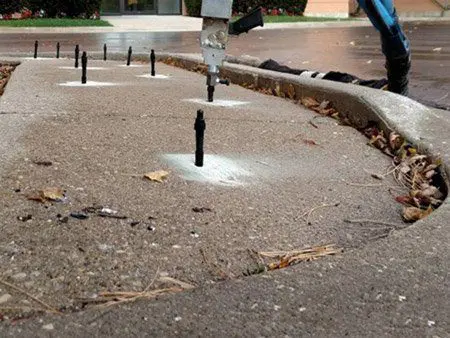
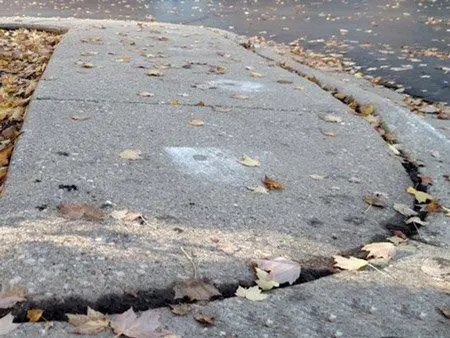
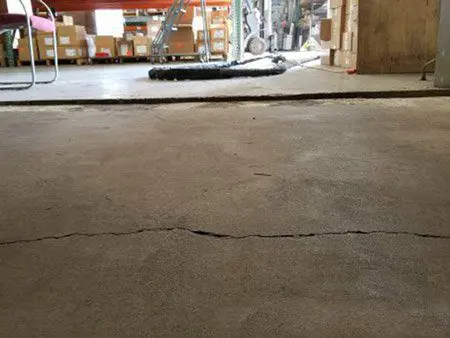
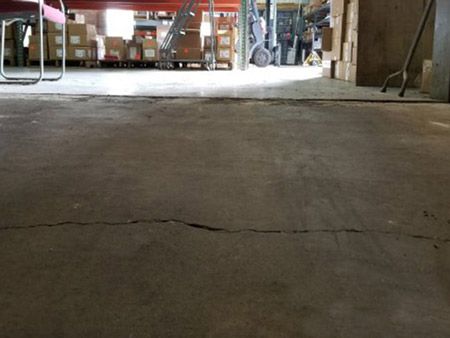
Itasca combines established residential streets with large office, industrial, hospitality, and parking areas around the Hamilton Lakes district. Concrete in each setting moves differently, but open joints share the same concern: water and fine debris can reach the base below. Caulking closes prepared gaps in driveways, sidewalks, patios, loading approaches, parking pavement, and building-edge slabs. The flexible seal supports normal movement and complements drainage maintenance within the Spring Brook Creek and Salt Creek watershed.
Residential runoff and broad commercial pavement both feed Itasca’s stormwater system. Sealing selected joints helps reduce direct openings in the concrete surface. Learn how our concrete caulking process fits into preventive slab maintenance.
The Estimate Guard Promise: Best Price. Best Warranty. Guaranteed. With Acme’s Estimate Guard, you never have to worry about overpaying for professional concrete raising. We guarantee a better price and a better warranty than any competitor—so you get the best overall value every time. It’s our commitment to fair pricing, quality workmanship, and long-lasting results.
Frequently Asked Questions
Can concrete caulking be scheduled at an active Itasca business?
Yes. Access, curing time, and vehicle or pedestrian routes can be reviewed so the work is organized around normal property use.
Why do parking-area joints collect debris?
Open joints trap grit, soil, leaves, and water from a broad paved surface. Cleaning and sealing the gap helps stop that accumulation from reaching the base.
Does caulking work through an Itasca winter?
Installation depends on surface condition, temperature, and moisture. The contractor selects an appropriate weather window and provides curing guidance.
Can loading-area concrete be caulked?
Many stable loading approaches and building-edge joints can be sealed. The joint condition and expected traffic should be evaluated before material is selected.
Is caulking the same as repairing a structural crack?
No. Caulking is commonly used for designed joints and suitable nonstructural gaps. Structural distress or active settlement requires separate evaluation.