Support the Ground Behind Existing Hard Water Edges
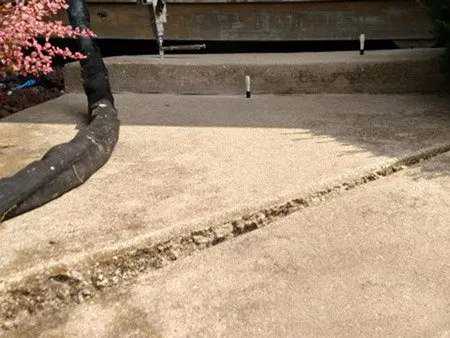
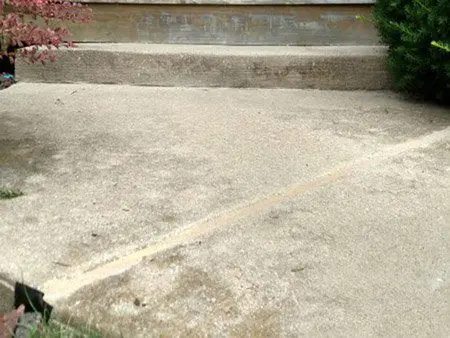
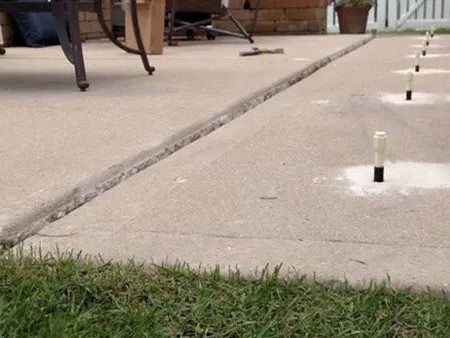
Gaps can form behind a concrete, block, or other constructed water-edge wall when joints open, backfill settles, or water carries fine soil through an escape path. Surface depressions and new voids are warning signs that should be traced to their source.
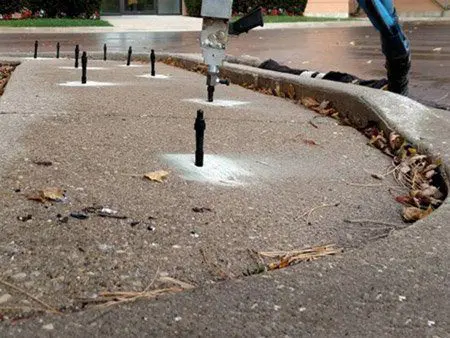
Our seawall void repair process uses expanding polyurethane to fill accessible subsurface spaces and improve support. It does not rebuild a collapsed wall or replace drainage, structural, or permitting work that the site may require.
Constructed Water Edges Within Itasca Drainage Systems
Itasca manages stormwater through detention areas, controlled outlets, Salt Creek, Spring Brook, and large water features such as those around Hamilton Lakes. Not every shoreline is a seawall, and many basins serve a regulated drainage function. We evaluate only eligible constructed hard edges and coordinate the repair scope with property ownership, drainage responsibilities, and any required approvals.
Voids behind concrete or masonry pond walls
Settlement beside constructed retaining edges
Gaps near wall joints and penetrations
Backfill loss beneath adjacent walks or pavement
Hard edges exposed to changing water levels
Areas where the source of soil migration can be identified
The Estimate Guard Promise: Best Price. Best Warranty. Guaranteed. With Acme’s Estimate Guard, you never have to worry about overpaying for professional concrete raising. We guarantee a better price and a better warranty than any competitor—so you get the best overall value every time. It’s our commitment to fair pricing, quality workmanship, and long-lasting results.
Frequently Asked Questions
Do all Itasca ponds have repairable seawalls?
No. Many ponds have natural or engineered vegetated banks, and detention facilities may have specific maintenance requirements. We assess only an existing constructed wall that is appropriate for void filling.
What causes soil to wash out behind a wall?
Open joints, failed penetrations, drainage discharge, changing water levels, and poorly retained backfill can create paths that carry fine soil away.
Can polyurethane rebuild a cracked or leaning wall?
No. Void filling supports soil behind an eligible wall. Structural displacement, failed foundations, or deteriorated wall materials need a qualified structural repair plan.
Are approvals needed near detention ponds?
They may be. Ownership, association rules, easements, municipal requirements, and the function of the stormwater facility should be confirmed before work proceeds.
How is the repair area selected?
We look for depressions, openings, loose backfill, water pathways, and adjacent settlement, then target the accessible void rather than injecting the entire shoreline.