DEEP FOAMJECTION IN KANE COUNTY

Improve support beneath suitable concrete affected by deeper voids, weak fill, soil loss, or recurring settlement.
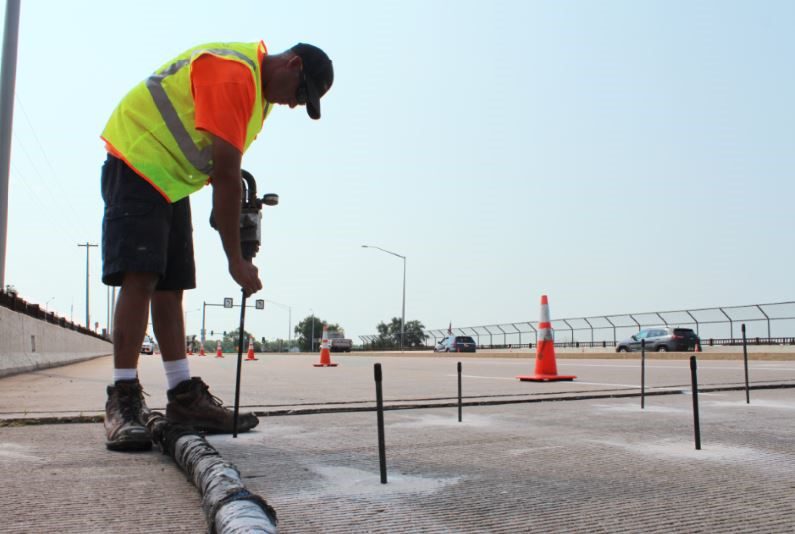
Highway worker

Deep Concrete and Soil Support in Kane County

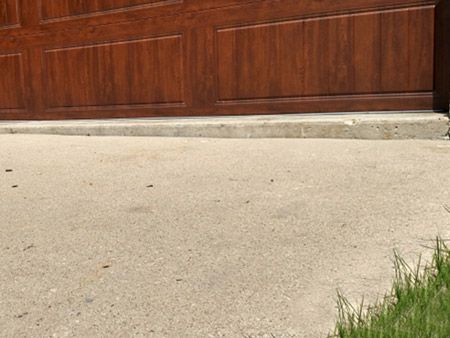
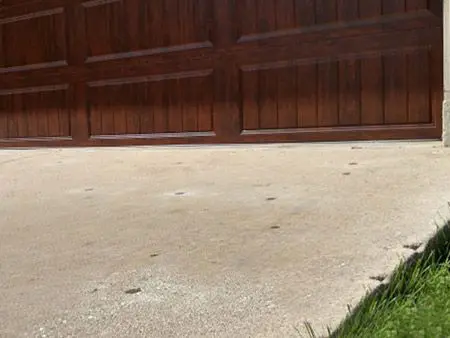
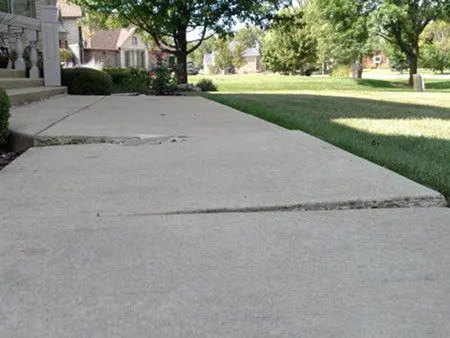
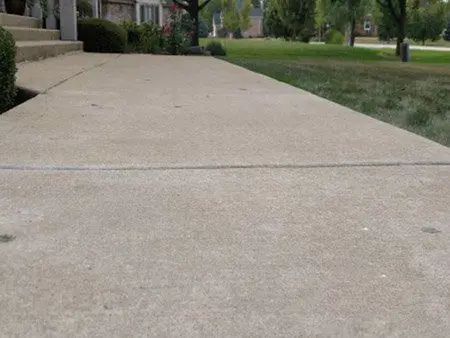
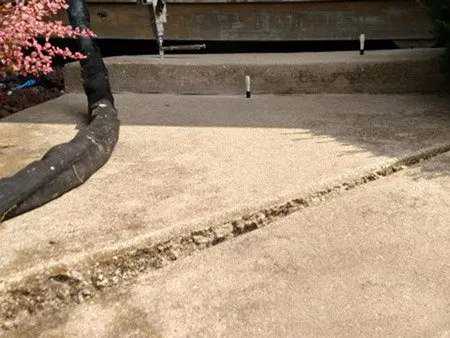
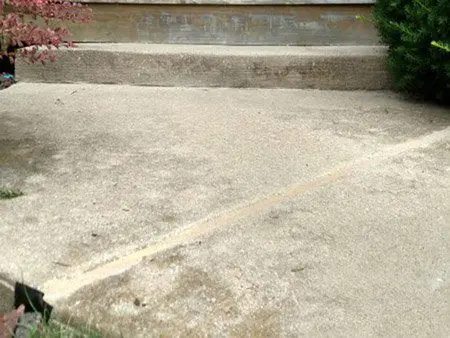
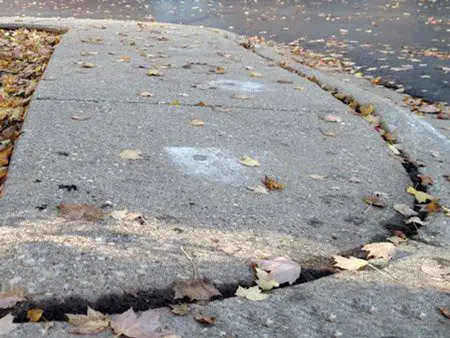
Kane County properties span developed neighborhoods, open sites, commercial corridors, and areas with changing grades. When settlement returns or an evaluation indicates support loss below the immediate slab base, surface lifting alone may not address the deeper condition. Deep Foamjection places expanding polyurethane at selected depths to fill voids and improve support within the treatment zone.
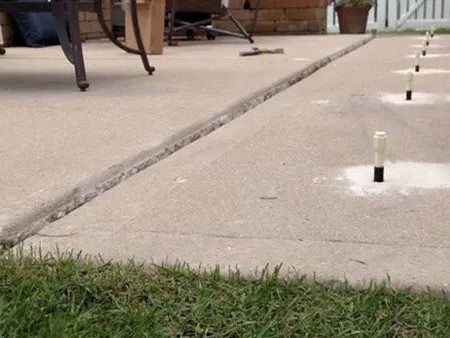
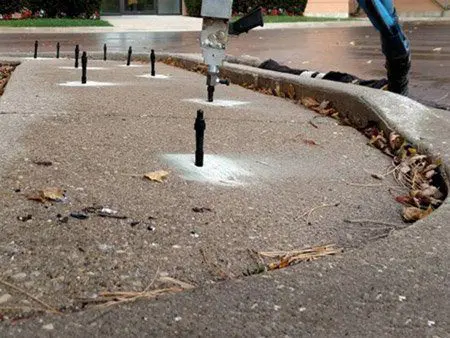
The process begins with a site evaluation and a planned injection pattern based on access, slab condition, observed movement, and suspected void locations. Small holes are drilled at controlled points, material is delivered below the slab, and the response is monitored during placement. The objective is targeted stabilization with less disruption than broad excavation.
Polyurethane Concrete Raising is All We Do!

Why Kane County Property Owners Choose Acme

Stabilizing Support Across Varied County Development

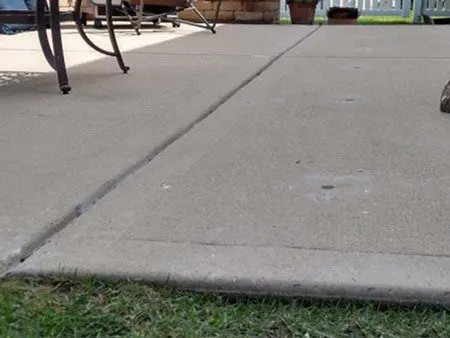
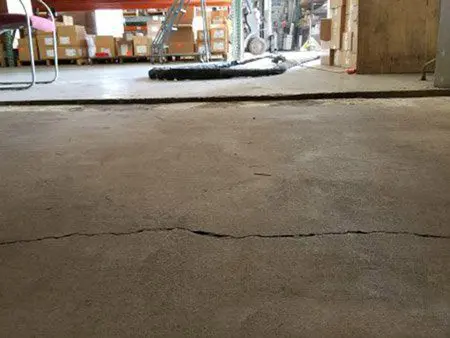
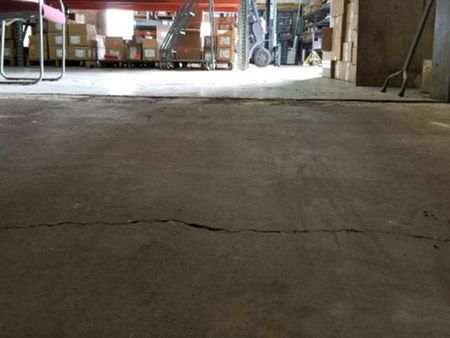
A long slab run can cross fill, utility trenches, drainage paths, and soils with different support characteristics. Our Deep Foamjection process targets suitable deeper conditions beneath driveways, walks, patios, garage approaches, floor sections, and other accessible concrete.

Call today for a FREE Estimate!

The Estimate Guard Promise: Best Price. Best Warranty. Guaranteed. With Acme’s Estimate Guard, you never have to worry about overpaying for professional concrete raising. We guarantee a better price and a better warranty than any competitor—so you get the best overall value every time. It’s our commitment to fair pricing, quality workmanship, and long-lasting results.

Frequently Asked Questions

How is Deep Foamjection different from standard concrete raising?

Standard raising primarily lifts and supports a slab near its base. Deep Foamjection places material farther below to address suitable deeper voids or weak zones.
Variable fill, buried trenches, erosion, drainage, soil loss, and changing moisture can contribute, although each site requires its own evaluation.
Not necessarily. Stabilization may be the primary goal, and any elevation change must be controlled to protect the slab and nearby surfaces.
It may be suitable for accessible concrete areas when the slab, subsurface condition, load considerations, and project goals support this method.
No. Active water sources, erosion, or drainage problems may still need separate correction to protect the treated area.