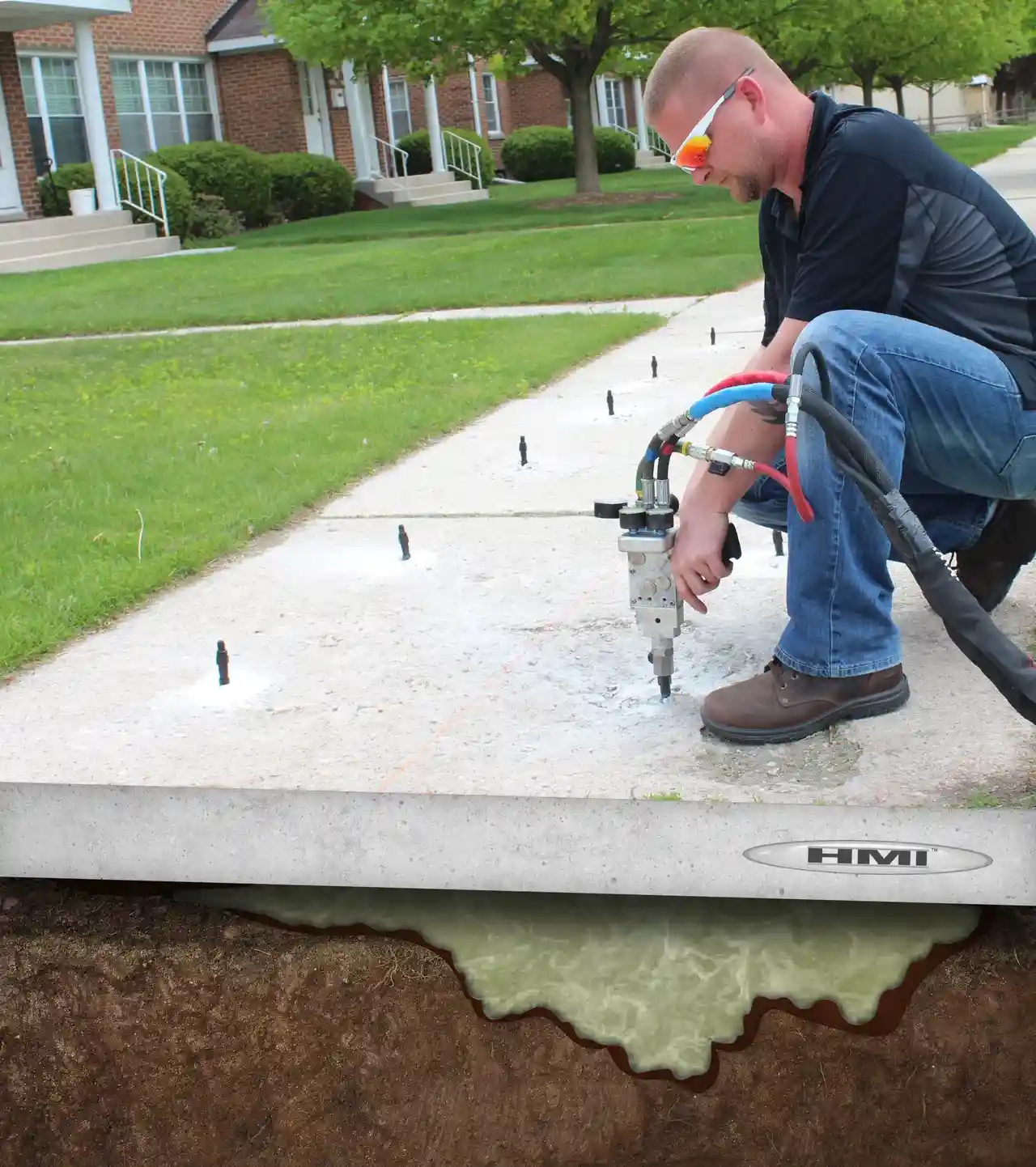
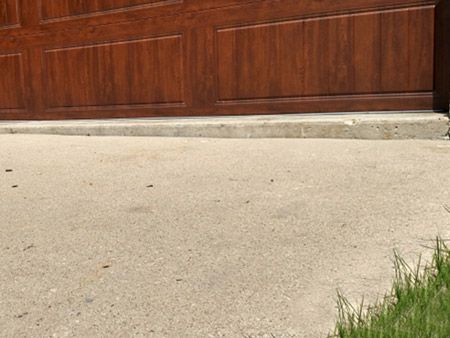
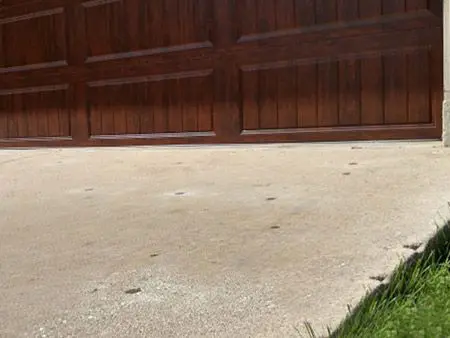
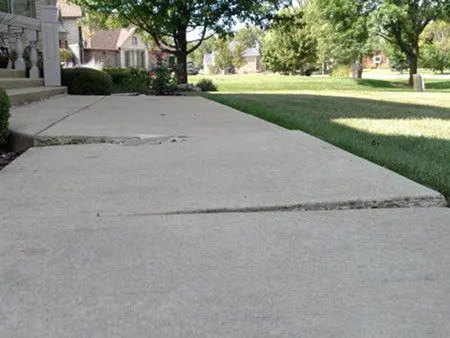
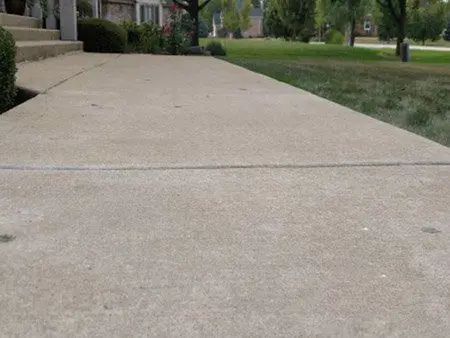
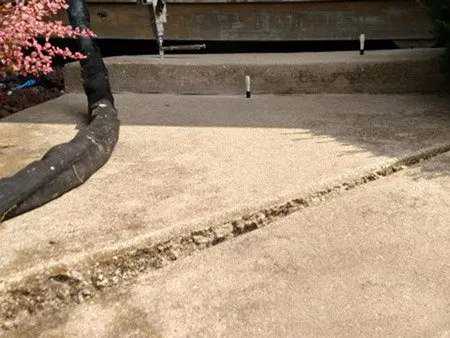
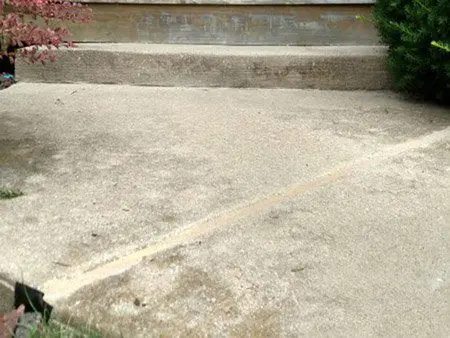
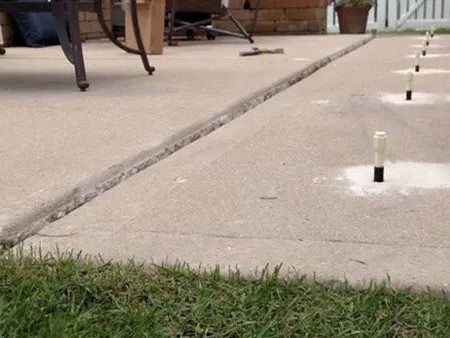
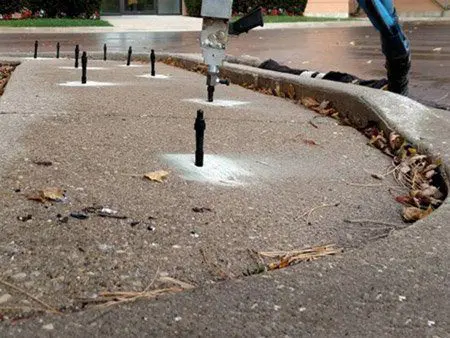
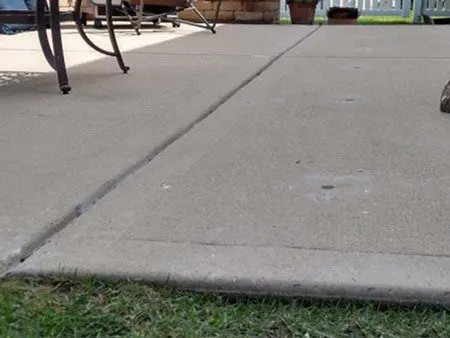
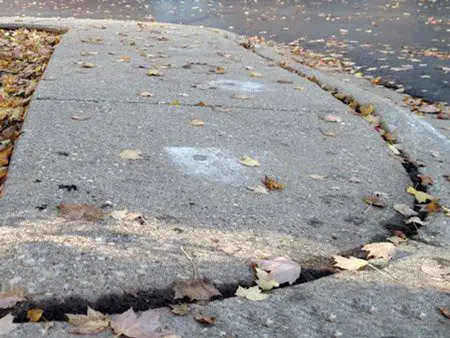
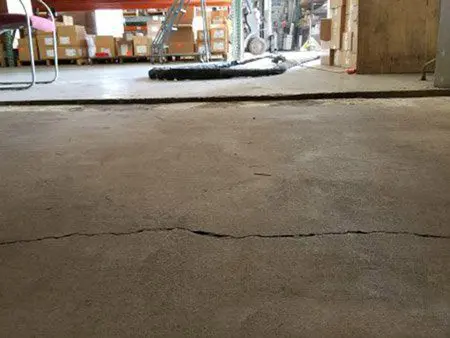
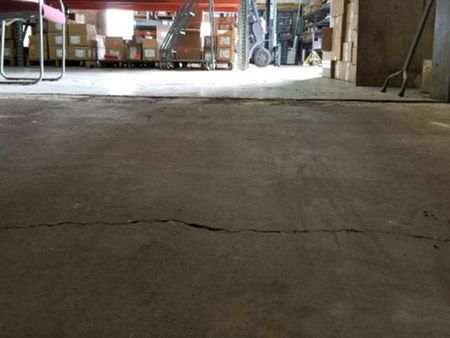
Lake in the Hills has rolling residential terrain, sloped driveways, and neighborhoods where concrete crosses changing fill depths and drainage paths. When supporting soil consolidates or water reaches slab edges, panels can sink and create abrupt transitions. Acme evaluates concrete condition, cracks, joints, grades, runoff, and adjoining surfaces before work. Expanding polyurethane is placed through small drilled ports beneath suitable slabs, filling accessible voids and lifting the concrete in measured increments.
Leveling restores the position of suitable existing concrete, but it does not replace drainage or erase established cracks. Lift goals are coordinated with garage floors, curbs, steps, and neighboring panels. After the slab is raised, open joints can be reviewed for sealing and runoff problems can be addressed separately to help protect the repaired area.
Leveling Concrete Across Rolling Neighborhood Grades
Driveways and walks in Lake in the Hills often transition between sloped yards, garage entries, sidewalks, and landscaped drainage. Our polyurethane concrete raising process targets lost support beneath suitable slabs while limiting demolition.
The Estimate Guard Promise: Best Price. Best Warranty. Guaranteed. With Acme’s Estimate Guard, you never have to worry about overpaying for professional concrete raising. We guarantee a better price and a better warranty than any competitor—so you get the best overall value every time. It’s our commitment to fair pricing, quality workmanship, and long-lasting results.
Frequently Asked Questions
What concrete can be leveled in Lake in the Hills?
Many driveways, walks, patios, garage floors, stoops, steps, and outdoor slabs can be evaluated if the concrete remains suitable for controlled lifting.
Does a steep driveway require special planning?
Yes. Slope, garage elevation, sidewalk connection, drainage direction, vehicle clearance, and panel joints all influence the lift plan.
Can leveling improve water flow across a slab?
Changing elevation may improve a localized surface path, but concrete leveling does not replace proper grading, drains, or downspout management.
Will cracks disappear when the slab is raised?
No. Alignment across a crack may improve, but the crack remains and may need separate treatment after lifting.
How soon can the area be reopened?
Polyurethane reacts quickly, but timing depends on the slab, traffic, and related work. The crew provides specific instructions after service.