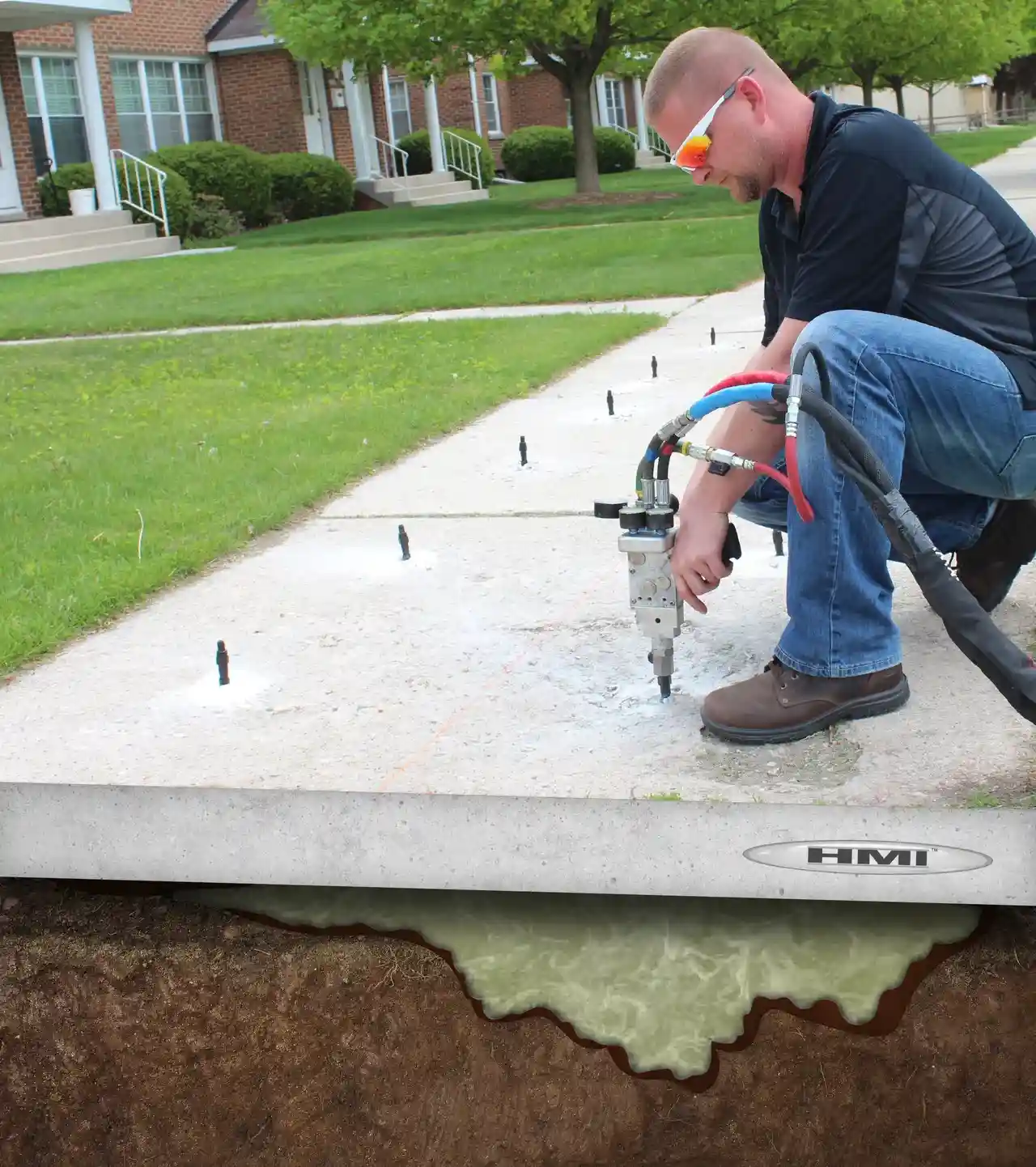
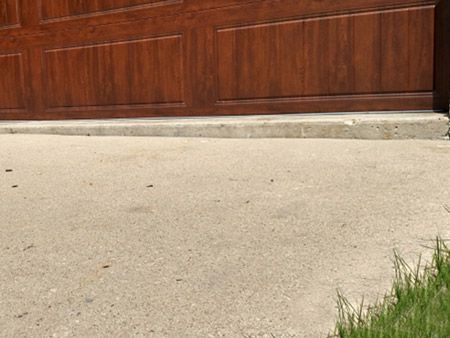
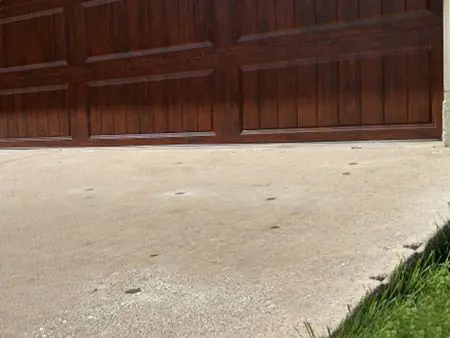
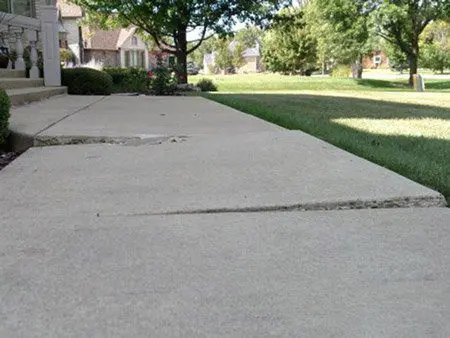
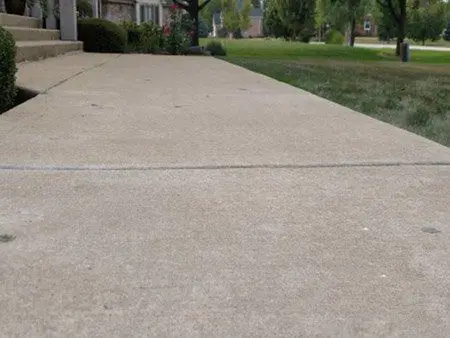
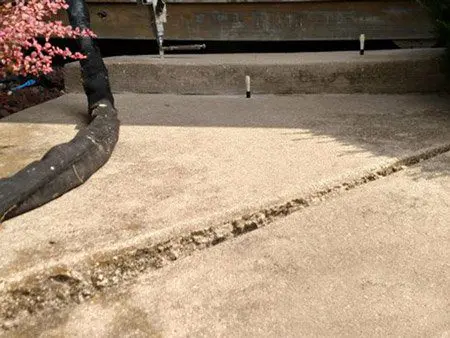
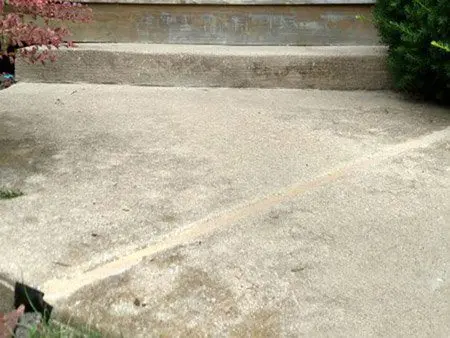
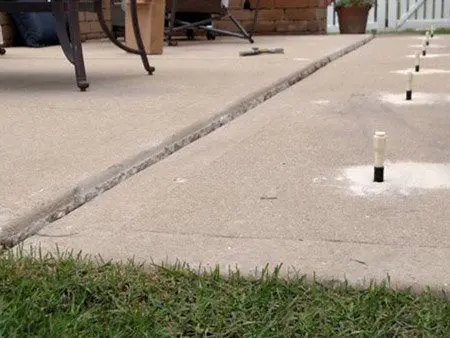
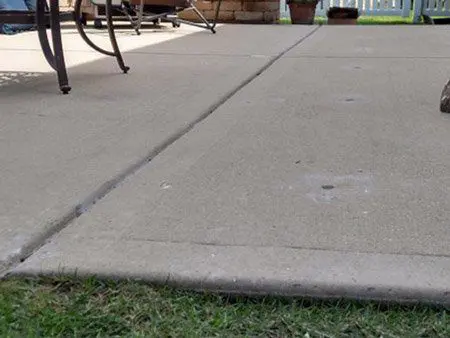
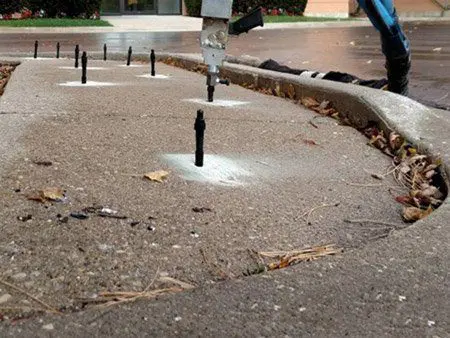
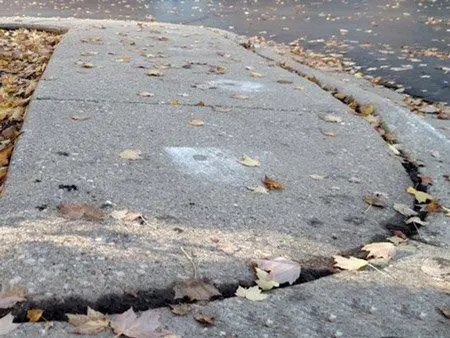
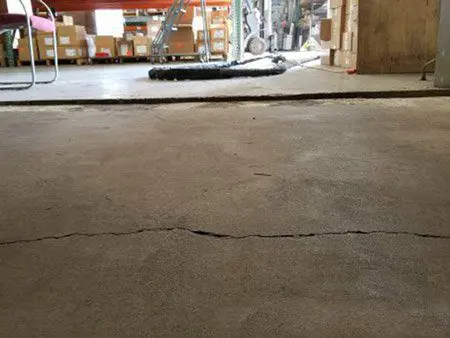
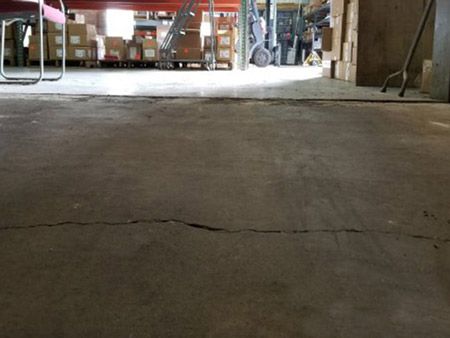
Uneven concrete often develops when the soil beneath a slab settles, washes away, or loses support after repeated wet and dry cycles. Around a lake-oriented neighborhood, runoff paths and moisture changes deserve particular attention. Acme evaluates the slab position, cracks, joints, edges, drainage, and surrounding grades before recommending work. Small ports are used to place expanding polyurethane beneath suitable concrete, filling accessible voids and lifting the slab in controlled increments. The goal is to improve alignment while preserving concrete that remains serviceable.
Lake Killarney lots may have driveways, walks, patios, and steps placed close to landscaped grades and drainage routes. Our polyurethane concrete raising process targets lost support beneath suitable slabs while keeping the work area compact.
The Estimate Guard Promise: Best Price. Best Warranty. Guaranteed. With Acme’s Estimate Guard, you never have to worry about overpaying for professional concrete raising. We guarantee a better price and a better warranty than any competitor—so you get the best overall value every time. It’s our commitment to fair pricing, quality workmanship, and long-lasting results.
Frequently Asked Questions
What concrete can be leveled in Lake Killarney?
Many settled driveways, walks, patios, garage floors, stoops, and pool-deck sections can be evaluated. The slab must be in suitable condition for lifting.
How does polyurethane raise a slab?
Small holes are drilled through the concrete, then expanding material is placed beneath it. The material fills accessible space and is carefully controlled as the slab rises.
Can leveling close an existing crack?
Lifting may improve the alignment across a crack, but it does not erase or structurally repair the crack itself. Crack and joint treatment can be discussed separately.
Why did the concrete settle near the lake?
Possible contributors include loose fill, changing moisture, drainage, erosion, and natural soil consolidation. An on-site review helps identify the conditions around the slab.
Should drainage be corrected after leveling?
If runoff is reaching slab edges or washing soil away, improving that path can help protect the repaired area. Leveling does not replace grading or drainage work.