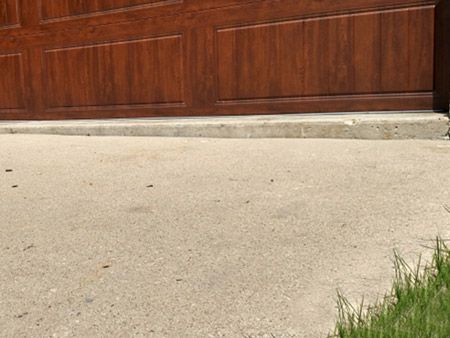
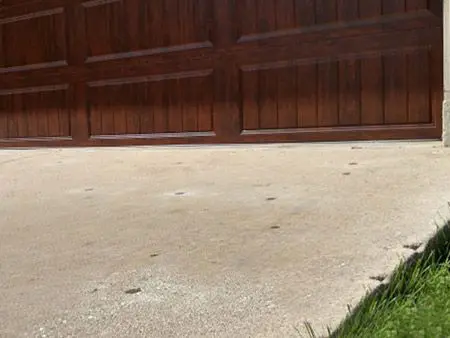
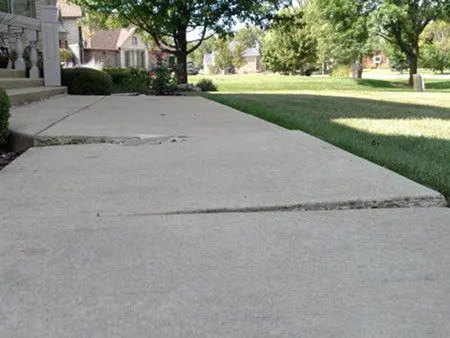
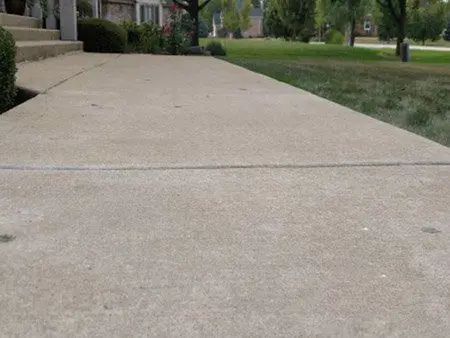
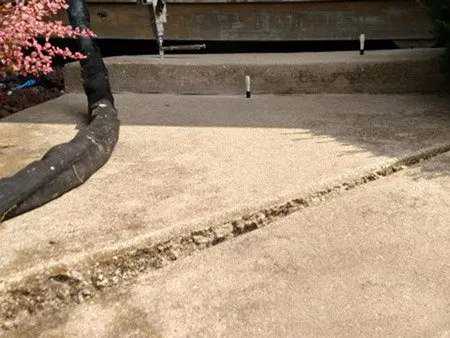
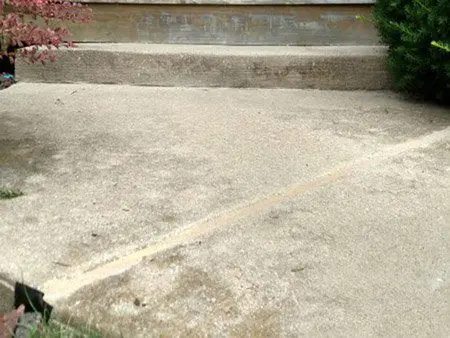
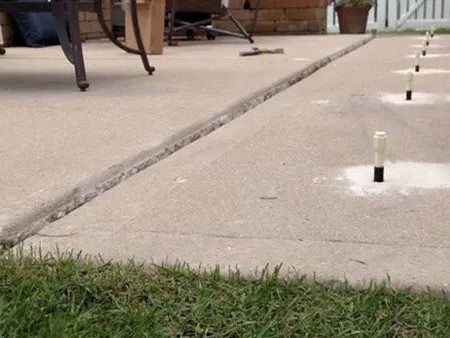
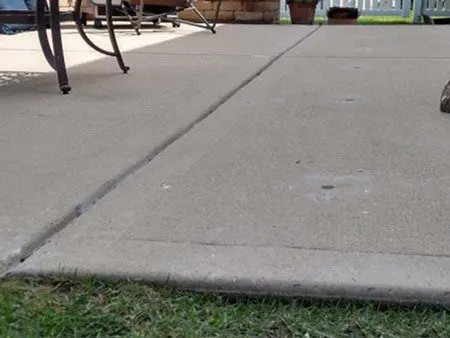
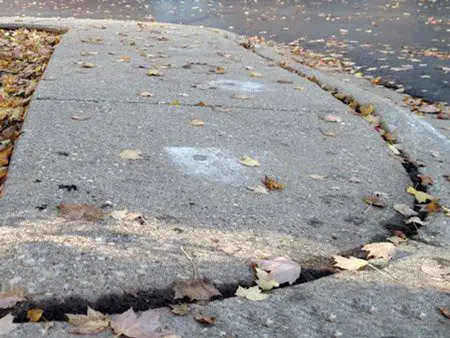
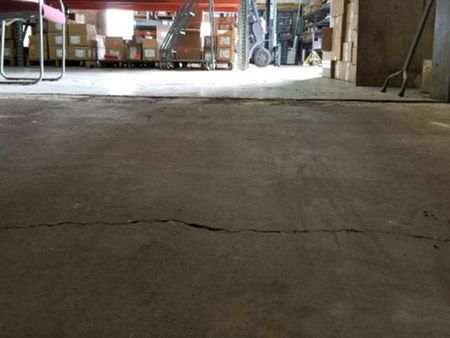
Some settlement problems begin deeper than the thin void directly beneath a slab. Loose fill, disturbed soil, washout, or poorly supported layers can continue to compress even after surface symptoms appear.
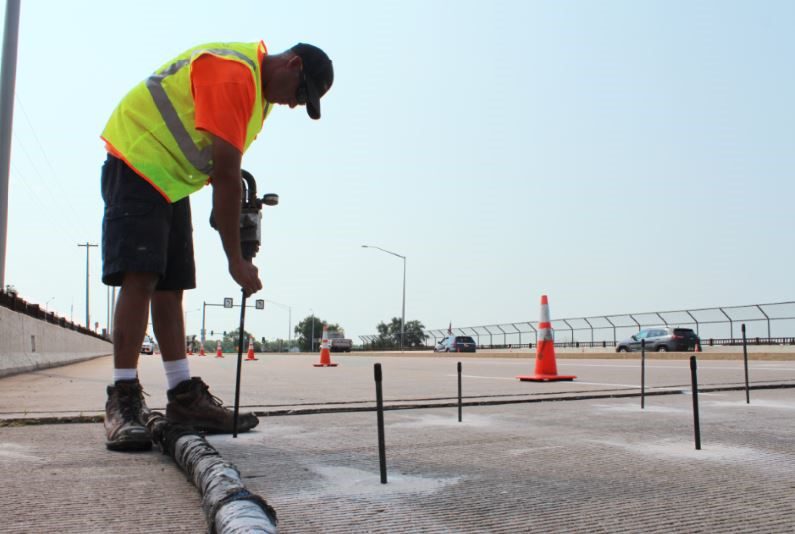
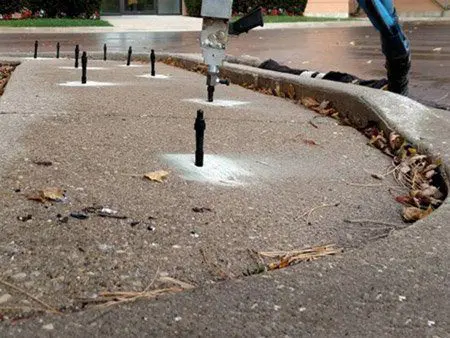
Deep Foamjection places expanding polyurethane at selected depths to densify weak zones and improve support. It may be combined with conventional concrete raising when the slab also needs to be lifted and realigned.
Lake Killarney is a private-lake residential community west of the Fox River near Cary and Crystal Lake. Lake-area drainage, sloped lots, older fill, utility trenches, and repeated moisture changes can create varied support conditions below driveways, walks, garage slabs, and patios. Our evaluation distinguishes deeper soil weakness from shoreline erosion or ordinary slab-base voids.
Driveways with recurring settlement
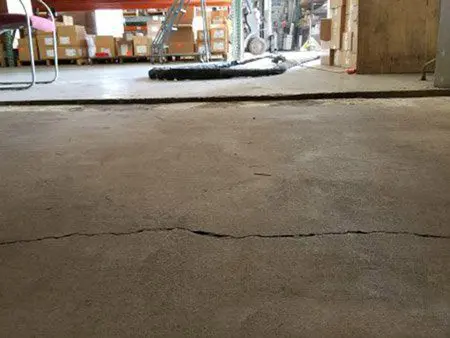
Garage floors over weak or disturbed fill
Walkways beside utility trenches
Patios on sloped or moisture-sensitive ground
Slabs showing movement after earlier surface repair
The Estimate Guard Promise: Best Price. Best Warranty. Guaranteed. With Acme’s Estimate Guard, you never have to worry about overpaying for professional concrete raising. We guarantee a better price and a better warranty than any competitor—so you get the best overall value every time. It’s our commitment to fair pricing, quality workmanship, and long-lasting results.
Frequently Asked Questions
How is Deep Foamjection different from slab raising?
Slab raising primarily fills the immediate void and adjusts elevation. Deep Foamjection targets weak soil zones below that base when the problem extends farther into the ground.
Does every settled slab need deep injection?
No. Many slabs only need conventional raising. We recommend deeper injection when site evidence points to support loss below the normal slab base.
Can Deep Foamjection repair shoreline erosion?
It may address selected subsurface voids, but shoreline movement and wall failure require their own evaluation. The correct method depends on where soil is being lost and what contains it.
Will the process require large excavations?
Injection is performed through planned access points and usually avoids broad excavation. Access and surface conditions are reviewed before work begins.
How do you plan injection depth?
Depth and spacing are based on settlement patterns, slab use, site observations, and the suspected weak zone. The plan is tailored to the property rather than applied uniformly.