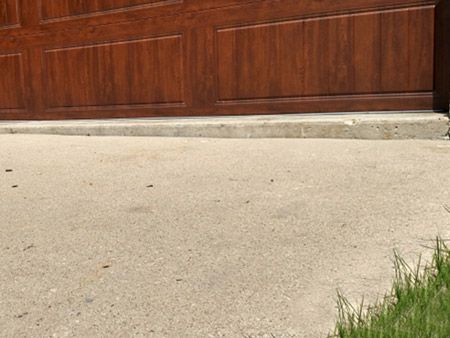
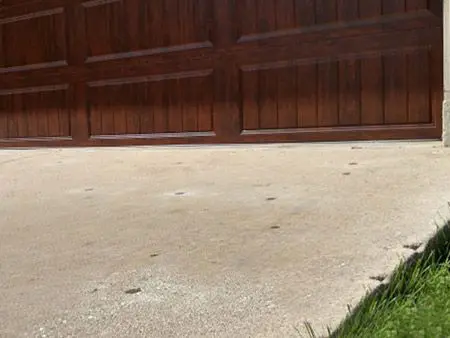
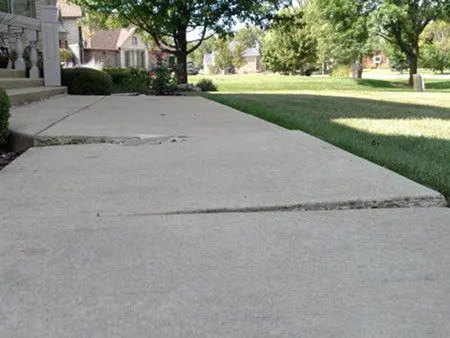
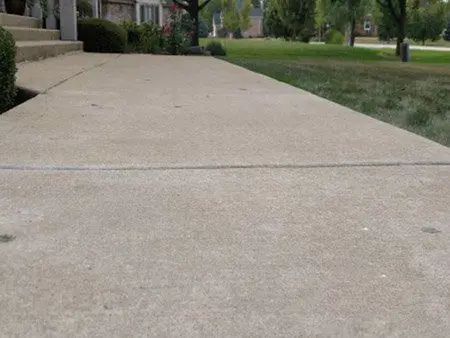
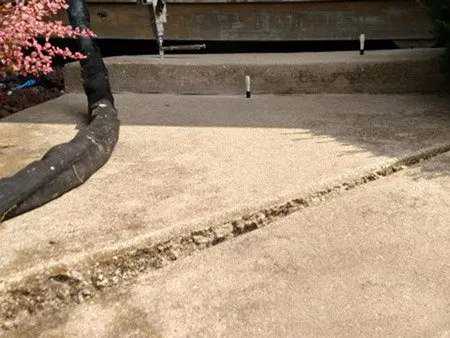
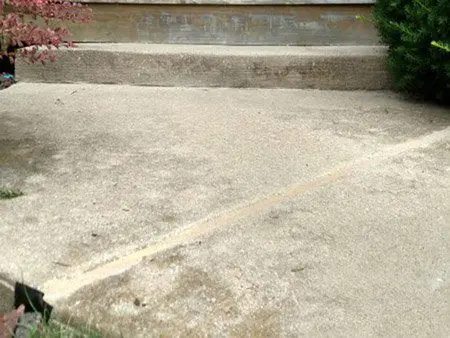
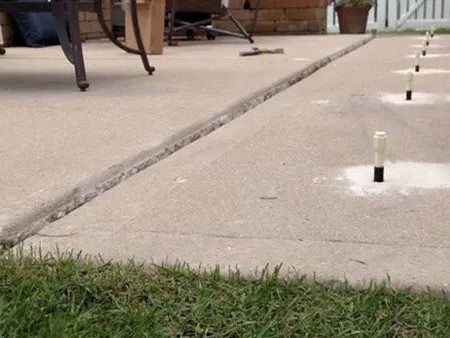
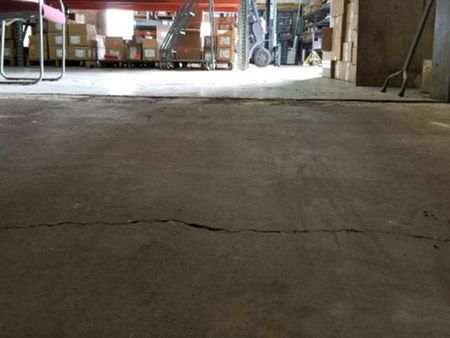
Restore uneven concrete on Lakemoor properties with controlled polyurethane lifting. Correct settled driveways, walks, patios, and garage transitions while limiting disruption to the surrounding surface.
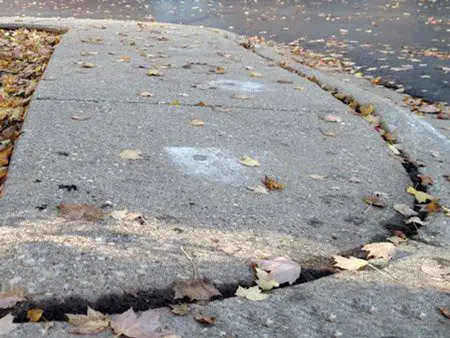
Lakemoor spans parts of Lake and McHenry counties and includes lakes, wetlands, drainage swales, and low-lying residential areas. Concrete may settle where runoff ponds, fine soil moves from unsupported edges, older fill consolidates, or seasonal moisture changes the ground beneath individual panels.
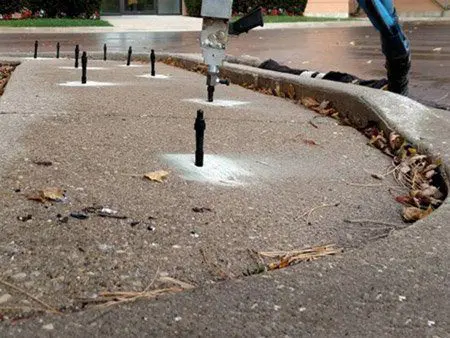
Our concrete raising process places expanding polyurethane through small ports below serviceable slabs. We review cracks, joints, edge support, fixed elevations, and the path water follows before guiding the lift in measured stages.
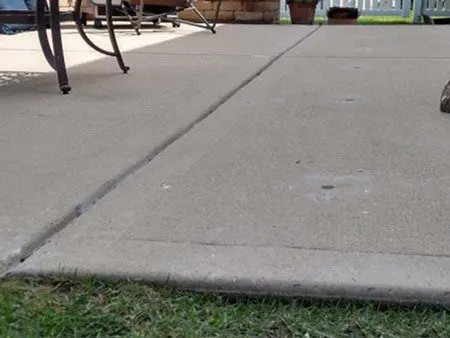
Lakemoor projects can involve driveway panels near street drainage, walks crossing shallow swales, patios beside landscaped low spots, or garage approaches tied to fixed thresholds. We plan the lift around those conditions and focus on a usable transition without blocking the property drainage route.
The Estimate Guard Promise: Best Price. Best Warranty. Guaranteed. With Acme’s Estimate Guard, you never have to worry about overpaying for professional concrete raising. We guarantee a better price and a better warranty than any competitor—so you get the best overall value every time. It’s our commitment to fair pricing, quality workmanship, and long-lasting results.
Frequently Asked Questions
Why does concrete settle on some Lakemoor properties?
Poorly supported fill, ponding runoff, changing soil moisture, tree roots, and erosion at slab edges can all contribute. The cause can differ between panels on the same property.
Can concrete raising improve a low spot that collects water?
It may improve a depression created by slab settlement when a workable outlet remains. Raising cannot create drainage where surrounding grades or fixed structures block the water path.
Which Lakemoor surfaces can be evaluated for lifting?
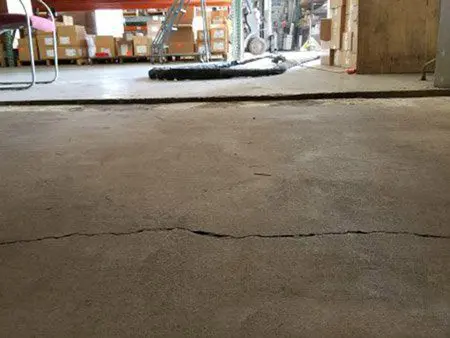
Driveways, garage approaches, sidewalks, patios, steps, and other accessible slabs may qualify. The concrete must be intact enough to respond as a panel during injection.
Will polyurethane add much weight below weak soil?
Polyurethane is lightweight compared with cement-based fill. It expands beneath the slab to fill accessible voids and create controlled lifting pressure without introducing a heavy slurry.
When is concrete replacement a better option?
Replacement may be preferable when a panel is badly cracked, crumbling, undersized, or unable to move together. The site evaluation distinguishes slab failure from a support problem.