Lakemoor is closely tied to the Fox River system and local water features, including the Ports of Sullivan Lake area. Parts of the original village lie within mapped floodplain, so wall repairs must account for changing water levels, saturated soil, drainage outlets, and practical access to the shoreline.
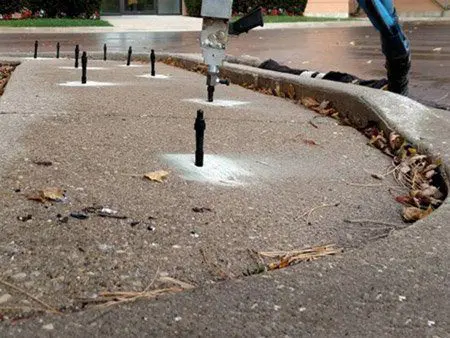
Acme examines the wall, backfill, nearby concrete, and likely erosion paths. When conditions support injection, expanding polyurethane can fill reachable voids and help stabilize loose soil without removing the entire water-edge structure.
Seasonal water changes, saturated ground, and runoff can expose weak points in Lakemoor shoreline walls. Our seawall stabilization approach focuses on where soil has been lost, how water reaches that opening, and whether the wall can remain in service.
The Estimate Guard Promise: Best Price. Best Warranty. Guaranteed. With Acme’s Estimate Guard, you never have to worry about overpaying for professional concrete raising. We guarantee a better price and a better warranty than any competitor—so you get the best overall value every time. It’s our commitment to fair pricing, quality workmanship, and long-lasting results.
Frequently Asked Questions
What are common signs of seawall trouble in Lakemoor?
Look for depressions behind the wall, recurring holes, open joints, washed-out soil, leaning sections, or nearby concrete settlement. Changes that appear after high water or heavy rain deserve evaluation.
Can a seawall be repaired when the ground is saturated?
Water and soil conditions affect access and material placement. Some sites can be treated within a practical water range, while others require scheduling around lower levels or additional preparation.
How does polyurethane help behind a shoreline wall?
The material is injected into identified empty space and expands in a controlled way. It can fill accessible voids and improve support for loose backfill with less excavation than full wall removal.
Will injection fix a cracked or leaning wall?
It can support soil behind a suitable wall, but it cannot restore structural capacity to a failed section. Major cracking, displacement, or collapse may require engineering or reconstruction first.
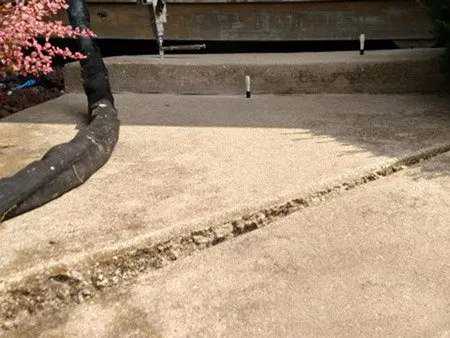
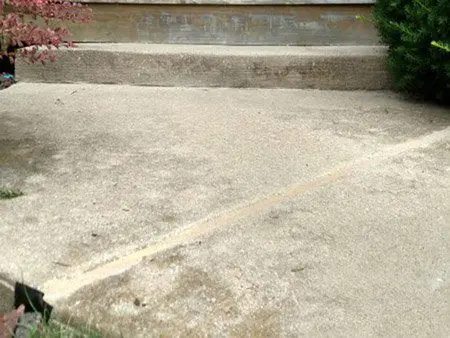
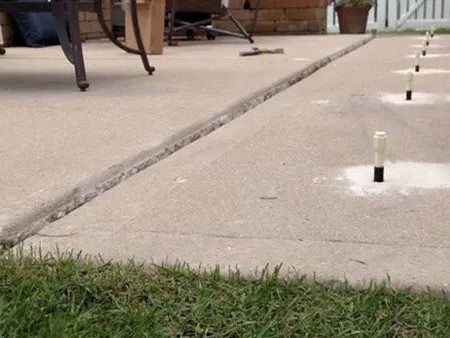
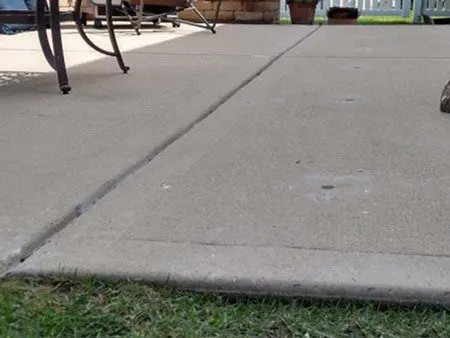
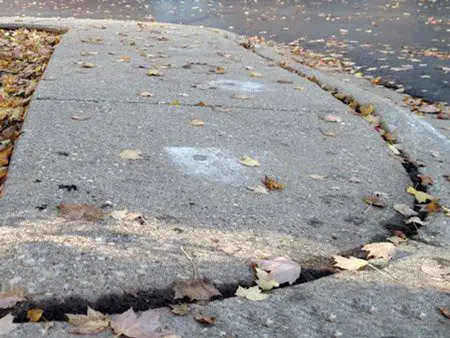
Can settled concrete next to the wall be raised too?
Nearby walks or patios may be evaluated separately. The shoreline erosion source should be handled in the correct sequence so lifted concrete is not placed over continuing soil loss.