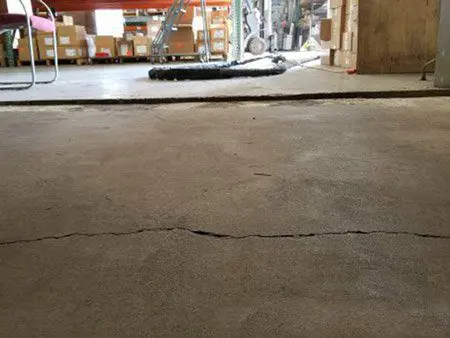
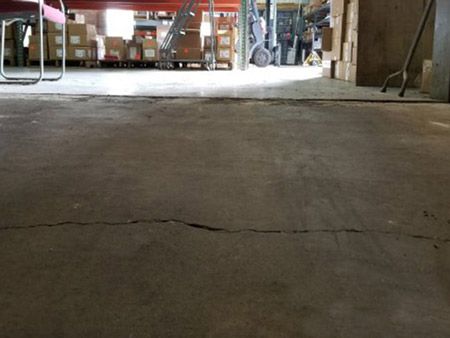
Deep Soil Stabilization Beneath Libertyville Concrete
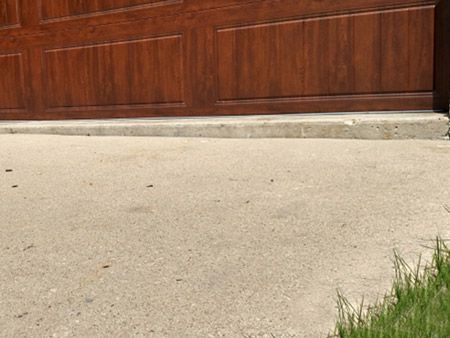
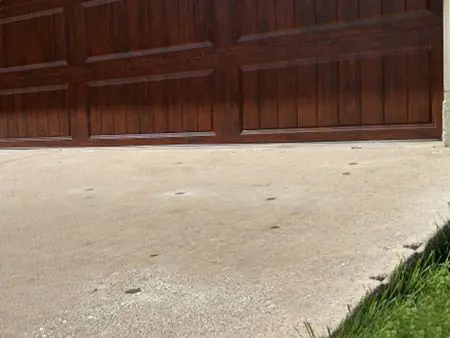
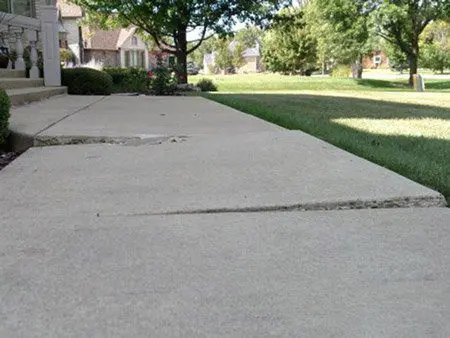
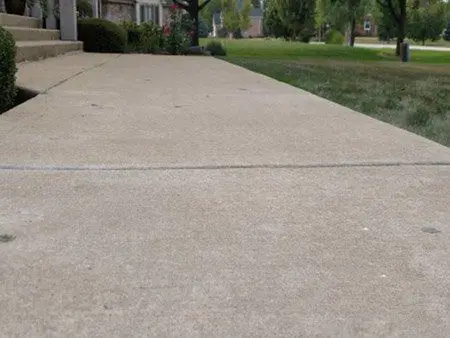
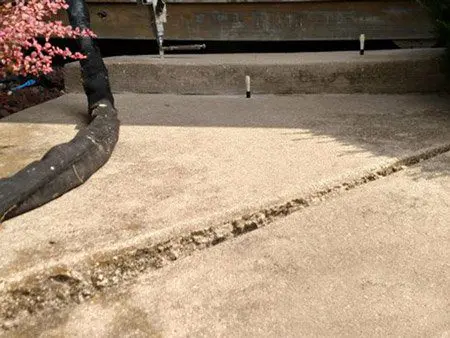
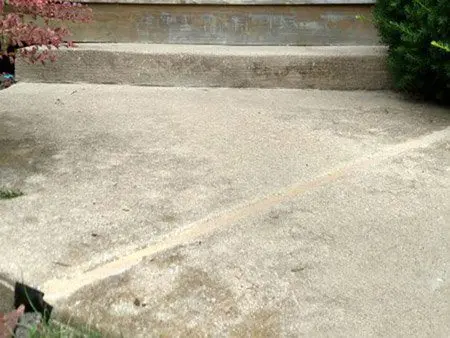
Settled slabs do not always result from a shallow void. In Libertyville, water moving through storm systems toward the Des Plaines River, Bull Creek, and Seavey Ditch can contribute to changing soil conditions, while older fill or poorly compacted material may compress deeper below the surface.
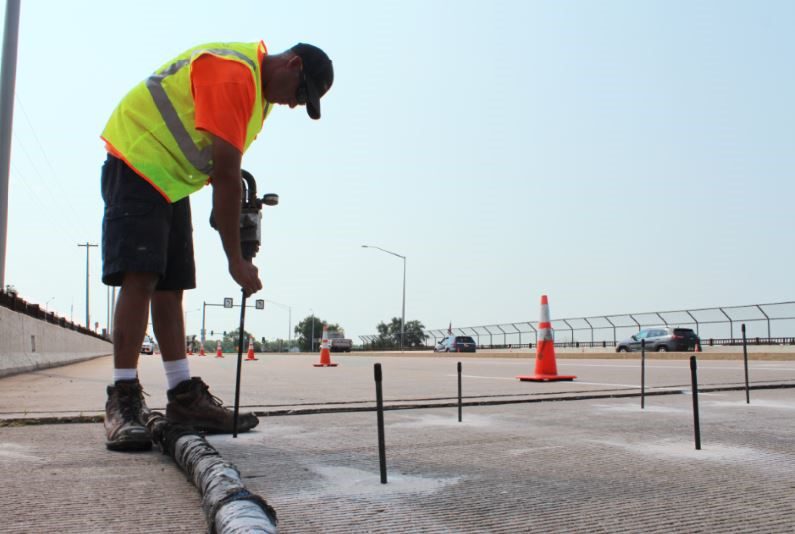
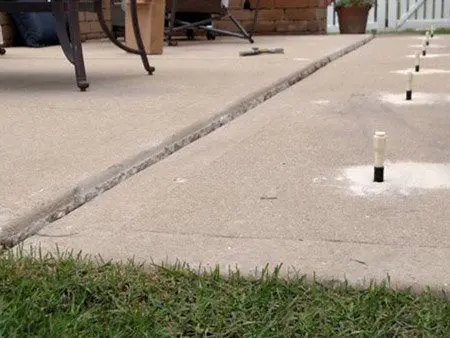
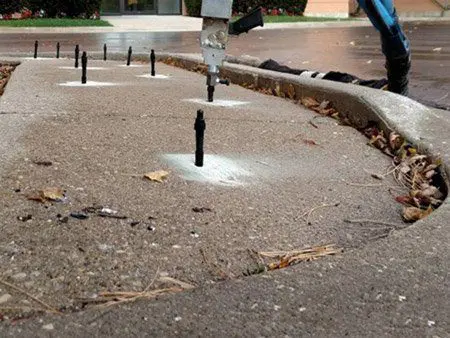
Deep Foamjection places expanding polyurethane at selected depths to help strengthen weak zones and fill accessible voids. The plan is based on site observations, slab behavior, and the depth of the support concern rather than a one-size-fits-all injection pattern.
Support Solutions for Libertyville Soil and Drainage Conditions
Libertyville contains established neighborhoods, commercial corridors, and stormwater routes serving the Des Plaines River watershed. When concrete continues to settle after shallow support is lost, deeper stabilization may be considered for driveways, interior floors, approaches, or other suitable slabs.
The Estimate Guard Promise: Best Price. Best Warranty. Guaranteed. With Acme’s Estimate Guard, you never have to worry about overpaying for professional concrete raising. We guarantee a better price and a better warranty than any competitor—so you get the best overall value every time. It’s our commitment to fair pricing, quality workmanship, and long-lasting results.
Frequently Asked Questions
How is Deep Foamjection different from concrete raising?
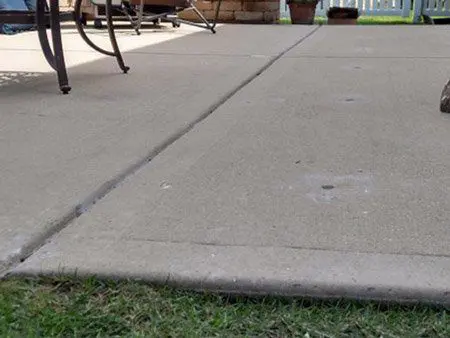
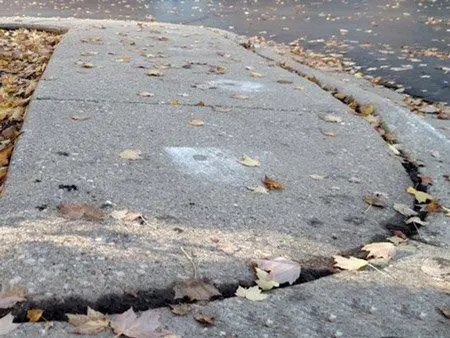
Concrete raising focuses on lifting and supporting the slab near its underside. Deep Foamjection places material at greater depths to address weak soil or voids below the shallow support zone. Some projects may involve both methods.
What signs suggest a deeper support problem?
Recurring settlement, broad floor movement, known deep fill, or voids that extend below the slab base can point to a deeper issue. An on-site evaluation is needed because surface symptoms alone do not confirm depth.
Can Deep Foamjection be used near Libertyville drainage areas?
Potential work near drainage paths must be assessed carefully. The slab, soil, utilities, water movement, and access are reviewed before deciding whether targeted polyurethane injection is appropriate.
Will Deep Foamjection lift the concrete too?
The primary goal is deeper soil stabilization, but expanding material can influence the slab above. Injection is monitored and staged carefully, and separate slab lifting may be planned when elevation correction is also needed.
When is Deep Foamjection not the right repair?
It may not suit severely broken concrete, structural foundation problems, active utility failures, or conditions that require excavation or engineered reconstruction. The evaluation helps determine whether injection matches the actual cause.