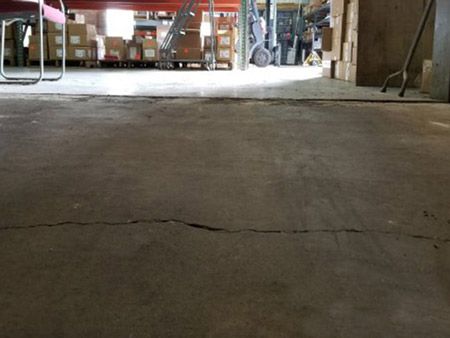
Help protect concrete joints from water, grit, and seasonal movement with professional caulking for Lincolnshire homes, associations, and commercial properties.
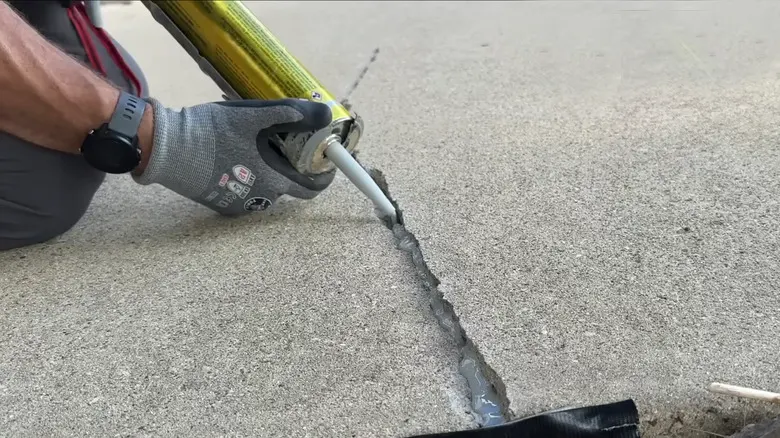
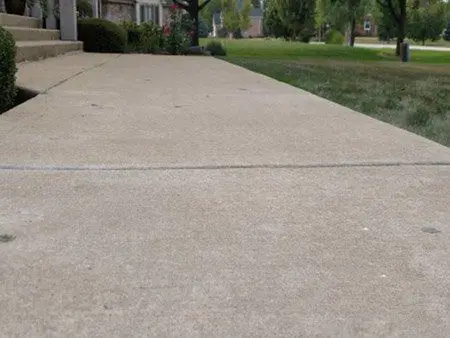
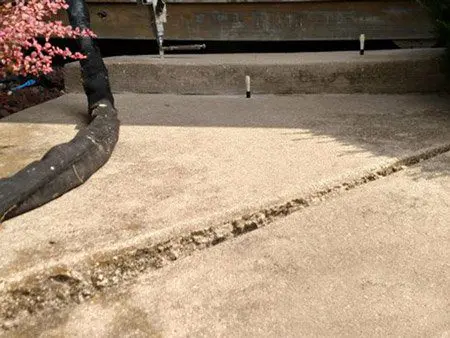
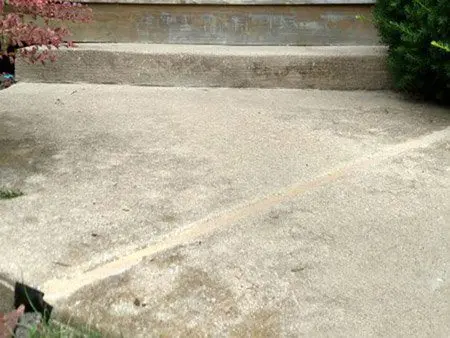
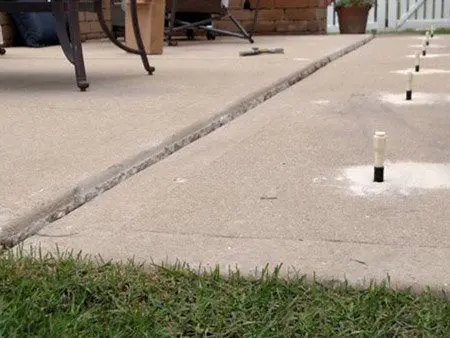
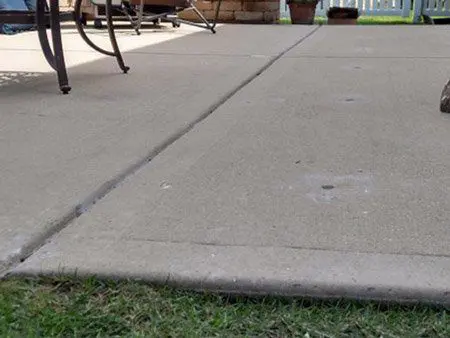
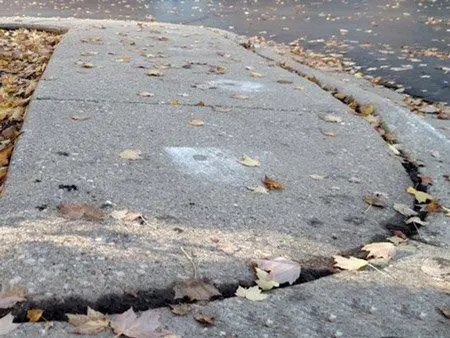
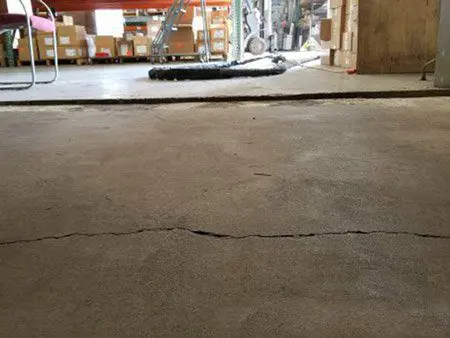
Driveways, walkways, patios, garage aprons, and commercial slabs all move slightly as temperatures and moisture levels change. Open or failed joints give runoff a direct path below the concrete, where it can soften supporting soil and contribute to settlement.
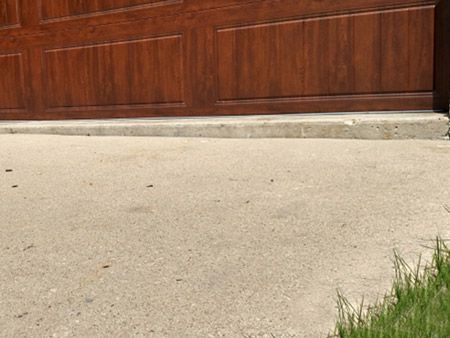
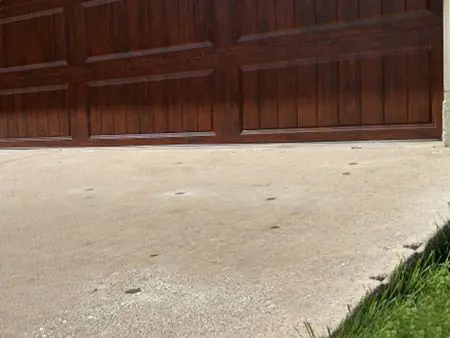
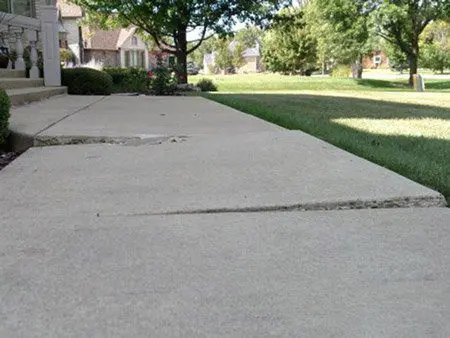
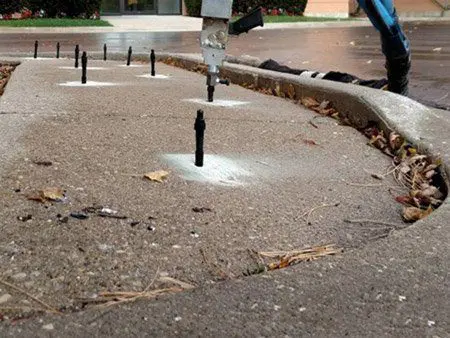
We remove loose material, prepare the joint, and install a flexible sealant suited to exterior concrete. If slabs are already uneven, we can also evaluate whether concrete raising should happen before new caulk is installed.
Caulking for Lincolnshire Concrete and Drainage Conditions
Lincolnshire includes established neighborhoods, corporate campuses, retail properties, and paved areas near the Des Plaines River watershed. Roof runoff, snowmelt, and freeze-thaw cycles can repeatedly wet the soil beside concrete. Sealing working joints helps limit water entry while preserving the space slabs need to expand and contract.
The Estimate Guard Promise: Best Price. Best Warranty. Guaranteed. With Acme’s Estimate Guard, you never have to worry about overpaying for professional concrete raising. We guarantee a better price and a better warranty than any competitor—so you get the best overall value every time. It’s our commitment to fair pricing, quality workmanship, and long-lasting results.
Frequently Asked Questions
When should concrete joints be recaulked?
Recaulking is appropriate when the existing sealant is split, loose, missing, or no longer bonded to both sides of the joint. Exposed filler and soil are also signs that the joint should be inspected.
Can caulking stop a slab from sinking?
Caulk limits water and debris entering a joint, but it does not lift settled concrete or rebuild lost support. Uneven slabs should be evaluated for raising before the joint is resealed.
Why is joint preparation important?
Sealant needs a clean, properly shaped joint to bond and move as intended. Dirt, old caulk, moisture, and loose concrete can shorten the life of a new application.
Can driveway and sidewalk joints use the same sealant?
The right material depends on joint width, depth, traffic, exposure, and surrounding concrete. We select the application after looking at the actual joint conditions.
How soon can the area be used after caulking?
Cure time varies by product, temperature, and moisture. We provide site-specific guidance so foot or vehicle traffic does not disturb the fresh sealant.