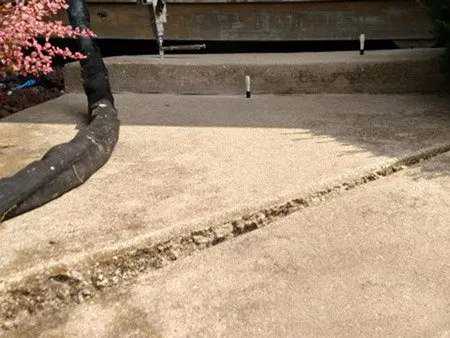
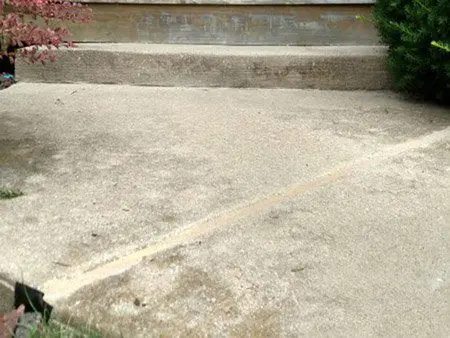
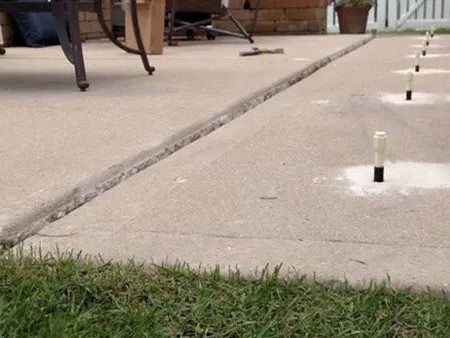
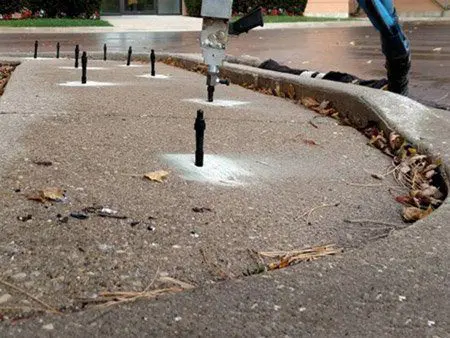
Lincolnshire properties may use walls to retain soil along the Des Plaines River corridor, ponds, drainage features, or landscaped water edges. Current, runoff, and changing moisture can carry fine soil through an open joint or crack, gradually creating voids behind the wall. Acme evaluates alignment, caps, materials, drainage, retained soil, nearby pavement, landscaping, and access before defining the repair.
The recommended scope may include sealing washout routes, filling voids, stabilizing backfill, restoring concrete, or reinforcing selected sections. Our seawall repair process is adjusted to the wall type, water exposure, failure pattern, surrounding property, and access rather than relying on a single solution.
Shoreline walls may connect directly to landscaped yards, commercial pavement, pathways, or drainage outlets. Effective repair planning considers how water reaches the wall, where retained soil is escaping, and which nearby improvements depend on that support.
The Estimate Guard Promise: Best Price. Best Warranty. Guaranteed. With Acme’s Estimate Guard, you never have to worry about overpaying for professional concrete raising. We guarantee a better price and a better warranty than any competitor—so you get the best overall value every time. It’s our commitment to fair pricing, quality workmanship, and long-lasting results.
Frequently Asked Questions
What signs indicate a Lincolnshire shoreline wall needs repair?
Look for leaning, separated joints, cracked caps, exposed soil, depressions behind the wall, fresh erosion, or sediment escaping through openings.
Are pond walls repaired differently from river seawalls?
Water movement and exposure differ, but both require evaluation of the wall, retained soil, drainage, materials, and access.
Can voids behind a wall be filled safely?
Some can be stabilized and filled, but the route that allowed soil to escape should also be addressed to reduce continued loss.
Does a crack always require structural reinforcement?
No. Crack location, width, movement, wall alignment, material condition, and pressure behind the wall determine the appropriate response.
How are nearby walks or parking areas protected?
The work plan identifies loads, access routes, edge support, staging, and protection needs before repair begins.