DEEP FOAMJECTION IN LONG GROVE

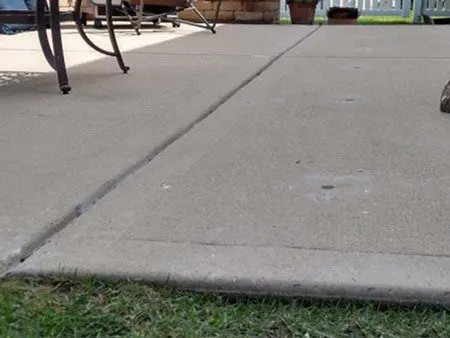
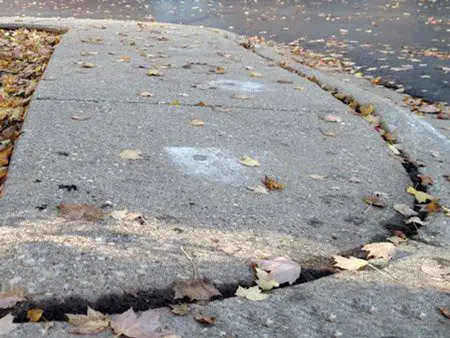
Fill deeper voids beneath concrete on larger wooded properties where long runoff paths, varied fill, and mature landscapes reduce support.
Highway worker

Deep Concrete Stabilization for Long Grove Properties

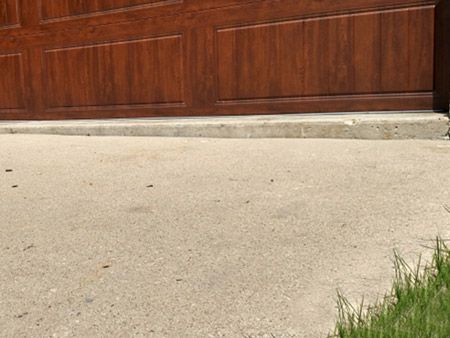
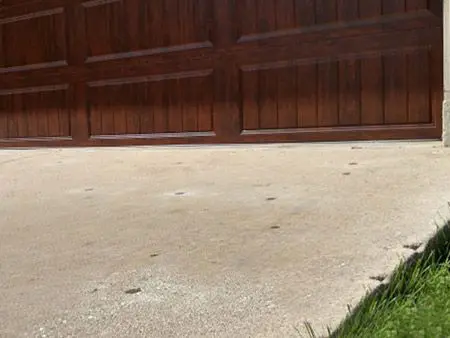
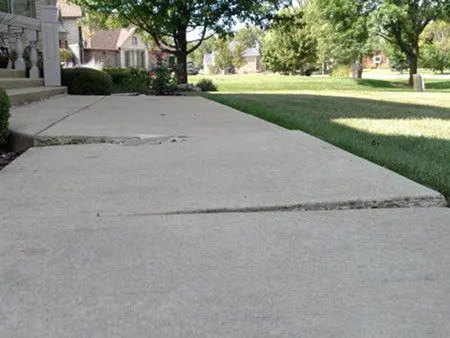
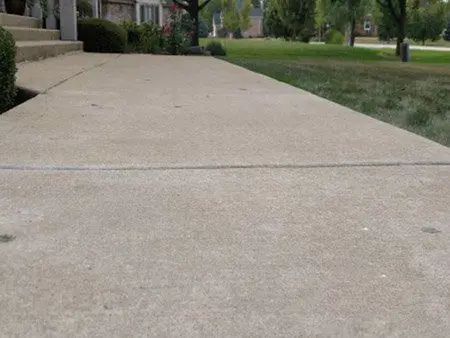
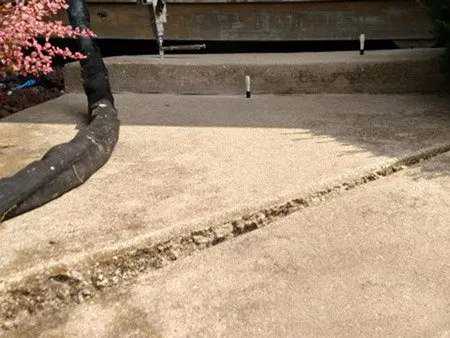
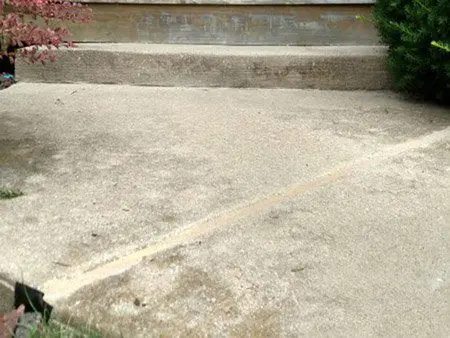
Long Grove properties often combine long driveways, wooded surroundings, ponds or swales, patios, garages, and concrete near additions or detached structures. Water moving across a grade, disturbed fill, or changes around mature roots can create deeper spaces beneath serviceable slabs. Acme evaluates the concrete, drainage, loading, access, nearby structures, and suspected void depth before planning Deep Foamjection.
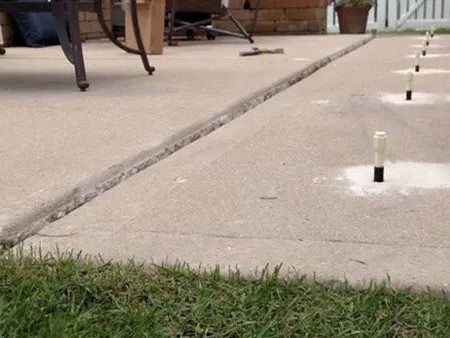
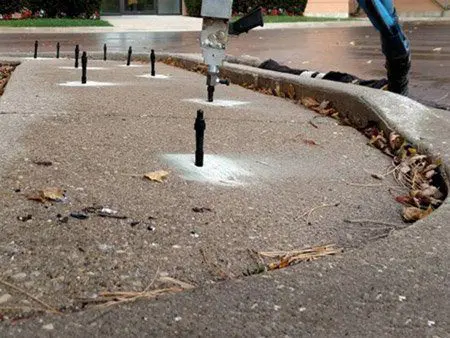
Expanding polyurethane is injected through small openings to fill targeted subsurface space and improve support. Material placement is coordinated around walls, edges, roots, and adjoining pavement. Active washout, unstable slopes, utility leaks, or badly fractured concrete require separate correction.

Polyurethane Concrete Raising is All We Do!

Why Long Grove Property Owners Choose Acme

Foamjection for Wooded Lots and Varied Fill

Concrete near mature landscapes and multiple structures can cross several support conditions. Our Deep Foamjection service targets confirmed voids while accounting for roots, drainage, access, and the surrounding grade.

Call today for a FREE Estimate!

The Estimate Guard Promise: Best Price. Best Warranty. Guaranteed. With Acme’s Estimate Guard, you never have to worry about overpaying for professional concrete raising. We guarantee a better price and a better warranty than any competitor—so you get the best overall value every time. It’s our commitment to fair pricing, quality workmanship, and long-lasting results.

Frequently Asked Questions

Can mature roots contribute to a deep void?

Roots and soil-moisture changes can affect support, but the actual void and slab movement must be evaluated before repair.
Potentially. Drainage pathways, water conditions, access, and the connection to the target void need review.
It may be, depending on foundation connections, utilities, drainage, slab condition, and safe injection access.
Treatment uses small openings in the slab, although equipment routes and immediate access still need planning.
Active water and erosion should be corrected because filling the existing void alone does not stop continuing loss.