CONCRETE LEVELING IN MCCULLOM LAKE

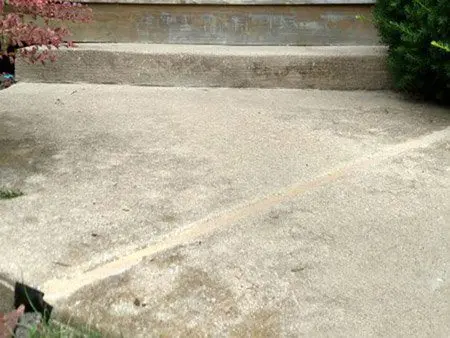
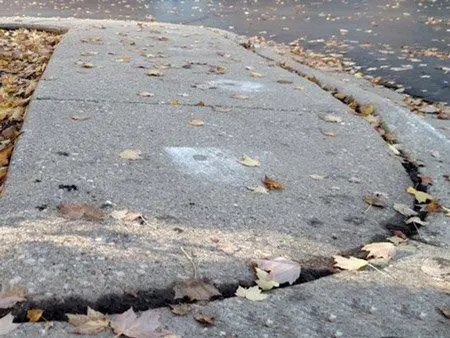
Raise settled driveways, walks, patios, garage aprons, steps, and landings around lake-area homes and changing grades.
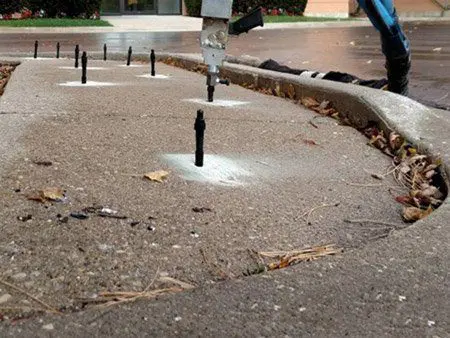
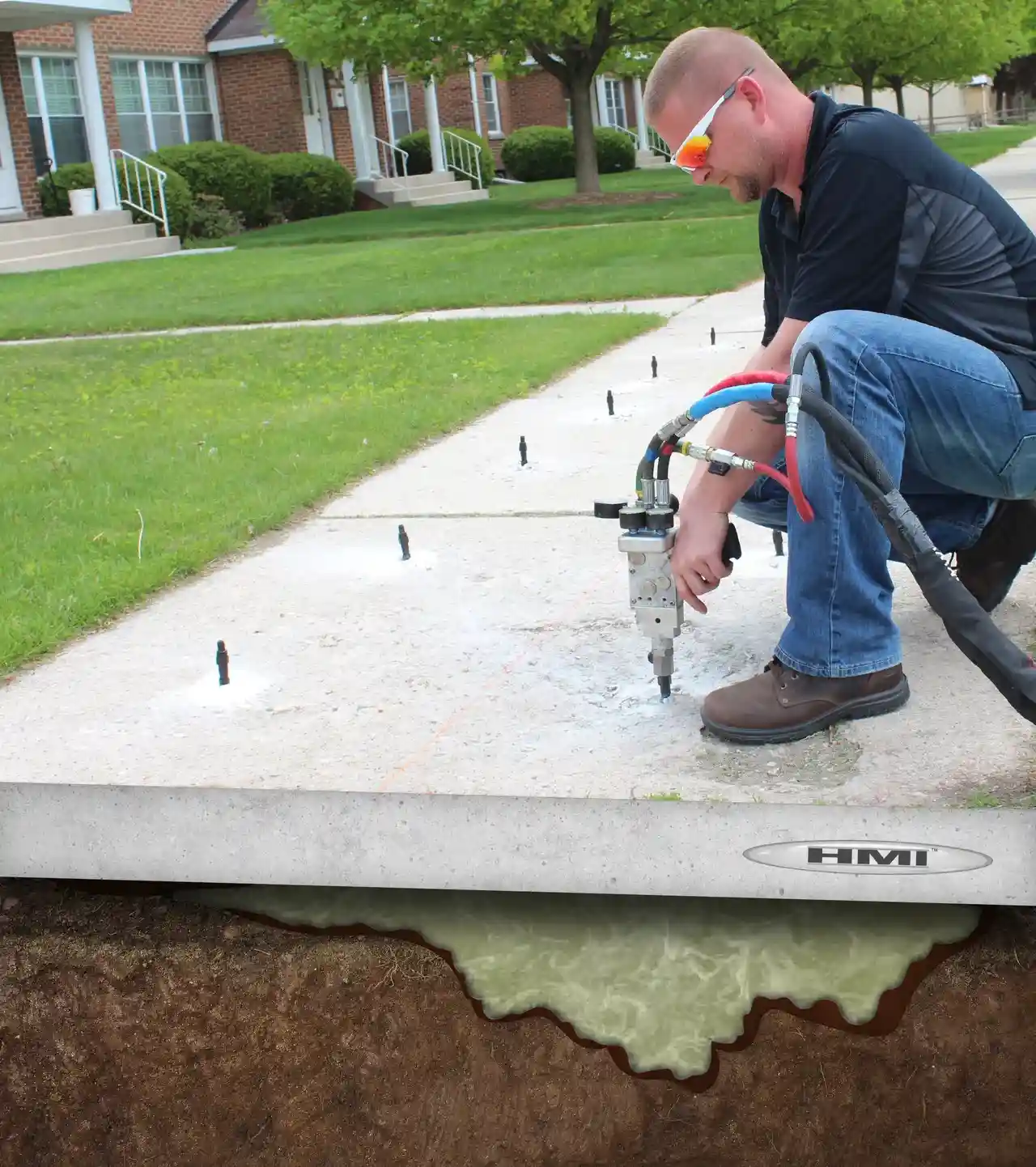
A man uses equipment to inject material beneath a concrete sidewalk for leveling, with an illustration showing the foam filling the gap below the slab—a typical process for Concrete Leveling in Bartlett.

Concrete Leveling for McCullom Lake Properties

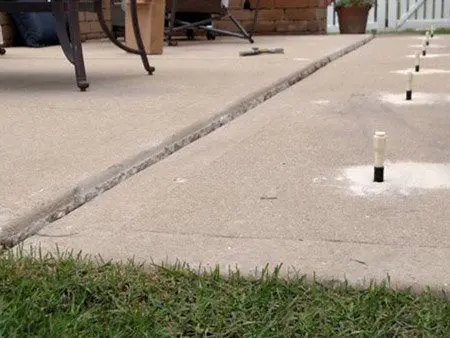
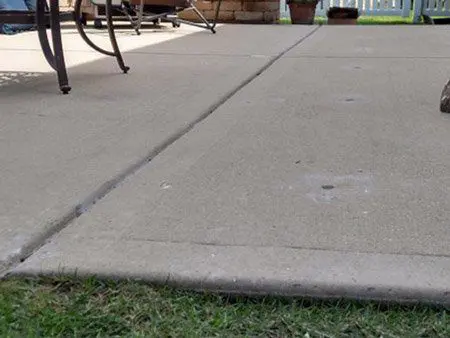
McCullom Lake homes can have concrete close to low yard areas, shoreline-influenced moisture, mature landscaping, and drainage routes that change through the year. Water reaching an exposed edge or weak fill can reduce support beneath a driveway, walk, or patio panel. We evaluate the slab and surrounding elevations before placing lightweight polyurethane for controlled lifting and support.
Polyurethane Concrete Raising is All We Do!

Why McCullom Lake Property Owners Choose Acme

Leveling Concrete Near Low Ground and Seasonal Moisture

A short path across a property can move from higher street-side grades to lower patios, yards, or drainage areas. Our concrete leveling process treats suitable panels individually while coordinating driveways, walks, garage aprons, steps, and outdoor living surfaces.

Call today for a FREE Estimate!

The Estimate Guard Promise: Best Price. Best Warranty. Guaranteed. With Acme’s Estimate Guard, you never have to worry about overpaying for professional concrete raising. We guarantee a better price and a better warranty than any competitor—so you get the best overall value every time. It’s our commitment to fair pricing, quality workmanship, and long-lasting results.

Frequently Asked Questions

Can lake-area moisture cause concrete to settle?

Changing moisture can weaken or move supporting soil, although fill, erosion, drainage, and edge conditions may also contribute.
Often, yes. The slab must be sound and surrounding elevations must allow a practical lift and drainage target.
Cured polyurethane is designed to remain in place, but active erosion or concentrated water should still be corrected.
Yes, when access and slab conditions allow. Injection locations are planned to limit disturbance around the surrounding area.
Replacement may be more appropriate when the slab is severely cracked, crumbling, heaved, or structurally compromised.