Protect the ground behind McCullom Lake shoreline walls by addressing voids and escaping soil. Stabilize problem areas with a repair plan based on wall condition and site access.
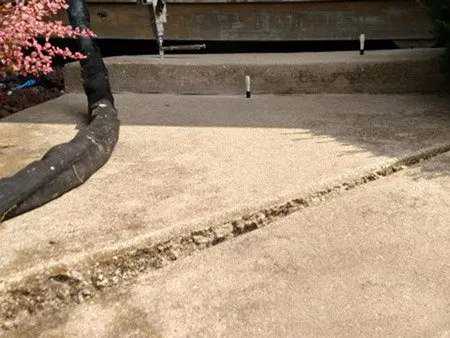
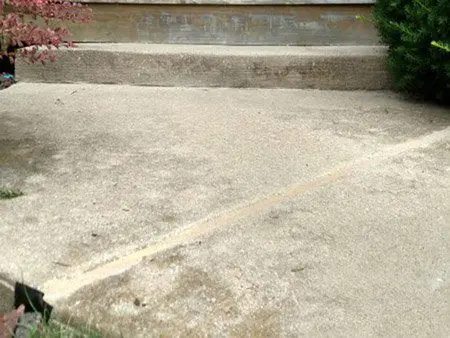
Homes around McCullom Lake experience a changing interface between landscaped yards, shoreline structures, runoff, and seasonal freeze-thaw cycles. Open joints, penetrations, or eroded areas can allow soil to migrate from behind a wall, creating depressions, voids, or weakened support.
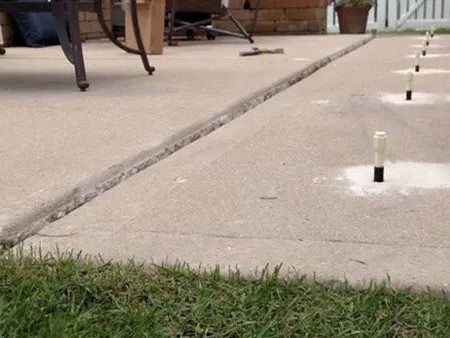
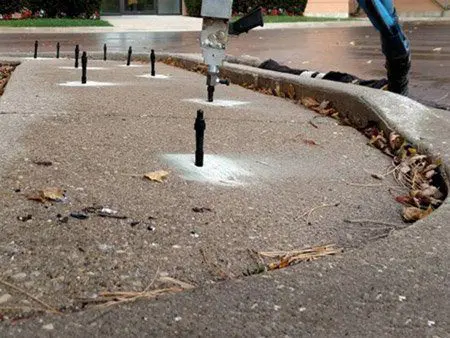
Our seawall repair approach begins by tracing where material is being lost and how water reaches the affected area. Depending on wall condition, polyurethane may be used to fill accessible voids and stabilize soil without excavating the entire shoreline.
McCullom Lake sites can differ in wall material, yard elevation, shoreline access, and proximity to docks or landscaping. We review those constraints before choosing injection locations, with the goal of supporting the retained soil while avoiding unnecessary disturbance to the surrounding property.
The Estimate Guard Promise: Best Price. Best Warranty. Guaranteed. With Acme’s Estimate Guard, you never have to worry about overpaying for professional concrete raising. We guarantee a better price and a better warranty than any competitor—so you get the best overall value every time. It’s our commitment to fair pricing, quality workmanship, and long-lasting results.
Frequently Asked Questions
What are common signs of soil loss behind a McCullom Lake seawall?
Sunken ground, holes near the wall, washed-out joints, loose backfill, or new depressions after rain can indicate soil migration. Early evaluation helps define the size and source of the void.
Can polyurethane fill voids behind every type of seawall?
Polyurethane can help in many accessible voids, but suitability depends on the wall material, openings, structural condition, and water path. Walls with major displacement or failure may require structural repair first.
Does seawall repair require excavating the entire yard?
Not always. Targeted injection can often reach voids through small access points, which may reduce excavation. The final approach depends on access and the extent of soil loss.
Will filling a void stop future erosion by itself?
Void filling restores missing support, but the entry path for water or escaping soil also needs attention. Drainage, joints, penetrations, and wall defects should be considered as part of the repair plan.
When should a McCullom Lake shoreline wall be evaluated?
Arrange an evaluation when depressions appear behind the wall, joints open, backfill washes away, or adjacent flatwork begins to settle. Prompt inspection can help keep a localized issue from expanding.