Concrete Leveling for Multifamily Properties in Northern Illinois
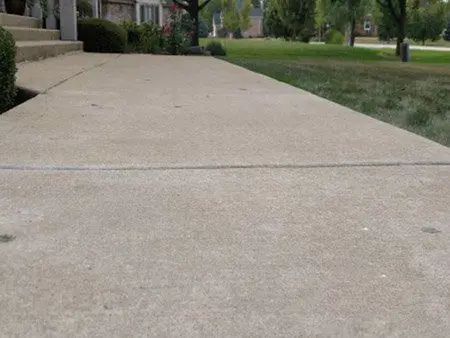
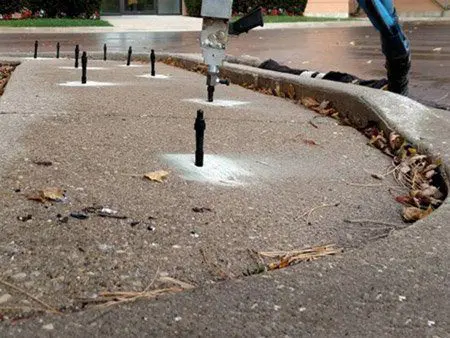
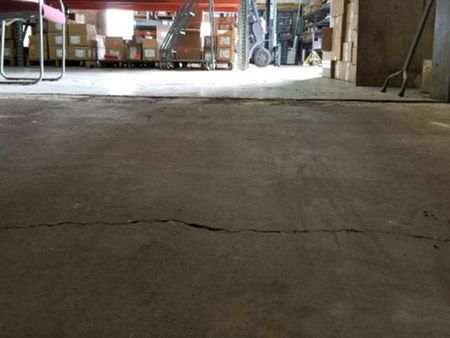
On a single-family lot, one settled sidewalk panel is an annoyance. Across a 200-unit community, settled concrete is a standing safety and liability exposure: dozens of walkways, building entrances, stairs, pool decks, and parking areas — every one of them walked daily by residents, guests, and delivery drivers. We raise and level settled concrete for multifamily properties across Northern Illinois, and we’ve built our process around the two things that matter most at scale: covering the whole property systematically, and staying out of your residents’ way while we do it.
Where settlement shows up on multifamily properties
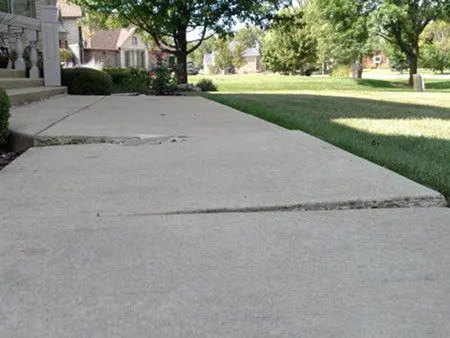
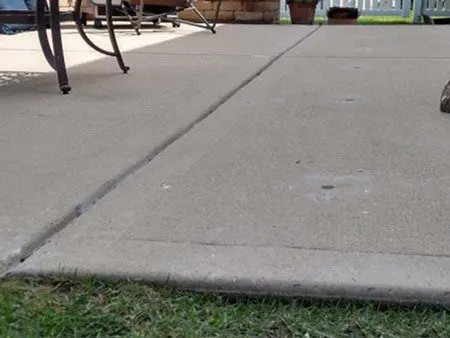
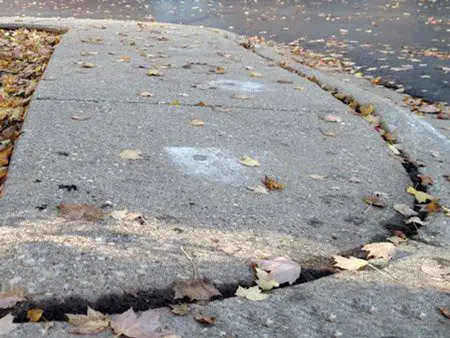
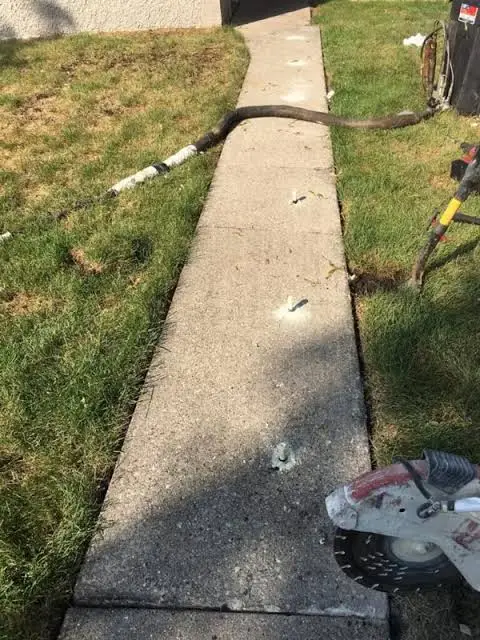
• Unit walkways and building entrances — the highest-traffic trip-hazard locations on the property
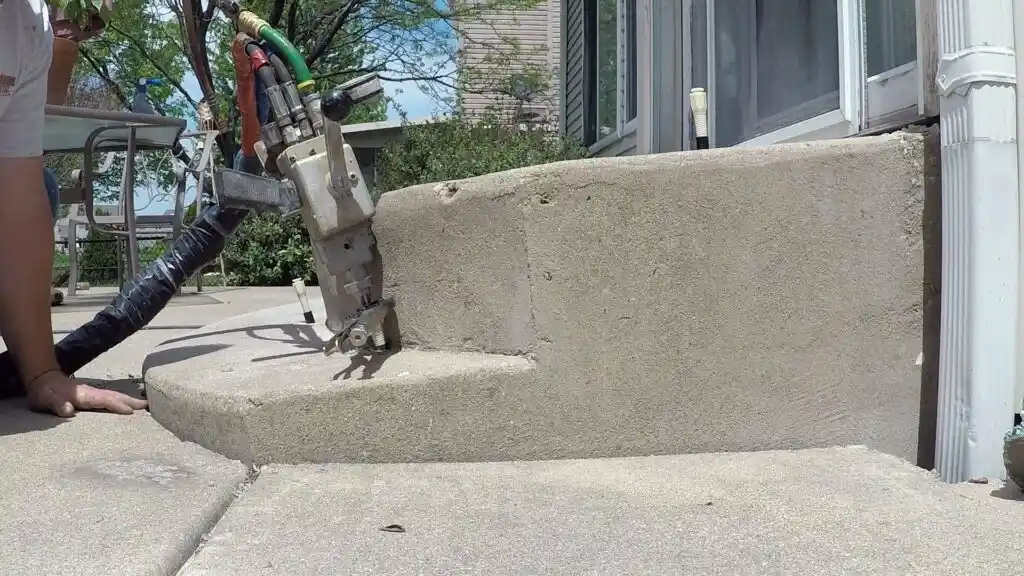
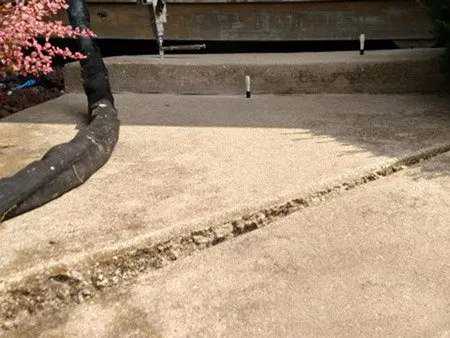
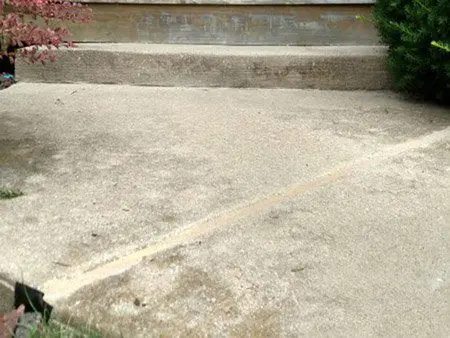
• Steps, stoops, and landings that have tilted or dropped away from thresholds
• Pool decks — settled panels near the water are both a hazard and a drainage problem
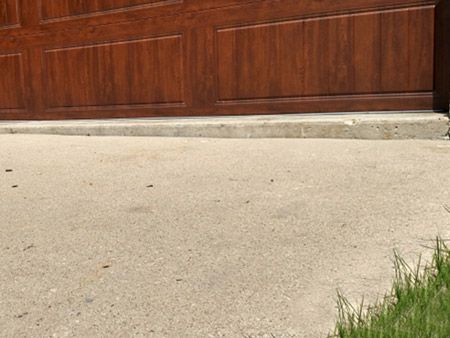
• Concrete parking areas, drive lanes, and dumpster pads
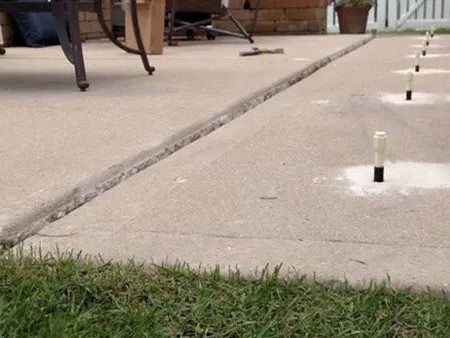
• Patios and common-area slabs
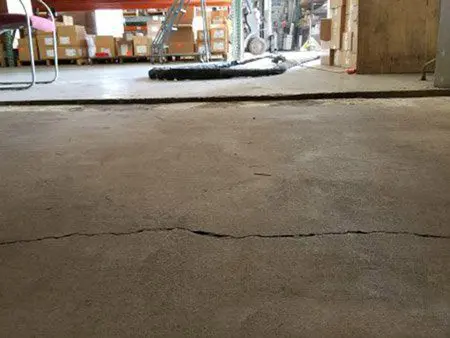
• Voids under any of the above, where downspout discharge or poor compaction has washed out the base
• Steps, stoops, and landings that have tilted or dropped away from thresholds
• Pool decks — settled panels near the water are both a hazard and a drainage problem
• Concrete parking areas, drive lanes, and dumpster pads
• Patios and common-area slabs
• Voids under any of the above, where downspout discharge or poor compaction has washed out the base
The budget case for lifting
Multifamily flatwork is exactly where lifting earns its keep. Replacing every settled panel across a large community is a six-figure conversation; raising the panels that are sound — and replacing only the ones that are genuinely failed — typically costs a fraction of that and gets done in a fraction of the time. New pours also sit unusable while they cure, which is a real problem at a building entrance. We’ll give you the honest split: what can be lifted, what can’t, and what each approach means for the budget.
Built for occupied communities
A property-wide approach, not a patch job
Fixing the one panel a resident complained about doesn’t change your risk profile — the next offset is thirty feet away. When we assess a multifamily property, we walk all of it: every walkway, every entrance, every slab. You get a mapped, itemized proposal that ranks locations by severity, so you can fix the genuine trip hazards immediately and schedule the rest across your capital plan. Owners get transparency; on-site staff get a punch list that actually ends.
Call today for a FREE Estimate!
If your community’s walkways are starting to catch toes — or your last property inspection flagged uneven concrete — have us walk the property and map it. The assessment is free and the proposal is built for how multifamily budgets actually work.
Call us at (815) 264-2200 or request a free estimate online. Acme Concrete Raising & Repair · 824 S Main Street, Ste 105, Crystal Lake, IL 60014.
Frequently Asked Questions
Do residents have to move their cars or stay off walkways?
Only briefly and only in the immediate work area. We phase work so alternate routes stay open, and lifted slabs are typically usable again the same day. Your team gets a schedule in advance for resident notices.
Can you work around pool season?
Yes — pool deck work is best scheduled before opening or after closing, and we’ll plan around your dates. Settled pool deck panels are worth prioritizing: wet, barefoot traffic plus a raised edge is the worst combination on the property.
We have both concrete and asphalt parking. Do you handle both?
We raise and level concrete. For concrete stalls, drive lanes, curbs, and dumpster pads we lift and stabilize; asphalt paving is a different trade and we’ll say so plainly rather than quote outside our lane.
Only briefly and only in the immediate work area. We phase work so alternate routes stay open, and lifted slabs are typically usable again the same day. Your team gets a schedule in advance for resident notices.
How often should a large property be re-assessed?
A walk-through every year or two keeps you ahead of it — Northern Illinois freeze-thaw cycles keep soil moving, and catching a quarter-inch offset early is far cheaper than dealing with a two-inch drop and a cracked panel later.