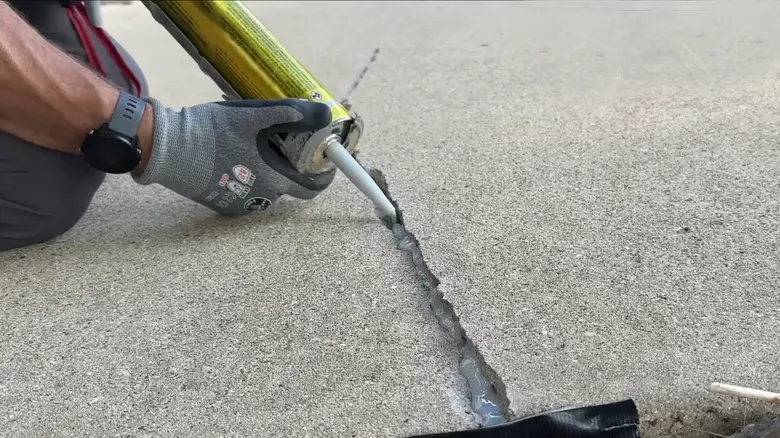
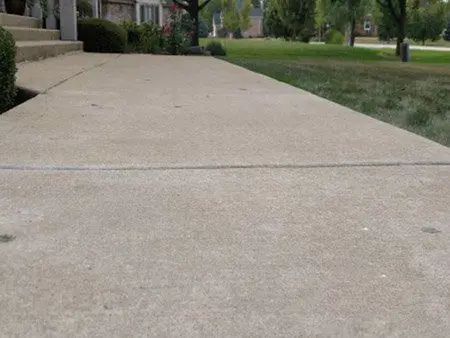
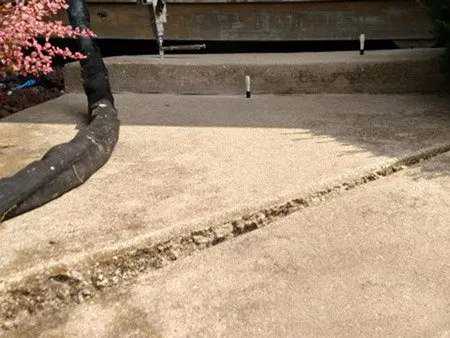
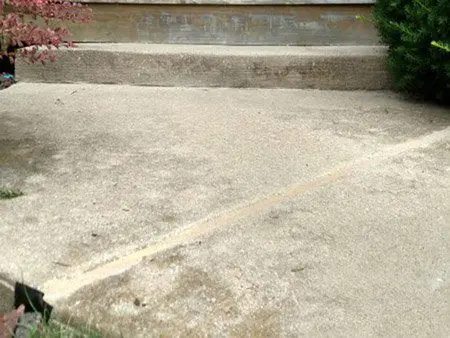
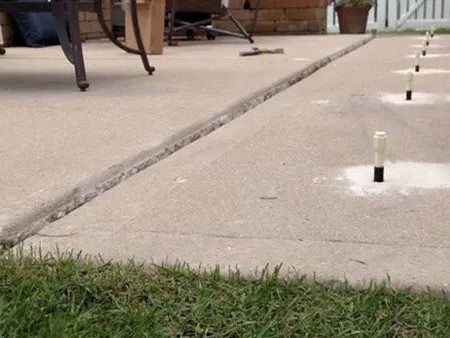
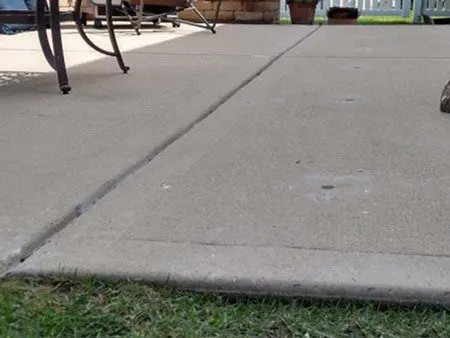
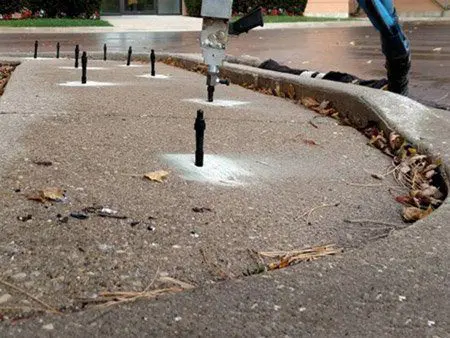
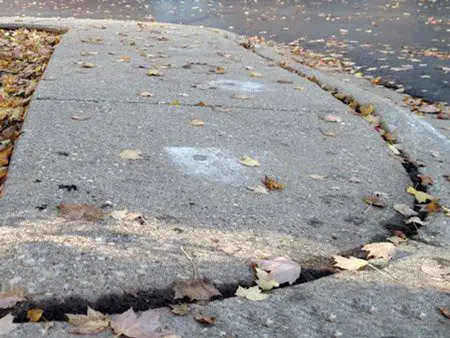
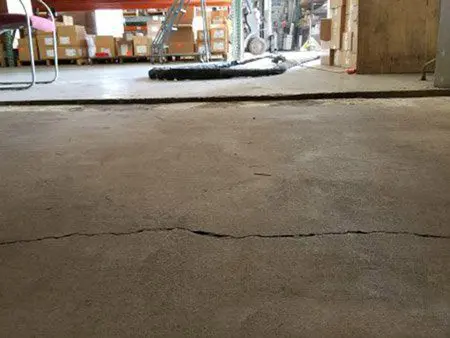
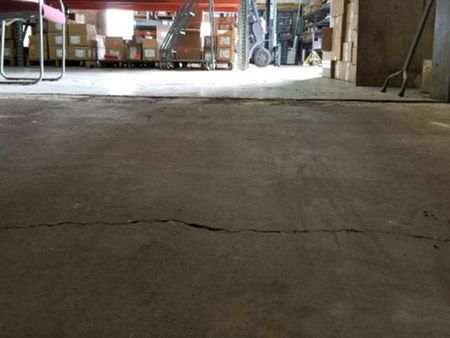
Palatine runoff moves across roofs, lawns, driveways, and sidewalks toward local lakes and the Salt Creek branches. When a concrete joint is open, that same water can carry fine soil into the gap and disturb the material supporting the slab. Professional concrete caulking closes the joint with a flexible seal after loose material and failed caulk are removed. It is a practical maintenance step for driveways, garage aprons, walks, patios, pool surrounds, and commercial pavement.
From established residential blocks to busy commercial pavement, Palatine concrete sees different runoff paths and traffic patterns. Our concrete caulking service targets the open joints where water and debris can reach the slab base.
The Estimate Guard Promise: Best Price. Best Warranty. Guaranteed. With Acme’s Estimate Guard, you never have to worry about overpaying for professional concrete raising. We guarantee a better price and a better warranty than any competitor—so you get the best overall value every time. It’s our commitment to fair pricing, quality workmanship, and long-lasting results.
Frequently Asked Questions
When should a Palatine driveway be recaulked?
Replace caulk when it has pulled away, split, hardened, or disappeared. Dirt, weeds, or standing water in the joint also indicate an open path.
Does neighborhood runoff affect concrete joints?
Yes. Water crossing pavement can carry sediment into unsealed joints. Caulking helps close that entry point but does not replace proper grading or drainage.
Can caulking stop water from reaching the slab base?
A properly prepared seal reduces water and fine material entering through the treated joint. Water may still reach concrete from edges, cracks, or poor drainage.
Should settled concrete be raised before it is caulked?
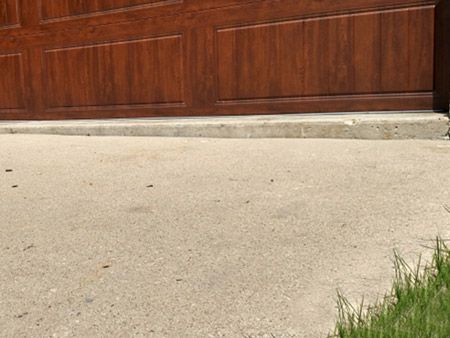
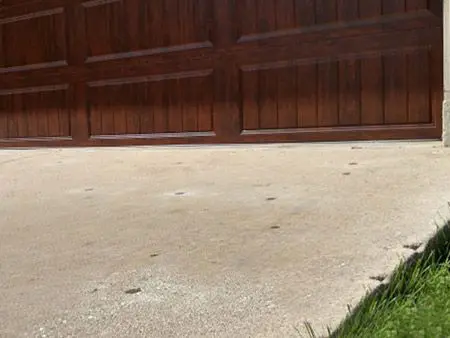
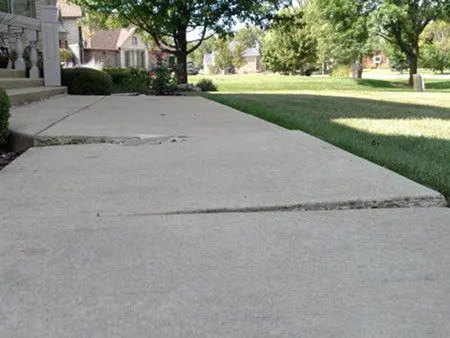
Usually. Correcting the slab position first helps create a more consistent joint and prevents fresh caulk from being stressed by a later lifting repair.
How soon can a newly sealed joint get wet?
Cure time varies with the material and weather. The crew will provide surface-specific guidance before leaving the Palatine property.